Archive: October 31, 2025

PDF

blackman’s guide to understanding the blackwoman pdf

UofBlack centers discussions around Black women, acknowledging those with African DNA, including mixed-race individuals, and prioritizing biological women’s perspectives.

This online space celebrates ass movement, tracing its roots through diverse dance forms from East, West Africa, the Caribbean, and the U.S.

The community also shares Black Friday deals and explores interests like pet preferences, specifically all-black dogs, and seeks relationship guidance.

Historical Context of Black Womanhood

Historically, Black women have occupied a unique and often marginalized position, shaped by the dual forces of racism and sexism. Their contributions, resilience, and strength have been foundational to communities despite facing systemic oppression throughout history.

The UofBlack subreddit, while focused on contemporary expressions, implicitly acknowledges this legacy. The celebration of dance – from Tanzanian baikoko to New Orleans bounce – represents a continuation of cultural traditions born from resistance and self-expression.

These movements, existing for over 200 years, are not merely aesthetic; they are embodiments of ancestral knowledge and a reclaiming of agency. Understanding this historical context is crucial for appreciating the multifaceted experiences of Black women today, and recognizing the depth within their cultural expressions.

The Significance of the “Blackman’s Guide”

The implied need for a “Blackman’s Guide” – though not explicitly detailed within the provided context – speaks to a perceived gap in understanding between Black men and women. The UofBlack community, centered around Black women, suggests a desire for respectful engagement and genuine connection.

While the subreddit prioritizes Black women’s experiences, acknowledging the need for improved communication and dismantling harmful stereotypes is implicit. The focus on “ass movement” and cultural dances can be interpreted as a celebration of Black female physicality and agency, requiring appreciation rather than objectification.

Any guide, therefore, must emphasize empathy, active listening, and a commitment to understanding the historical and societal factors shaping Black women’s lives, moving beyond superficial observations;

Cultural Nuances & Expressions

UofBlack highlights diverse dance traditions – from East and West Africa to the Caribbean and U.S. – as central expressions of Black womanhood and culture.

These movements embody history and agency.

Dance and Movement Traditions

Dance is a cornerstone of Black women’s cultural expression, deeply rooted in ancestral practices and evolving through diaspora. UofBlack recognizes this, celebrating traditions like Tanzania’s Baikoko, Somalia’s Niiko, Madagascar’s Kawitry, and Central Africa’s Mutwashi.

West African forms such as Mapouka, Sabar-Leumbeul, and Funana showcase rhythmic complexity and embodied storytelling. The Caribbean contributes “whining,” while the U.S. offers Twerking and New Orleans Bounce. These aren’t merely dances; they are historical narratives, expressions of joy, resistance, and feminine power.

Understanding these movements requires appreciating their origins and the cultural context they represent, acknowledging the artistry and significance within each form.

East African Dance Forms (Baikoko, Niiko, Kawitry)

East African dance traditions are vibrant expressions of culture, deeply interwoven with social life and storytelling. Baikoko from Tanzania is known for its energetic hip movements and playful interactions. Niiko, originating in Somalia, emphasizes graceful, fluid motions and often features intricate hand gestures.

Kawitry, from Madagascar, is characterized by its rhythmic footwork and dynamic energy, often performed during celebrations and ceremonies. These dances aren’t simply performances; they are living histories, conveying narratives of community, courtship, and spiritual connection.

Appreciating these forms requires recognizing their unique stylistic elements and the cultural contexts from which they emerge, honoring the artistry and heritage they represent.

West African Dance Forms (Mapouka, Sabar-Leumbeul, Funana)

West African dance is renowned for its powerful rhythms and grounded movements, reflecting a deep connection to the earth and ancestral spirits. Mapouka, from Côte d’Ivoire, is a highly energetic dance known for its rapid hip isolations and playful, teasing quality. Sabar-Leumbeul, originating in Senegal, features dynamic drumming and intricate footwork, often performed during celebrations and rituals.

Funana, from Cape Verde, is a lively partner dance characterized by its fast-paced tempo and close embrace. These dances are integral to West African culture, serving as forms of social interaction, storytelling, and spiritual expression.

Understanding their historical and cultural significance is crucial to appreciating their artistry and depth.

Caribbean & American Expressions (Whining, Twerking, Bounce)

Caribbean dance traditions heavily influence expressive movements like whining, a fluid hip rotation originating in genres like soca and dancehall. This showcases control and sensuality. Across the Atlantic, twerking, popularized in American hip-hop culture, involves a similar, yet distinct, rhythmic hip thrusting motion.

New Orleans bounce adds another layer, characterized by high-energy, fast-paced movements and a focus on percussive footwork. These expressions, often misunderstood, are rooted in cultural heritage and female empowerment.

They represent freedom of expression and a celebration of the body, evolving over time and reflecting diverse influences.

Beauty Standards & Hair Culture

Black beauty is multifaceted and historically challenged by Eurocentric standards. The Natural Hair Movement emerged as a powerful reclamation, celebrating textured hair in its authentic forms – coils, curls, and kinks. This shift embraces styles like afros, braids, and twists, rejecting the pressure to conform.

Protective styling techniques, such as weaves and wigs, are also vital, safeguarding natural hair from damage and promoting growth. These aren’t about hiding, but about care and versatility.

Understanding the significance of Black hair is crucial; it’s deeply tied to identity, culture, and self-expression, representing resilience and a celebration of heritage.

Natural Hair Movement & Styles

The Natural Hair Movement represents a profound shift in embracing and celebrating Black hair textures. It’s a rejection of societal pressures to straighten or alter hair to fit Eurocentric beauty standards, fostering self-love and acceptance.

Popular styles include the iconic Afro, symbolizing pride and liberation, and versatile braids – from cornrows to box braids – offering protection and artistic expression. Twists provide a similar protective benefit with a different aesthetic.

This movement isn’t merely about aesthetics; it’s a political statement, a cultural revival, and a powerful affirmation of Black identity and beauty in its natural state.

Protective Styling Techniques

Protective styling is crucial for maintaining Black hair health, minimizing manipulation, and promoting growth. These techniques shield the ends of the hair – the most fragile part – from damage caused by environmental factors and styling practices.

Common methods include braids (box braids, cornrows), twists (Senegalese twists, Marley twists), and weaves. These styles involve adding extensions or braiding the natural hair close to the scalp.

Proper installation and maintenance are key; tension should be minimal to avoid breakage. Regular moisturizing and scalp care are also essential while wearing protective styles, ensuring continued hair health and growth.

The Significance of Black Beauty

Black beauty is a powerful statement of self-love, resilience, and cultural pride, historically challenged by Eurocentric standards. Recognizing and celebrating the diverse range of Black features – skin tones, hair textures, and facial structures – is vital.

The Natural Hair Movement exemplifies this shift, encouraging embracing natural hair textures rather than conforming to straightened styles. This movement fosters self-acceptance and challenges societal norms.

Black beauty isn’t merely aesthetic; it’s a political act, a reclamation of identity, and a celebration of heritage. It’s about recognizing the inherent worth and beauty within the Black community, defying imposed limitations.

Navigating Relationships

Relationships within the UofBlack community often seek advice from sources like Amy Robach and T.J. Holmes via email for featured guidance.

Understanding communication styles and addressing stereotypes are key to fostering healthy connections and mutual respect within these dynamics.

Communication Styles & Expectations

Effective communication within relationships involving Black women, as discussed within the UofBlack community, often requires a nuanced approach. Directness is frequently valued, alongside an openness to expressing emotions authentically.

Expectations around vulnerability and emotional intelligence are high, with a desire for partners who can navigate complex feelings and offer supportive listening.

It’s crucial to avoid assumptions and actively seek clarification, recognizing that individual communication preferences will vary.

Seeking advice, like utilizing the “Ask Amy & T.J.” resource, highlights a willingness to learn and improve relational dynamics through open dialogue and understanding.

Respectful and honest exchanges are foundational for building trust and lasting connections.

Addressing Stereotypes & Misconceptions

The UofBlack subreddit actively resists the overlap with interracial spaces that perpetuate “racist raceplay,” signaling a commitment to dismantling harmful stereotypes surrounding Black women.

Common misconceptions often reduce Black women to hypersexualized tropes, ignoring their multifaceted identities and intellectual depth. Challenging these narratives requires conscious effort and a willingness to unlearn ingrained biases.

Recognizing the diversity within the community – acknowledging both mixed-race and biologically Black women – is vital.

Moving beyond superficial observations and engaging with authentic experiences fosters genuine understanding and respect, rejecting reductive portrayals.

Open dialogue and critical self-reflection are essential tools in combating prejudice and promoting equitable representation.

Understanding Emotional Intelligence

The UofBlack community, while focused on specific interests, implicitly highlights the need for emotional intelligence in navigating relationships and interactions with Black women.

Acknowledging the historical context of systemic racism and its impact on emotional expression is crucial. Black women often navigate societal pressures that necessitate resilience and emotional fortitude.

Effective communication requires recognizing and validating these experiences, moving beyond surface-level interactions.

Empathy, self-awareness, and the ability to regulate one’s own emotions are paramount in fostering healthy connections.

Seeking advice, as evidenced by the subreddit’s interest in relationship guidance, demonstrates a desire for deeper understanding and improved emotional connection.

Social & Political Realities

UofBlack’s existence acknowledges systemic racism’s impact, while the community’s focus on Black women implicitly recognizes intersectionality and leadership potential.

These realities shape experiences and perspectives.

The Impact of Systemic Racism

Systemic racism profoundly shapes the lived experiences of Black women, creating unique challenges and barriers across various facets of life. The UofBlack community, by centering Black women’s voices, implicitly acknowledges this pervasive reality.

Historical and ongoing discrimination manifests in disparities within education, employment, healthcare, and the legal system. These inequalities contribute to economic vulnerability and limited opportunities. Furthermore, the intersection of racism and sexism creates compounded disadvantages, impacting mental and emotional well-being.

Understanding these systemic forces is crucial for fostering empathy and dismantling oppressive structures. Recognizing the historical context and contemporary manifestations of racism is essential for building a more equitable and just society for Black women.

Intersectionality & Black Women

Intersectionality, a critical framework for understanding social identities, is particularly relevant when considering the experiences of Black women. As highlighted within the UofBlack community’s focus on Black women, their identities are shaped by the convergence of race, gender, and often other factors like class and sexual orientation.

This means Black women face unique forms of discrimination and marginalization that differ from those experienced by white women or Black men. Systemic biases operate in complex ways, creating layered disadvantages. Recognizing these intersecting oppressions is vital for accurate analysis.

Acknowledging intersectionality promotes a more nuanced and inclusive understanding of Black women’s lives, moving beyond simplistic categorizations and fostering genuine empathy and support.

Black Women in Leadership

Black women consistently demonstrate remarkable leadership qualities despite facing systemic barriers. While the UofBlack community primarily focuses on other aspects of Black womanhood, recognizing their leadership is crucial. Historically, they’ve been pivotal in social justice movements, community organizing, and various professional fields.

However, they often encounter the “concrete ceiling” – a unique set of obstacles stemming from both racial and gender biases. This includes underrepresentation in executive positions, limited access to mentorship, and the burden of navigating microaggressions.

Supporting Black women in leadership requires actively dismantling these barriers, championing their voices, and creating inclusive environments where their contributions are valued and celebrated.

Online Communities & Resources

UofBlack, a subreddit with over 112K subscribers, fosters discussion; Black Friday deal-sharing communities thrive, and forums offer relationship advice for various needs.

The UofBlack Subreddit & its Focus

UofBlack is a dedicated online community centered explicitly around Black women, defining membership by African DNA, welcoming mixed-race individuals, and exclusively including biological women. It distinguishes itself from broader “women of color” spaces, maintaining a focused demographic.

The subreddit’s core interest revolves around the celebration of Black female physicality, specifically “ass movement,” acknowledging a rich history spanning over two centuries with origins in diverse African and diasporic dance traditions. This includes forms like Tanzania’s Baikoko, Somalia’s Niiko, and the Caribbean’s Whining, alongside American expressions like Twerking and Bounce.

Notably, the community enforces verification for posting privileges and explicitly disavows any overlap with interracial subreddits engaging in potentially exploitative or racist content. It also features discussions on various topics, including Black Friday deals and relationship advice.

Black Friday Deal Sharing Communities

Within the broader online landscape, the UofBlack subreddit functions as a dedicated “Black Friday hub,” facilitating the sharing of unbeatable deals, insider tips, and exclusive offers amongst its members. This collaborative environment allows savvy shoppers to unite and exchange information on the hottest bargains available across the internet.

Historically, Crocs Black Friday sales, as discussed within the community, typically extend through the long weekend, culminating on Sunday night. A separate, one-day Cyber Monday event follows, often featuring similar price points but a different selection of footwear. These sales are generally accessible to customers in the U.S. and Canada.

This aspect of the community demonstrates a practical, consumer-focused side, alongside its core interests, showcasing a diverse range of topics discussed by its members.

Online Forums for Relationship Advice

The UofBlack community, while centered around Black women, also demonstrates an interest in navigating relationship dynamics. Members actively seek guidance and support, mirroring the broader trend of utilizing online platforms for relationship advice.

Specifically, the community references a dedicated email address – askamyandtj@yahoo.com – for submitting questions to Amy Robach and T.J; Holmes, suggesting a desire for expert perspectives on relationship challenges. This indicates a willingness to engage with external sources for advice.

This pursuit of relationship counsel highlights a desire for understanding and improvement within interpersonal connections, complementing the community’s focus on Black womanhood and cultural expression.

Specific Interests & Trends

UofBlack members share interests ranging from Black Friday deals to pet preferences, notably all-black dogs, alongside discussions about dance and relationship advice.

The community’s diverse focus reflects a broad spectrum of passions and shared experiences within its membership.

Pet Ownership & Breed Preferences (All-Black Dogs)

Within the UofBlack community, a notable trend emerges regarding pet ownership, specifically a preference for all-black dogs. A member expressed efforts to provide dog codes with concentrated, highly requested traits, prioritizing solid colors.

This individual is actively working to generate codes for all-black and all-white dogs, with yellow, pink, and brown colors planned for future development. This suggests a specific aesthetic appreciation within the group.

The focus on solid colors, particularly black, indicates a potential symbolic or visual preference, though the underlying reasons aren’t explicitly stated. It highlights a shared interest beyond the general topic of Black women.

This detail adds a unique layer to the community’s diverse range of interests and shared experiences.

Fashion & Style Influences

While the UofBlack subreddit primarily focuses on discussions surrounding Black women, its content implicitly touches upon fashion and style influences. The celebration of “ass movement” and dance traditions – Baikoko, Niiko, Kawitry, Mapouka, Sabar-Leumbeul, Funana, Whining, Twerking, and Bounce – inherently connects to clothing choices.

These dynamic expressions likely inspire specific aesthetics and preferences in attire, favoring styles that accentuate movement and body positivity. Though not explicitly detailed, the community’s emphasis on Black female physicality suggests a corresponding appreciation for fashion that complements it.

Further exploration could reveal specific designers, trends, or style icons favored within the group, reflecting a broader cultural influence.

The subreddit’s focus creates a space where style is organically interwoven with cultural expression.

Current Events & Social Commentary

The UofBlack subreddit, while centered on Black women, implicitly provides a platform for social commentary. Discussions around identity, body positivity (linked to dance traditions like Twerking and Whining), and even pet preferences (all-black dogs) can reflect broader societal conversations.

The community’s existence itself is a response to representation and the desire for a dedicated space. The sharing of Black Friday deals, while seemingly unrelated, highlights economic realities and consumer culture.

Requests for relationship advice, channeled through platforms like Amy & T.J.’s email, reveal contemporary challenges and expectations.

Though not a primary focus, the subreddit’s dynamic fosters a space for nuanced perspectives on current events impacting Black women.

Fostering Respect & Understanding

UofBlack encourages continuous learning about Black women, celebrating their diverse expressions—from dance to style—and fostering empathy within its online community.

Respectful engagement and open dialogue are vital for bridging gaps and appreciating the multifaceted experiences shared within the subreddit;

The Importance of Continuous Learning

Genuine understanding isn’t achieved through a single resource, but through dedicated, ongoing effort. The UofBlack community exemplifies this, constantly evolving through shared experiences and diverse perspectives on Black womanhood.

Exploring the historical and cultural nuances – from East and West African dance traditions like Mapouka and Baikoko, to Caribbean expressions like whining and American twerking – provides crucial context.

Furthermore, recognizing the significance of online spaces for deal-sharing (like Black Friday hubs) and relationship advice demonstrates a commitment to holistic understanding. Acknowledging preferences, such as interest in all-black dog breeds, reveals subtle cultural touchstones.

Continuous learning necessitates challenging preconceived notions and embracing the complexity inherent in individual experiences.

Building Bridges Through Empathy

Empathy forms the cornerstone of respectful interaction, demanding active listening and a willingness to understand perspectives different from your own. The UofBlack subreddit, while focused on Black women, highlights the importance of recognizing individual experiences within a shared cultural context.

Acknowledging the historical and systemic challenges faced by Black women – as evidenced by discussions within the community – is crucial. Appreciating the celebration of cultural expressions, like diverse dance forms, fosters connection.

Even seemingly unrelated interests, such as preferences for all-black dog breeds or participation in Black Friday deal-sharing, offer glimpses into values and priorities.

Genuine connection requires moving beyond stereotypes and embracing the multifaceted nature of Black womanhood.

Resources for Further Exploration

Expanding understanding requires actively seeking diverse sources of information. The UofBlack subreddit itself serves as a dynamic, albeit specific, starting point for engaging with contemporary Black female perspectives.

Exploring online forums dedicated to relationship advice, like those mentioned with Amy Robach and T.J. Holmes, can offer broader insights into communication and emotional intelligence.

While the subreddit focuses on particular interests – from dance traditions to pet preferences – these can act as entry points for deeper cultural exploration.

Remember that the community’s emphasis on “ass shaking” represents a specific cultural expression, not a comprehensive definition of Black womanhood.

Continued learning and open-mindedness are essential for fostering genuine respect and connection.


lean mean fat grilling machine manual

Lean Mean Fat Grilling Machine: A Comprehensive Guide (Updated 12/13/2025)

This guide details the iconic 1970s appliance, once lauded for safer, healthier chip cooking, offering a deep dive into its operation and legacy.

The Lean Mean Fat Grilling Machine (LMFGM) captivated 1970s Britain, promising a revolutionary approach to cooking, particularly chips. Marketed as a healthier alternative to deep frying, it aimed to reduce fat intake while delivering crispy results. This appliance quickly became a kitchen staple, fueled by enthusiastic advertising and a desire for modern convenience.

However, its popularity waned as newer technologies emerged. This guide revisits the LMFGM, exploring its design, functionality, and historical significance. We’ll delve into how it operated, its strengths and weaknesses, and why it remains a nostalgic icon for many.

Historical Context: The 1970s Kitchen Appliance Boom

The 1970s witnessed an explosion in kitchen appliance innovation, driven by post-war affluence and changing lifestyles. Consumers eagerly embraced labor-saving devices, seeking convenience and modernity. This era saw the rise of electric fryers, food processors, and, notably, the Lean Mean Fat Grilling Machine.

Marketing heavily emphasized health and safety, responding to growing consumer awareness. The LMFGM tapped into this trend, positioning itself as a superior alternative to traditional frying methods. This period’s focus on novelty and convenience paved the way for its initial success.

Understanding the Core Technology: Radiant Heat Grilling

The Lean Mean Fat Grilling Machine utilizes radiant heat, a cooking method employing infrared radiation to directly heat food. Unlike conventional frying, which relies on conductive heat transfer from oil, radiant heat cooks from the surface inwards.

This process aims to reduce fat absorption, as food doesn’t need to be submerged in oil. The heating elements, positioned above and below the grilling surface, emit intense heat, quickly cooking food and creating a crispy exterior. This technology was marketed as a healthier alternative.

Key Components and Their Functions

The Lean Mean Fat Grilling Machine comprises several key parts working in unison. These include the top and bottom heating elements, responsible for generating radiant heat. A crucial component is the grilling surface itself, designed for optimal heat distribution.

Below lies the drip tray, collecting rendered fat during cooking – a central feature of its design. The adjustable timer and temperature controls allow for customized cooking. Finally, the housing provides insulation and structural support, ensuring safe operation.

The Grilling Surface: Material and Design

The grilling surface is typically constructed from a durable, heat-conductive metal, often chrome-plated steel. This material ensures even heat distribution for consistent cooking results. Its design features a slightly angled surface, facilitating fat runoff into the drip tray below;

The surface isn’t non-stick, requiring minimal oil for some foods, but careful cleaning is essential. Grooves or ridges may be present to elevate food, preventing it from sitting directly in rendered fat.

The Drip Tray: Fat Management System

The drip tray is a crucial component, designed to collect rendered fat during the grilling process. Typically made of metal, it slides out for easy emptying and cleaning – a vital step given the significant fat produced.

Regular emptying prevents overflow and potential fire hazards. The system’s effectiveness was a key selling point, promising healthier cooking by separating food from excess fat. Proper tray maintenance is essential for optimal performance.

Setting Up Your Lean Mean Fat Grilling Machine

Before first use, carefully unpack your Lean Mean Fat Grilling Machine and inspect all components. Ensure the drip tray is correctly positioned beneath the grilling surface. Place the unit on a stable, heat-resistant surface, away from flammable materials.

Familiarize yourself with the power cord and ensure it’s undamaged. Initial setup is straightforward, but proper placement and component check are vital for safe operation and longevity.

Initial Cleaning and Preparation

Before the inaugural cook, thoroughly clean all removable parts – the grilling surface and drip tray – with warm, soapy water. Rinse completely and dry before reassembling. A light wipe-down of the machine’s exterior is also recommended.

This initial cleaning removes any manufacturing residues and ensures a hygienic cooking environment. Do not immerse the main unit in water. Proper preparation guarantees optimal performance and flavor from the start.

Power Requirements and Safety Precautions

The Lean Mean Fat Grilling Machine operates on standard 120V AC power. Always ensure the machine is properly grounded. Never operate with a damaged cord or plug.

Exercise extreme caution during operation as surfaces become very hot. Avoid touching hot components and always use oven mitts. Keep the appliance away from flammable materials. Unplug when not in use and allow to cool completely before cleaning.

Operating Instructions: A Step-by-Step Guide

First, ensure the drip tray is securely in place. Place food directly onto the grilling surface, avoiding overcrowding. Close the lid firmly, but not forcefully.

Set the desired cooking time – refer to the cooking times chart for guidance. Monitor the machine during operation. Once finished, unplug and allow to cool before opening. Carefully remove food using tongs or a spatula, avoiding contact with hot surfaces.

Preheating the Machine for Optimal Results

Optimal performance requires proper preheating. Plug in the Lean Mean Fat Grilling Machine and allow it to heat for approximately 5-7 minutes.

The machine will reach the ideal temperature when the indicator light illuminates, signaling readiness. Preheating ensures even cooking and crispy results, particularly crucial for achieving perfectly cooked chips. Avoid placing food onto a cold surface, as this can lead to sticking and uneven browning.

Cooking Times for Common Foods (Chips, Bacon, Steaks)

Achieving desired results depends on food type and thickness. For chips, cook for 8-12 minutes, shaking halfway through for even browning. Bacon requires 6-10 minutes, depending on desired crispness.

Steaks (approximately ½ inch thick) typically need 4-6 minutes per side for medium-rare. Always check internal temperatures to ensure food safety. These times are guidelines; adjust based on your preference and the machine’s performance.

Food Safety Considerations

Prioritizing food safety is crucial when using the Lean Mean Fat Grilling Machine. Ensure all foods reach a safe internal temperature to eliminate harmful bacteria. Utilize a food thermometer for accurate readings – particularly important for meats.

Prevent cross-contamination by thoroughly cleaning the grilling surface between cooking different food types. Never place cooked food back onto a surface that previously held raw items.

Achieving Safe Internal Temperatures

Ensuring proper internal temperatures is paramount for safe consumption. Poultry requires 165°F (74°C), ground meats 160°F (71°C), and steaks, roasts, and pork chops a minimum of 145°F (63°C) followed by a three-minute rest.

Due to the machine’s unique radiant heat, temperatures may vary; frequent thermometer checks are vital. Always verify doneness in the thickest part of the food, avoiding bone contact for accurate readings.

Preventing Cross-Contamination

Maintaining hygiene is crucial when using your Lean Mean Fat Grilling Machine. Always thoroughly clean the grilling surface after each use, especially when switching between raw meats, poultry, and pre-cooked foods.

Utilize separate utensils for handling raw and cooked items. Never place cooked food back onto a plate that previously held raw ingredients. Proper sanitation minimizes bacterial spread and ensures food safety.

Cleaning and Maintenance

Regular cleaning extends the life of your Lean Mean Fat Grilling Machine. After each use, disconnect the power and allow the unit to cool completely. Remove the drip tray and discard accumulated fat – never pour it down the drain!

Wipe the grilling surface with a damp cloth or sponge. For stubborn residue, a mild detergent can be used. Periodic deep cleaning, including descaling, is recommended for optimal performance.

Daily Cleaning Procedures

Consistent daily cleaning prevents fat buildup and ensures optimal grilling. Always unplug the machine and let it cool before starting. Carefully remove the drip tray, disposing of the collected fat responsibly – avoid drains! Wipe the grilling surface with a warm, damp cloth, removing any food particles.

For light residue, water is sufficient; a mild detergent can tackle tougher spots. Ensure the surface is dry before storing.

Deep Cleaning and Descaling

Periodic deep cleaning removes stubborn grease and mineral deposits. After cooling and unplugging, disassemble removable parts – drip tray, grilling surface. Soak these in hot, soapy water. For the grilling surface, a paste of baking soda and water can loosen baked-on residue.

Descale by wiping with a vinegar solution, then rinsing thoroughly. Ensure all parts are completely dry before reassembly.

Troubleshooting Common Issues

If the machine doesn’t heat, check the power connection and ensure the thermostat is set correctly. Excessive smoke often indicates excessive fat buildup; a thorough cleaning is required. A burning smell could signal food residue – clean immediately.

If chips aren’t crisping, preheating may be insufficient, or the grilling surface isn’t clean. Always prioritize safety and unplug before inspecting.

Machine Not Heating Up

If your Lean Mean Fat Grilling Machine fails to heat, first verify the power cord is securely plugged into a functioning outlet. Next, inspect the thermostat dial, ensuring it’s set above the ‘off’ position and to the desired temperature.

A faulty thermostat or heating element could be the cause; professional repair might be necessary. Always unplug the machine before any inspection!

Excessive Smoke During Operation

Excessive smoke typically indicates a buildup of fat in the drip tray or on the grilling surface. Immediately unplug the machine and allow it to cool completely before cleaning. Ensure the drip tray is emptied after each use to prevent overflow and burning.

Food residue also contributes; thorough cleaning is vital. Avoid cooking excessively fatty foods.

Recipes and Cooking Ideas

While famed for chips, the Lean Mean Fat Grilling Machine offers surprising versatility! Begin with classic chip recipes – thinly sliced potatoes, lightly seasoned, grilled to golden perfection. Experiment with bacon for crispy results, or lean steak slices for a quick, flavorful meal.

Remember to adjust cooking times based on food thickness and desired doneness. Explore beyond the basics!

Classic Chip Recipes

The Lean Mean Fat Grilling Machine truly shines with chip preparation! For traditional results, slice potatoes thinly – around 1/8 inch – and soak in cold water to remove excess starch. Pat completely dry before lightly seasoning with salt and pepper.

Arrange chips in a single layer on the grilling surface and cook until golden brown, flipping halfway through. Experiment with paprika or garlic powder for added flavor!

Beyond Chips: Exploring Other Culinary Uses

Don’t limit your Lean Mean Fat Grilling Machine to just chips! This versatile appliance excels at cooking bacon to crispy perfection, rendering excess fat effectively. Thinly sliced meats, like chicken or turkey, also cook quickly and evenly.

Consider grilling vegetables – zucchini, peppers, and onions are fantastic choices. Remember to adjust cooking times based on food thickness and desired doneness for optimal results!

Comparing the Lean Mean Fat Grilling Machine to Modern Alternatives

Modern air fryers offer similar convenience but utilize circulating hot air, differing from the Lean Mean Fat Grilling Machine’s radiant heat. While air fryers often require less fat, the grilling machine’s drip tray actively manages and removes rendered fat during cooking.

Both aim for healthier results, but the original focused on fat reduction through drainage, a key selling point in its era.

Air Fryers vs. Lean Mean Fat Grilling Machines

Air fryers employ rapid air circulation for a crispy finish, needing minimal oil, while the Lean Mean Fat Grilling Machine utilizes radiant heat and actively drains rendered fat. The older machine’s design prioritized fat removal via its drip tray, a core feature for health-conscious consumers of the 1970s.

Air fryers are generally more versatile, but the grilling machine offered a specific, focused function.

Health Considerations: Fat Reduction Comparison

The Lean Mean Fat Grilling Machine was marketed as a healthier alternative to deep frying, specifically due to its fat drainage system. By actively channeling rendered fat into the drip tray, it aimed to reduce overall fat content in cooked foods, particularly chips.

While effective for its time, modern air fryers often achieve comparable or superior fat reduction with added versatility and convenience.

Where to Find Replacement Parts and Accessories

Sourcing parts for the Lean Mean Fat Grilling Machine presents a challenge due to its age and discontinued production. Online auction sites, like eBay, frequently list used components – drip trays, heating elements, and occasionally, complete machines.

Specialist vintage appliance retailers may also stock parts or offer repair services. Thorough online searches using specific model numbers are crucial for locating compatible accessories.

Online Retailers and Specialist Suppliers

Finding dedicated online retailers for Lean Mean Fat Grilling Machine parts is difficult, given its vintage status. eBay remains the primary source, with numerous individual sellers offering used components and occasionally, full units.

Vintage appliance repair specialists sometimes stock parts or can fabricate replacements. Websites specializing in retro kitchenware occasionally list relevant items. Diligent searching and patience are key to success.

The Legacy of the Lean Mean Fat Grilling Machine

The Lean Mean Fat Grilling Machine represents a fascinating moment in kitchen appliance history, reflecting 1970s anxieties about healthier eating and safer cooking methods. Though ultimately superseded by modern alternatives, it holds a strong nostalgic appeal.

Its innovative, though imperfect, attempt at fat reduction paved the way for future technologies. Today, it’s a collectible item, sparking memories and conversations about a bygone era of kitchen innovation.

PDF

rational and irrational numbers worksheet with answers pdf

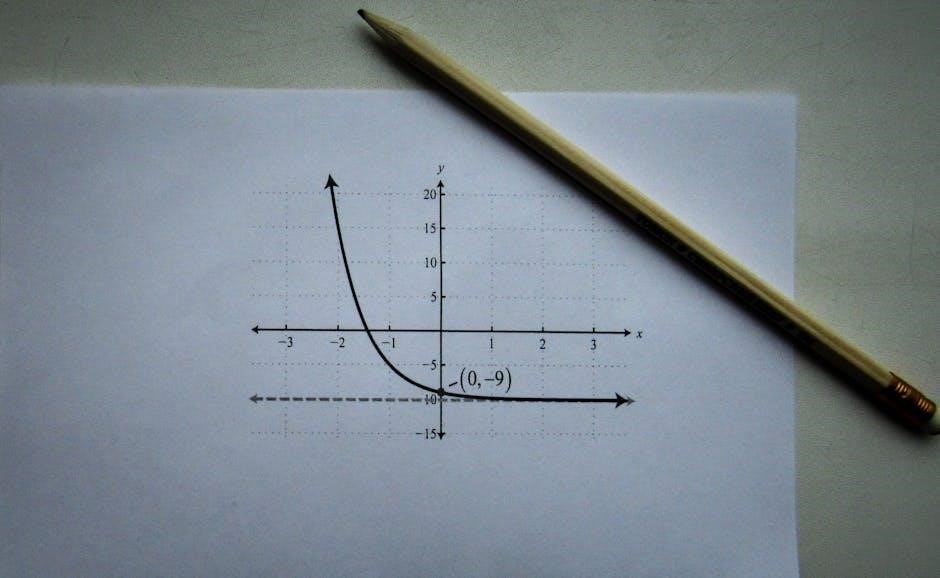
Rational and irrational numbers are fundamental concepts explored via worksheets, often available as PDF downloads․ These resources aid in classifying numbers and performing calculations․

Worksheets frequently include skill-based exercises, like determining if a number is rational or irrational, and solving problems with detailed answer keys․

What are Rational Numbers?

Rational numbers represent quantities expressible as a fraction p/q, where both p and q are integers, and q is not zero․ This encompasses all integers, terminating decimals, and repeating decimals․

Worksheets focusing on rational numbers often present values like 5/8, 1/4, and 0․09, requiring students to identify them as rational due to their fractional or decimal representation․

Understanding this definition is crucial when completing rational and irrational numbers worksheets, particularly those with answer keys providing step-by-step solutions․ These PDF resources help students practice converting between fractions and decimals, solidifying their grasp of this core mathematical concept․

The ability to recognize and work with rational numbers forms a foundation for more advanced mathematical operations․

Defining Irrational Numbers

Irrational numbers are those that cannot be expressed as a simple fraction p/q, where p and q are integers․ Their decimal representations are non-terminating and non-repeating, extending infinitely without establishing a recurring pattern․

Examples frequently encountered on rational and irrational numbers worksheets include π (Pi) and the square roots of non-perfect squares, like √6․ Students learn to identify these numbers as irrational, even when presented with approximate decimal values․

PDF worksheets with answer keys are invaluable for understanding this concept, offering detailed explanations of why certain numbers fall into this category․

These resources emphasize that while approximations can be used, the true value remains a non-repeating, non-terminating decimal, distinguishing it from rational numbers․

Identifying Rational Numbers

Rational numbers, explored in worksheets (often PDF format), can be expressed as fractions or decimals that either terminate or repeat․

Worksheets aid in recognizing these numbers through practice and detailed answer keys․

Fractions as Rational Numbers

Fractions fundamentally represent rational numbers, forming the basis of many rational number worksheets, frequently available as downloadable PDF files․ These worksheets emphasize that any number expressible as a ratio of two integers – p/q, where q isn’t zero – is definitively rational․

Exercises often involve identifying fractions and converting between fractional and decimal forms․ Skill Group A worksheets, for example, directly ask students to determine if numbers like 5/8 or 1/4 are rational․ The accompanying answer keys provide step-by-step solutions, clarifying the process of fraction identification․

Worksheets also include simplification exercises, ensuring students understand equivalent fractions and their rational nature․ Mastering fractions is crucial for building a solid foundation in understanding rational numbers and their properties, as demonstrated in Cuemath’s 8th-grade resources․

Terminating Decimals

Terminating decimals are a key component when classifying numbers as rational, and are frequently featured in rational and irrational numbers worksheets, often provided as PDF downloads for convenient practice․ These decimals, unlike their non-terminating counterparts, have a finite number of digits after the decimal point․

Worksheets emphasize that terminating decimals can always be expressed as fractions, solidifying their status as rational numbers․ For instance, 0․09, as seen in Skill Group A examples, is easily converted to 9/100․ The provided answer keys demonstrate this conversion process clearly․

Exercises often involve converting terminating decimals to fractions and vice versa, reinforcing the connection between these two forms․ Cuemath’s resources offer detailed solutions, helping students grasp the concept and confidently identify terminating decimals as rational․

Repeating Decimals

Repeating decimals, another crucial aspect of rational number identification, are prominently featured in rational and irrational numbers worksheets, commonly available in PDF format․ These decimals exhibit a pattern of digits that repeats infinitely after the decimal point․

Worksheets emphasize that despite their infinite nature, repeating decimals can be expressed as fractions, thus classifying them as rational․ The provided answer keys often demonstrate the conversion process, utilizing algebraic methods to represent the repeating pattern as a fraction․

Practice problems challenge students to identify repeating patterns and convert them to their fractional equivalent․ Cuemath’s 8th-grade worksheets, with detailed solutions, offer step-by-step guidance, ensuring students understand the underlying principles and can confidently classify these numbers․

Identifying Irrational Numbers

Irrational numbers, explored in PDF worksheets, cannot be expressed as simple fractions․ These worksheets focus on recognizing non-terminating, non-repeating decimals and square roots․

Answer keys detail how to classify these numbers, aiding student comprehension․

Non-Terminating, Non-Repeating Decimals

Worksheets dedicated to rational and irrational numbers heavily emphasize identifying decimals that neither terminate nor repeat․ These decimals represent irrational numbers, a core concept for 8th-grade math students․ PDF versions often provide examples like the decimal expansion of the square root of 2, which continues infinitely without establishing a repeating pattern․

Exercises typically involve determining whether a given decimal falls into this category, requiring students to analyze the decimal’s behavior․ The accompanying answer keys provide step-by-step explanations, clarifying why certain decimals are classified as irrational․ These resources help students understand that such numbers cannot be precisely expressed as a fraction p/q, where p and q are integers․

Practice problems often include approximations and comparisons, reinforcing the understanding of these unique decimal representations․ Detailed solutions within the worksheets ensure students grasp the underlying principles․

Square Roots of Non-Perfect Squares

Rational and irrational numbers worksheets, often available as PDF downloads, dedicate significant attention to square roots․ Specifically, they focus on distinguishing between square roots of perfect squares (yielding rational numbers) and those of non-perfect squares (resulting in irrational numbers)․

Exercises commonly present students with a list of square roots, requiring them to classify each as rational or irrational․ Answer keys provide detailed explanations, demonstrating how to determine if the radicand is a perfect square․ For example, √9 is rational, while √2 is irrational․

These worksheets emphasize that the square root of a non-perfect square will always produce a non-terminating, non-repeating decimal․ Students learn to recognize this characteristic and apply it to identify irrational numbers․ Practice problems reinforce this understanding, building a solid foundation in number classification․

The Number Pi (π)

Rational and irrational numbers worksheets, frequently offered as PDF resources, consistently highlight Pi (π) as a quintessential example of an irrational number․ Students learn that π represents the ratio of a circle’s circumference to its diameter, and its decimal representation never terminates or repeats․

Worksheet exercises often involve identifying π within a set of numbers or determining if calculations involving π will result in a rational or irrational outcome․ Answer keys clearly explain why π is irrational, emphasizing its infinite, non-repeating decimal expansion (approximately 3․14159․․․)․

These materials reinforce the concept that while approximations of π are useful, the true value cannot be expressed as a simple fraction․ Understanding π’s irrationality is crucial for grasping the broader distinction between rational and irrational numbers, and is often tested in practice problems․

Rational vs․ Irrational Number Classification

Worksheets, often in PDF format, help students classify numbers as rational or irrational, with answer keys providing step-by-step solutions for practice․

Worksheet Examples: Classifying Numbers

Worksheet examples for classifying numbers commonly present a series of values – such as 5/8, 1/4, π, 6, 0, 4/7, 5, 3․8, 9, and 1/16 – and task students with identifying each as either rational or irrational․

These exercises are designed to reinforce understanding of the definitions: rational numbers can be expressed as a fraction p/q, while irrational numbers cannot․ PDF versions often include a ‘Group A’ focused on simple identification and a ‘Group B’ involving calculations to determine rationality․

Crucially, worksheets with answers provide detailed solutions, demonstrating how to determine if a decimal terminates, repeats, or continues infinitely without repetition – key indicators for classification․ This allows students to self-assess and solidify their comprehension of these fundamental mathematical concepts․

Practice Problems: Determining Rationality

Practice problems on rational and irrational numbers worksheets often challenge students to evaluate expressions and classify the results․ For example, completing calculations and then determining if the solution is rational or irrational, requiring simplification of answers․

These worksheets, frequently available as PDF downloads, might present problems like simplifying square roots or evaluating expressions involving π․ Students must then apply their knowledge of terminating, repeating, and non-repeating decimals․

Worksheets with answers are invaluable, providing step-by-step solutions that demonstrate the process of determining rationality․ This includes showing how to convert decimals to fractions and identifying patterns in decimal expansions, reinforcing the core concepts and building confidence․

Operations with Rational Numbers

Worksheets focusing on rational numbers include addition, subtraction, multiplication, and division․ PDF versions often provide step-by-step solutions for practice․

These exercises build skills in simplifying fractions and applying arithmetic operations, with detailed answers for self-assessment․

Addition and Subtraction of Rational Numbers

Worksheets dedicated to adding and subtracting rational numbers are crucial for 8th-grade math proficiency․ These resources typically present problems involving fractions and decimals, requiring students to find common denominators or align decimal points before performing the operations․

Many PDF worksheets offer a range of difficulty levels, starting with simple additions and subtractions of positive rational numbers, and progressing to include negative numbers and mixed numbers․ A key component of these worksheets is the inclusion of detailed answer keys․ These keys don’t just provide the final answer, but often demonstrate the step-by-step process of finding a common denominator, converting mixed numbers to improper fractions, and simplifying the resulting expression․

Cuemath, for example, provides such worksheets with comprehensive solutions, enabling students to understand the underlying concepts and correct their mistakes effectively․ Practice problems reinforce these skills, building confidence and fluency in working with rational numbers․

Multiplication and Division of Rational Numbers

Worksheets focusing on the multiplication and division of rational numbers build upon the foundational skills of addition and subtraction․ These resources commonly present problems involving fractions and decimals, requiring students to multiply numerators and denominators (for multiplication) or invert the second fraction and multiply (for division)․

PDF formats often include exercises with varying complexities, starting with straightforward multiplications and divisions, and advancing to problems involving negative numbers and mixed numbers․ Crucially, these worksheets are accompanied by detailed answer keys․ These keys provide not only the final solution but also a breakdown of each step, including simplifying fractions and handling negative signs correctly;

Resources like Cuemath offer comprehensive worksheets with step-by-step solutions, allowing students to grasp the process and identify areas for improvement․ Consistent practice with these problems enhances fluency and solidifies understanding of rational number operations․

Operations Involving Irrational Numbers

Worksheets explore operations with irrational numbers, often showing how combining them with rational numbers yields irrational results, with PDF solutions provided․

Rational Number + Irrational Number

When a rational number is added to an irrational number, the result is always an irrational number․ This is a core concept reinforced through practice problems found in rational and irrational numbers worksheets, often available as downloadable PDF files․

These worksheets present various addition problems, such as 5 + π or 1/2 + √2, requiring students to understand that the rational component doesn’t “tame” the irrationality․ The PDF answer keys provide step-by-step solutions, demonstrating why the sum remains irrational․

Students learn that the decimal representation will be non-terminating and non-repeating due to the presence of the irrational number․ Worksheets often emphasize expressing the answer in its simplest form, acknowledging the irrational component’s inherent inability to be expressed as a finite or repeating decimal․

Irrational Number x Rational Number

Multiplying a rational number by an irrational number consistently yields an irrational number․ This principle is a key focus of rational and irrational numbers worksheets, commonly distributed as PDF documents for practice and assessment․

Worksheet examples include problems like 2 x √3 or (1/3) x π․ The PDF answer keys meticulously demonstrate that while the rational factor scales the irrational number, it doesn’t eliminate its irrationality․ The resulting product retains the non-terminating, non-repeating decimal characteristic․

Students are guided to understand that the rational factor simply changes the magnitude, not the fundamental nature, of the irrational number․ Worksheets often require simplifying the result, emphasizing that the final answer will always contain an irrational component․

Worksheet Focus: Rational and Irrational Numbers with Answers

Rational and irrational numbers worksheets, often in PDF format, provide practice classifying numbers and performing operations․ Detailed answer keys offer step-by-step solutions․

Cuemath Worksheets: Detailed Solutions

Cuemath provides 8th-grade rational and irrational numbers worksheets designed to enhance student understanding․ A significant advantage of these resources is the inclusion of a comprehensive answer key․

Unlike many standard worksheets, Cuemath’s materials offer detailed, step-by-step solutions․ This allows students to not only check their answers but also grasp the underlying processes involved in classifying numbers and performing calculations․

These solutions are particularly helpful for students encountering challenges with identifying rational versus irrational numbers, simplifying expressions, or understanding the properties of each type․ The worksheets cover a range of problem types, from basic identification to more complex calculations, all supported by clear and concise explanations․ Students can download these worksheets in PDF format for convenient practice․

Free PDF Downloadable Worksheets

Numerous online resources offer free PDF downloadable worksheets focusing on rational and irrational numbers․ These worksheets are invaluable tools for students seeking extra practice and reinforcement of key concepts․

These readily accessible materials typically include a variety of exercises, such as identifying rational and irrational numbers, classifying decimals, and simplifying square roots․ Many worksheets also incorporate problem-solving scenarios to encourage critical thinking․

The PDF format ensures easy printing and portability, allowing students to work offline at their own pace․ Importantly, many of these resources, like those from Cuemath, include answer keys, enabling self-assessment and independent learning․ These worksheets cater to different skill levels, providing a comprehensive learning experience․

Real-World Applications & Context (Al Khor & Al Thakhira)

While seemingly abstract, rational and irrational numbers underpin measurements used in Al Khor & Al Thakhira’s infrastructure and maritime activities, aided by practice worksheets․

Historical Significance of Al Thakhira

Al Thakhira’s history, rooted in the Al Muhannadi tribe and the Al Ibrahim family’s migration, showcases a reliance on practical measurements – inherently linked to rational and irrational numbers․ Historically, as a minor maritime anchorage sheltered by mangroves, precise calculations were crucial for navigation and trade․

Understanding distances, depths, and quantities of goods demanded a grasp of numerical concepts, even if not formally recognized as rational or irrational at the time․ Today, students can reinforce these foundational skills through worksheets, often available as PDFs with detailed solutions․ These resources help classify numbers and apply them to real-world scenarios, mirroring the practical needs of Al Thakhira’s past․

The strategic importance of the inlet necessitated accurate assessments, laying a subtle groundwork for mathematical understanding, now formalized in educational materials like downloadable worksheets․

Al Khor Municipality Overview

Al Khor, a major city in northeastern Qatar and the municipal seat, benefits from modern infrastructure reliant on precise calculations – a direct application of rational and irrational numbers․ City planning, construction, and resource management all demand numerical accuracy․

Educational resources, such as rational and irrational numbers worksheets, often available as PDF downloads, reinforce these underlying mathematical principles․ These worksheets provide skill-based practice, including classifying numbers and solving problems with step-by-step answer keys․

The municipality’s directory of services – shops, restaurants, and facilities – relies on address systems and measurements, further demonstrating the practical relevance of numerical concepts․ Students can solidify their understanding through downloadable practice materials, bridging theoretical knowledge with real-world applications within Al Khor and Al Thakhira․

PDF

electrical code book pdf

Electrical code books, often found as PDFs, are crucial guides for safe electrical installations. They detail regulations, ensuring projects meet safety standards and legal requirements.

What is an Electrical Code Book?

An electrical code book, frequently accessed as a PDF, is a comprehensive set of rules and regulations governing the safe installation of electrical wiring and equipment. These books aren’t merely suggestions; they are legally enforced standards designed to minimize risks like electrical fires and shocks. Think of it as a detailed instruction manual for anyone working with electricity, from seasoned professionals to diligent DIYers.

PDF versions offer portability and ease of access, allowing electricians to consult the code on job sites using tablets or smartphones. The content within covers everything from wiring methods and overcurrent protection to grounding, bonding, and specific requirements for hazardous locations. These books are regularly updated to reflect advancements in technology and evolving safety concerns, making the latest PDF edition essential for compliance. They ensure installations are not only functional but, most importantly, safe for occupants and structures.

Why are Electrical Code Books Important?

Electrical code books, particularly in PDF format, are paramount for safeguarding lives and property. Adherence to these codes drastically reduces the risk of electrical fires, which are a significant cause of structural damage and personal injury. Utilizing a current PDF version ensures compliance with local and national regulations, avoiding costly fines and legal repercussions for installers.

Beyond safety and legality, code books promote consistency and quality in electrical work. They establish a baseline standard, ensuring that installations are performed correctly and reliably. A readily available PDF allows for quick reference during projects, minimizing errors and rework. Furthermore, insurance companies often require code compliance, and proper documentation – easily facilitated by a searchable PDF – can be crucial during claims. Ultimately, investing in and understanding an electrical code book is an investment in safety, professionalism, and peace of mind.

Understanding the NEC (National Electrical Code)

The NEC, often accessed as a PDF, is the benchmark for safe electrical practices in the US. Its detailed regulations govern installation and inspection procedures.

NEC Updates and Editions

Accessing the NEC as a PDF requires awareness of its frequent updates. The National Electrical Code isn’t static; it’s revised every three years to reflect advancements in technology, new materials, and evolving safety concerns. These revisions are crucial for electricians, inspectors, and anyone involved in electrical work to maintain compliance and ensure safety.

Each new edition builds upon the previous one, incorporating changes through proposals submitted and vetted by technical committees. Understanding the edition year of your NEC PDF is paramount. Using an outdated version can lead to non-compliant installations and potential hazards. The 2023 edition is currently in effect, but staying informed about upcoming changes for the 2026 edition is vital for proactive preparation.

Many electrical code book PDFs will clearly state the edition they represent; Always verify this information before relying on the code within. Furthermore, supplemental information and errata may be available online to clarify specific sections or correct errors within a given edition’s PDF format.


Key Sections of the NEC

When navigating an electrical code book PDF, familiarity with its core sections is essential; Article 100 defines key terms, providing a foundational understanding for interpreting the code. Articles 200-240 cover wiring methods, outlining acceptable materials and installation techniques – a frequently referenced section within any PDF version.

Chapters 3 and 4 detail wiring materials and equipment, respectively, crucial for selecting appropriate components. Articles 300-392 address specific wiring methods like conduit and cable installations, often consulted when using a PDF for project planning. Sections 400-480 focus on equipment for general use, including receptacles, switches, and lighting fixtures.

Crucially, Articles 500-690 address special occupancies and hazardous locations, requiring careful attention when working in unique environments. A well-organized electrical code book PDF will allow quick access to these vital sections, facilitating safe and compliant electrical work. Understanding these key areas streamlines code research.

How to Navigate the NEC

Effectively using an electrical code book PDF requires understanding its structure. The NEC is organized by Articles, which are further divided into sections and subsections. Most PDF readers offer a robust search function – utilize keywords to quickly locate specific rules or requirements. Familiarize yourself with the Index, a comprehensive listing of topics and their corresponding Article numbers.

Many PDF versions include interactive features like clickable cross-references, allowing seamless navigation between related sections. Pay attention to Informational Notes (INF) and Examples, which clarify code provisions. Understanding the scope of each Article is vital; some apply broadly, while others are specific to certain applications.

Utilize the Table of Contents for a high-level overview. Bookmarking frequently used Articles within your electrical code book PDF saves time during repeated searches. Remember that the NEC is constantly evolving, so ensure you’re referencing the current edition.

Finding Electrical Code Book PDFs

Electrical code book PDFs are accessible through official sources and various online platforms, offering convenient access to vital safety regulations and installation guidelines.

Official NEC PDF Sources

Accessing the National Electrical Code (NEC) in PDF format directly from official sources guarantees authenticity and the most up-to-date information. The National Fire Protection Association (NFPA) is the primary authority and offers the NEC as a purchasable PDF through their official website, nfpa.org. This ensures compliance with copyright regulations and provides a legally sound document for professional use.

While free previews or sample sections might be available, a complete, current NEC PDF typically requires a purchase. Be cautious of websites offering full, free downloads, as these may be outdated, incomplete, or even contain malware. Purchasing directly from NFPA also grants access to any supplemental materials or updates released during the edition’s lifecycle.

Authorized distributors also sell official NEC PDFs, often mirroring the NFPA’s pricing and licensing terms. Always verify the distributor’s legitimacy before making a purchase to avoid counterfeit or illegally distributed copies. Utilizing official sources is paramount for ensuring safety and adherence to legal standards within electrical work.

Free vs. Paid Electrical Code PDFs

The availability of electrical code books in PDF format presents a choice between free and paid options, each with distinct advantages and drawbacks. Free PDFs, often older editions or partial excerpts, can be useful for basic understanding or historical reference, but they lack the current regulations vital for compliant installations.

Paid PDFs, typically obtained from the NFPA or authorized distributors, provide the most recent NEC edition, ensuring adherence to the latest safety standards. These versions include all updates, errata, and supplemental information, crucial for professional electricians and inspectors. The cost reflects the value of accurate, legally-sourced information.

Downloading unauthorized free PDFs carries risks, including outdated information, potential malware, and legal ramifications related to copyright infringement. While tempting, relying on unofficial sources can compromise safety and lead to costly corrections or legal penalties. Investing in a paid, official PDF guarantees reliability and peace of mind.

Legality of Downloading PDFs

The legality of downloading electrical code book PDFs is a critical consideration. The National Electrical Code (NEC) is copyrighted material owned by the National Fire Protection Association (NFPA). Downloading or distributing unauthorized copies constitutes copyright infringement, potentially leading to legal consequences, including fines and lawsuits.

Only PDFs purchased directly from the NFPA or authorized distributors are legally permissible. Websites offering “free” NEC PDFs are often operating illegally, providing pirated content. Utilizing these sources not only supports unlawful activity but also exposes users to risks like malware and inaccurate information.

Licensed professionals often have access to the NEC through their employers or professional organizations. Always verify the source’s legitimacy before downloading any electrical code PDF. Respecting copyright laws ensures the continued development and maintenance of this essential safety resource, protecting both individuals and the industry.

Using Electrical Code Book PDFs Effectively

Electrical code book PDFs become powerful tools with proper utilization of search functions, annotation features, and cross-referencing with related documentation for clarity.

Search Functionality in PDF Readers

Electrical code book PDFs, due to their extensive content, heavily rely on robust search functionality within PDF reader applications. Mastering this feature is paramount for efficient code research. Utilizing keyword searches – such as “GFCI,” “wiring methods,” or specific article numbers – allows electricians and inspectors to quickly pinpoint relevant sections within the document.

Advanced search options, often available, further refine results. These include searching for exact phrases, ignoring case sensitivity, and searching within specific date ranges if the PDF contains version history. Boolean operators (AND, OR, NOT) can combine search terms for more precise outcomes. For example, searching for “motor AND overload” will return results containing both terms.

Furthermore, many PDF readers allow searching within comments and annotations added to the document, which is incredibly useful if you’ve previously marked important sections. Regularly updating your PDF reader software ensures access to the latest search algorithms and performance improvements, maximizing the speed and accuracy of your code lookups.

Annotation and Highlighting Tools

Electrical code book PDFs become significantly more valuable when actively engaged with using annotation and highlighting tools. These features transform a static document into a dynamic study and reference resource. Highlighting key sections – like definitions, requirements, or exceptions – allows for quick visual identification during project planning or inspections.

Annotation tools, including sticky notes and text boxes, enable adding personal notes, interpretations, or reminders directly onto the PDF pages. This is particularly useful for complex code sections or areas prone to misinterpretation. Drawing tools can be used to illustrate diagrams or clarify specific details within tables or figures.

Consistent use of color-coding for highlights and annotations can further enhance organization. For instance, using yellow for frequently referenced sections, and red for critical safety requirements. Most PDF readers allow exporting annotations, creating a personalized study guide or sharing insights with colleagues. Regularly saving your annotated PDF ensures your work is preserved.

Cross-Referencing with Other Resources

While electrical code book PDFs are comprehensive, effective application often requires cross-referencing with supplementary materials. Manufacturer’s specifications are vital; PDFs detail general rules, but specific product installations demand adherence to manufacturer guidelines. Online forums and technical articles can offer interpretations of complex code sections, providing practical insights from experienced professionals.

Local amendments to the NEC, often available as separate PDF documents from local authorities, must be consulted alongside the national code. These amendments take precedence and address regional variations or specific local concerns. Utilizing online code directories and search tools can quickly locate relevant sections within the PDF based on keywords or subject matter.

Furthermore, referencing previous project documentation – approved plans, inspection reports – can provide valuable context and demonstrate compliance. Maintaining a digital library of related PDFs, easily searchable and accessible, streamlines the process and ensures a thorough understanding of all applicable regulations.

Specific Electrical Code Topics Found in PDFs

Electrical code book PDFs meticulously cover vital areas like wiring methods, overcurrent protection, grounding, and bonding—essential for safe and compliant electrical system installations.

Wiring Methods and Materials

Electrical code book PDFs dedicate significant sections to approved wiring methods and materials. These PDFs detail acceptable cable types – such as NM-B, THHN, and MC cable – specifying their permitted uses based on location and application.

You’ll find comprehensive guidance on conduit fill calculations, ensuring conductors aren’t overcrowded, which could lead to overheating and fire hazards. The documents outline proper support and securing requirements for various wiring installations, including spacing intervals and appropriate hardware.

Furthermore, PDF versions clarify rules for wiring in different environments – dry, damp, and wet locations – dictating the need for waterproof fittings and specialized cable types. They also address the use of flexible conduits and the proper techniques for making connections, emphasizing the importance of listed and labeled materials to guarantee safety and adherence to standards. Understanding these details within the PDF is paramount for any electrical professional.

Overcurrent Protection

Electrical code book PDFs extensively cover overcurrent protection, a critical aspect of electrical safety. These PDFs detail requirements for circuit breakers and fuses, specifying appropriate ampacity ratings based on conductor size and load calculations. They outline rules for selective coordination, ensuring that only the circuit breaker closest to the fault trips, minimizing disruption.

The documents clarify the application of Ground Fault Circuit Interrupters (GFCIs) and Arc Fault Circuit Interrupters (AFCIs), outlining where they are required to protect against electrical shock and fire hazards. PDF versions provide detailed tables for conductor ampacity adjustments based on ambient temperature and the number of current-carrying conductors in a raceway.

Furthermore, they address the proper sizing of overcurrent devices for motors and transformers, considering factors like locked-rotor current and service factor. A thorough understanding of these provisions within the PDF is essential for designing and installing safe and compliant electrical systems.

Grounding and Bonding

Electrical code book PDFs dedicate significant sections to grounding and bonding, fundamental for electrical safety and fault current paths. These PDFs detail requirements for grounding electrode systems, including rods, pipes, and concrete-encased electrodes, specifying installation depths and connection methods. They clarify bonding requirements for metallic enclosures, equipment, and structural steel, ensuring equipotentiality.

The documents outline rules for grounding conductors, differentiating between equipment grounding conductors and system grounding conductors, and specifying their sizing based on overcurrent device ratings. PDF versions provide guidance on bonding swimming pools, spas, and hot tubs, addressing unique safety concerns.

Furthermore, they address the proper grounding of separately derived systems, like transformers and generators. A comprehensive understanding of these provisions within the PDF is vital for minimizing shock hazards and ensuring effective fault clearing, ultimately protecting life and property.

Hazardous Locations

Electrical code book PDFs contain extensive chapters dedicated to installations within hazardous (classified) locations, where flammable gases, vapors, dusts, or fibers may be present. These PDFs meticulously define different hazard classifications – Class I, II, and III – based on the nature of the hazard, and detail corresponding equipment requirements.

They specify explosion-proof, intrinsically safe, and non-incendive equipment standards for each class and division/zone, crucial for preventing ignition sources. The PDF format allows for detailed examination of wiring methods permitted in these areas, including conduit requirements and sealing methods.

Understanding the specific rules outlined in these PDFs is paramount for ensuring worker safety and preventing catastrophic events. They also cover requirements for ventilation, purging, and other safety measures. Careful review of the PDF’s tables and diagrams is essential for compliant installations in potentially dangerous environments.

Alternatives to PDF Code Books

Electrical code book PDFs, while convenient, have alternatives like online platforms and mobile apps offering searchable databases and updated information for professionals.

Online Electrical Code Platforms

Moving beyond traditional electrical code book PDFs, numerous online platforms now provide interactive and frequently updated access to crucial electrical codes. These platforms often feature robust search capabilities, allowing users to quickly locate specific articles and sections within the National Electrical Code (NEC) or other relevant standards.

Many offer subscription-based access, providing benefits like real-time updates reflecting the latest amendments and interpretations. This eliminates the risk of working with outdated information, a common concern with static electrical code book PDF versions. Furthermore, these platforms frequently include supplementary materials such as diagrams, explanations, and expert commentary, enhancing understanding and application of the codes.

Some platforms also facilitate collaboration, allowing teams to share annotations and insights. This is particularly valuable for larger projects or when multiple electricians are involved. The convenience of accessing codes from any device with an internet connection is another significant advantage over physical books or downloaded electrical code book PDFs.

Mobile Electrical Code Apps

As alternatives to cumbersome electrical code book PDFs, mobile applications have emerged as powerful tools for electricians in the field. These apps deliver the NEC and other essential codes directly to smartphones and tablets, offering unparalleled portability and convenience. Many apps feature offline access, ensuring codes are available even without an internet connection – a critical benefit on job sites with limited connectivity.

Advanced search functionalities within these apps allow for rapid retrieval of specific code sections, saving valuable time. Features like bookmarking, highlighting, and note-taking enhance usability and facilitate personalized study. Some apps even include calculation tools and wiring diagrams, streamlining common tasks.

While some apps are free with limited content, premium versions often provide full access to the NEC, regular updates, and additional resources. Compared to relying solely on electrical code book PDFs on a device, these apps offer a more streamlined and interactive experience, improving efficiency and reducing the potential for errors.

Printed Electrical Code Books

Despite the increasing popularity of electrical code book PDFs and digital alternatives, traditional printed code books remain a staple for many electricians. The tactile experience of flipping through pages and the absence of reliance on battery life or digital devices are significant advantages. Annotating directly within the book with pens and highlighters allows for personalized marking and quick reference.

However, printed books require manual updates with each new edition, which can be costly and time-consuming. They are also considerably bulkier and less portable than digital versions, including electrical code book PDFs accessible on tablets or smartphones. The physical nature of the book also makes searching for specific information slower compared to digital search functions.

For those who prefer a tangible resource and don’t mind the logistical challenges, printed code books offer a reliable and familiar way to access essential electrical regulations. They serve as a dependable backup even when digital resources are unavailable.

manga guide to calculus

Embark on a unique learning journey! This guide blends the precision of calculus with the captivating world of manga, offering a fresh perspective.

Explore complex concepts through visually engaging panels, stories, and character interactions, making calculus accessible and enjoyable for all learners.

Discover how manga can illuminate mathematical principles, fostering a deeper understanding and appreciation for this powerful branch of mathematics.

What is Calculus and Why Use Manga?

Calculus, at its core, is the mathematical study of continuous change. It encompasses two major branches: differential calculus, concerned with rates of change and slopes of curves, and integral calculus, dealing with accumulation of quantities and areas under curves.

Traditionally, calculus can appear abstract and challenging. However, manga offers a powerful and innovative approach to demystify these concepts. Manga’s visual storytelling excels at depicting dynamic processes – motion, growth, and transformation – all central to calculus.

The sequential art form allows for the visualization of limits, derivatives, and integrals in a way that static textbook diagrams often cannot. Manga panels can illustrate instantaneous rates of change, areas accumulating over time, and the subtle nuances of mathematical relationships.

Furthermore, the engaging narratives and relatable characters within manga can provide context and motivation, making the learning process more intuitive and enjoyable. This guide leverages the strengths of manga to build a solid foundation in calculus, transforming a potentially daunting subject into an accessible and captivating experience.

Target Audience: Who is This Guide For?

This guide is designed for a broad audience, primarily students encountering calculus for the first time. Specifically, it caters to high school and early college students in introductory calculus courses – those grappling with foundational concepts like limits, derivatives, and integrals.

However, it’s not limited to traditional students! Individuals with a curiosity for mathematics and a fondness for manga will also find this resource valuable. Self-learners seeking an alternative, visually-driven approach to calculus will benefit greatly;

Prior mathematical knowledge is helpful, but not strictly required. We assume a basic understanding of algebra and trigonometry, but will revisit key concepts as needed. The manga-based explanations are designed to be intuitive, even for those who may have struggled with traditional calculus instruction.

Ultimately, this guide is for anyone who wants to learn calculus in a fun, engaging, and accessible way. Whether you’re a visual learner, a manga enthusiast, or simply seeking a fresh perspective, this resource is tailored for you.

Fundamentals of Calculus: The Building Blocks

Let’s establish the core principles! We’ll dissect limits, derivatives, and integrals – the essential tools for understanding change and accumulation.

Prepare for a journey into the foundational concepts that underpin all of calculus, explained with clarity and precision.

Limits: Approaching a Value

Imagine a manga character relentlessly pursuing a goal, getting closer and closer, but perhaps never quite reaching it! That’s the essence of a limit in calculus.

A limit describes the value a function approaches as the input approaches a certain value. It’s not necessarily about what the function is at that exact point, but where it’s heading.

Visualize this with manga panels: a character running towards a destination. Each panel shows them closer, but we can analyze their speed and trajectory – that’s the limit in action! We can see where they would be if time didn’t stop.

Consider a manga artist drawing a curve. They use smaller and smaller strokes to refine the shape. The limit represents the perfect, idealized curve they’re striving for, even if the final drawing has slight imperfections.

Understanding limits is crucial because they form the foundation for both derivatives and integrals, the next key concepts we’ll explore.

Limits aren’t about arriving, but about the journey towards a value.

Derivatives: The Rate of Change

Think of a manga hero’s power level increasing during a battle! That increase, how quickly it changes, is a derivative.

Derivatives measure the instantaneous rate of change of a function. Essentially, they tell us how much a function’s output changes for a tiny change in its input.

In manga terms, imagine a character’s speed. A derivative would capture their velocity at a specific moment – are they accelerating, decelerating, or moving at a constant pace? Each panel represents a snapshot of that rate.

Consider a manga artist’s hand sketching a line. The derivative represents the angle of the pencil at any given point, determining the steepness of the line. A steeper angle means a faster rate of change.

Derivatives are vital for optimization problems, finding maximums and minimums, and understanding how things change dynamically – all common themes in compelling manga storylines!

Derivatives reveal the ‘how fast’ behind any changing quantity.

Understanding Slope as a Derivative

Visualize a manga character scaling a cliff! The steepness of the cliff at any point is its slope – a direct representation of the derivative.

Slope, in mathematical terms, is the ‘rise over run’ – the change in the y-coordinate divided by the change in the x-coordinate. This perfectly mirrors the derivative’s concept of instantaneous rate of change.

Imagine drawing a line on a manga panel representing a character’s journey. The slope of that line at any point indicates how quickly their position is changing. A positive slope means they’re ascending, a negative slope means descending, and a zero slope signifies a flat, unchanging path.

As the line curves, the slope constantly changes. The derivative gives us the slope at a specific point on that curve, offering a precise measure of the character’s instantaneous direction and speed.

Therefore, understanding slope is fundamental to grasping the core idea of a derivative – a measure of how a function is changing at any given moment, just like a dynamic manga scene!

Slope is the tangible face of the abstract derivative.

Integrals: Accumulation and Area

Picture a manga artist meticulously inking a background! Integrals, at their heart, represent the accumulation of infinitely small pieces – much like building up an image stroke by stroke.

Geometrically, an integral calculates the area under a curve. Imagine a manga panel’s curve representing a character’s speed over time. The area under that curve represents the total distance traveled.

Think of dividing that area into countless, incredibly thin rectangles. The integral sums the areas of all these rectangles to give the total area under the curve – the total accumulated distance.

This concept extends beyond area. Integrals can accumulate anything: volume, probability, or even the total energy expended by a manga hero during an epic battle!

Essentially, integration is the reverse process of differentiation. Where derivatives find the rate of change, integrals find the total amount accumulated over an interval, mirroring the artist’s complete artwork.

Integrals reveal the whole from the parts.

The Relationship Between Derivatives and Integrals

Consider a manga artist sketching a dynamic action scene! Derivatives capture the instantaneous change – the speed of the pencil stroke at a specific moment. Integrals, conversely, sum up all those strokes to reveal the completed action.

This isn’t a coincidence; derivatives and integrals are fundamentally linked as inverse operations. One undoes the other, much like sketching and erasing in manga creation.

If you differentiate an integral, you get back the original function. Conversely, if you integrate a derivative, you recover the original function (plus a constant, the “+C” often mentioned!).

Visualize a character accelerating. The derivative describes their acceleration at a given instant. The integral calculates their total change in velocity over a period.

This duality is known as the Fundamental Theorem of Calculus, a cornerstone of the subject. It’s the artist’s ability to both create detail and see the overall composition.

They are two sides of the same mathematical coin.

Calculus Concepts Explained with Manga Examples

Dive into calculus visually! We’ll use manga panels to illustrate limits, derivatives, and integrals, making abstract ideas concrete and engaging for learners.

Explore how manga’s dynamic storytelling enhances understanding of these core calculus principles.

Limits Visualized in Manga Panels

Understanding limits can be tricky, but manga offers a powerful visual aid! Imagine a manga character relentlessly pursuing another, getting closer and closer with each panel, yet never quite reaching them. This embodies the concept of a limit – approaching a value without necessarily attaining it.

Consider a manga scene where a character is zooming in on a detailed object. Each zoom level represents a smaller and smaller interval, approaching a point of infinite detail. This illustrates how a function’s value gets closer to a specific number as the input approaches a certain value.

We can also visualize limits using manga speed lines. As a character accelerates, the speed lines become denser, representing an increasing rate of change that approaches a maximum velocity. This demonstrates how a function’s behavior can be understood by examining its limits.

By deconstructing manga panels, we can identify how artists intuitively represent the idea of approaching a value, providing a relatable and memorable way to grasp this fundamental calculus concept.

Derivatives in Action: Manga Character Motion

Manga excels at depicting dynamic movement, making it perfect for illustrating derivatives! Think of a manga hero dashing across a battlefield. The derivative, in this context, represents the character’s instantaneous velocity – how fast they’re moving at a specific moment.

Each panel showing the character’s progression represents a change in position over time. By analyzing these changes, we can calculate the derivative, revealing the rate of change of their movement. A sudden burst of speed is a steep slope on a position-time graph, a large derivative!

Consider a character performing a complex martial arts move. The derivative describes the rate at which their body is rotating or changing direction. Manga’s dynamic panels capture these instantaneous rates of change beautifully.

By studying character motion in manga, we can intuitively understand derivatives as measures of instantaneous rates of change, bridging abstract concepts with visual storytelling.

Velocity and Acceleration Examples

Let’s solidify understanding with manga-inspired examples! Imagine a manga speedster accelerating to catch a villain. Velocity, the first derivative of position, describes their speed and direction. If the speedster’s position is represented by a function, its derivative gives us the velocity function.

Now, consider the rate at which their velocity is changing – that’s acceleration, the derivative of velocity! A dramatic increase in speed, depicted by speed lines in manga, corresponds to a positive acceleration. A slowdown, or deceleration, represents negative acceleration.

Visualize a manga character leaping into the air. Initial upward velocity decreases due to gravity (negative acceleration). At the peak of the jump, velocity is momentarily zero, but acceleration remains constant.

These examples demonstrate how derivatives quantify motion, transforming static manga panels into dynamic representations of velocity and acceleration, making calculus relatable and intuitive.

Integrals and Area: Manga Backgrounds and Shapes

Integrals unlock the power to calculate areas! Think of intricate manga backgrounds – sprawling landscapes or detailed cityscapes. Integrals allow us to determine the area of these irregular shapes. Instead of simple rectangles, we deal with curves defined by functions.

The integral of a function represents the area under its curve. Imagine a manga panel depicting a character’s energy aura. We can use integration to find the total energy represented by the aura’s shape.

Consider a uniquely shaped speech bubble. Its area, often irregular, can be precisely calculated using integration. This isn’t just abstract math; it’s quantifying visual elements within the manga itself!

By connecting integrals to tangible manga components, we transform a potentially daunting concept into a visually engaging and understandable tool for area calculation.

Calculating Areas of Irregular Manga Objects

Let’s put integrals into practice! Manga is filled with objects lacking standard geometric formulas – a character’s flowing cloak, a fantastical creature’s silhouette, or the jagged edges of a broken weapon. Calculating their areas requires the power of integration.

We can approximate these shapes using smaller, manageable pieces – rectangles or curves. Then, we sum the areas of these pieces using definite integrals. This process effectively “slices” the irregular object into infinitely thin segments.

Imagine a manga panel showing a swirling vortex. Determining its area involves defining the vortex’s boundary with a function and integrating that function over the appropriate interval.

This technique isn’t limited to two dimensions; it extends to calculating volumes of 3D objects depicted in manga, like a character’s elaborate hairstyle or a complex building structure. Integration brings precision to the art!

Specific Calculus Techniques & Manga Applications

Dive into practical application! We’ll explore core calculus techniques – power, chain, product, and quotient rules – and demonstrate their relevance within manga scenarios.

Learn how these rules simplify complex derivative calculations, mirroring the intricate details found in manga artwork and storytelling.

The Power Rule: Simplifying Derivatives

Unlocking Derivative Simplicity! The power rule is a cornerstone of differential calculus, providing a straightforward method for finding the derivatives of power functions – terms like xn. Essentially, it states that if y = xn, then dy/dx = nxn-1. This means you multiply by the exponent and then reduce the exponent by one.

Manga Connection: Imagine a manga artist sketching a character’s speed increasing over time. Let’s say the distance traveled (s) is represented by s = t2, where ‘t’ is time. To find the character’s velocity (the rate of change of distance), we apply the power rule: ds/dt = 2t1 or simply 2t.

This shows that the velocity increases linearly with time. Visually, in a manga panel, this could be depicted as progressively longer speed lines trailing the character, illustrating the accelerating motion. The power rule allows us to quantify this visual representation mathematically, providing a deeper understanding of the character’s dynamic movement within the manga narrative.

Practice with various exponents to master this fundamental technique!

Chain Rule: Derivatives of Composite Functions

Decoding Nested Functions! The chain rule is essential when differentiating composite functions – functions within functions. If y = f(g(x)), then dy/dx = f'(g(x)) * g'(x); This means you differentiate the outer function, leaving the inner function intact, then multiply by the derivative of the inner function.

Manga Connection: Consider a manga character with a power that amplifies over time. Let’s say their power level (P) is determined by P = (t3 + 1)2, where ‘t’ represents training duration. To find how quickly their power is increasing, we use the chain rule.

Let u = t3 + 1. Then P = u2. dP/du = 2u and du/dt = 3t2. Therefore, dP/dt = 2u * 3t2 = 2(t3 + 1) * 3t2. This formula shows the rate of power increase. A manga panel could visually represent this with glowing energy radiating from the character, intensifying as ‘t’ increases, mirroring the calculated derivative.

Mastering the chain rule unlocks the ability to analyze complex, layered changes!

Product Rule: Derivatives of Products

Unraveling Multiplied Functions! The product rule tackles derivatives of functions multiplied together. If y = u(x) * v(x), then dy/dx = u'(x)v(x) + u(x)v'(x). Essentially, it’s the derivative of the first function times the second function, plus the first function times the derivative of the second.

Manga Application: Imagine a manga artist’s income (I) is determined by the number of manga pages drawn (P) multiplied by the price per page (C). So, I = P * C; If both P and C are changing, we need the product rule to find how income changes.

Let’s say the artist draws pages at a rate of dP/dt = 10 pages/day and the price increases at a rate of dC/dt = $2/day. Then, dI/dt = (dP/dt) * C + P * (dC/dt). A manga panel could illustrate this: the artist rapidly drawing (dP/dt) while a price tag on their work increases (dC/dt), visually representing the combined effect on their income (dI/dt).

The product rule is vital for analyzing interactions between changing quantities!

Quotient Rule: Derivatives of Quotients

Dividing Derivatives! The quotient rule handles derivatives of functions divided by each other. If y = u(x) / v(x), then dy/dx = [u'(x)v(x) ⎯ u(x)v'(x)] / [v(x)]2. It’s a bit more complex, involving subtraction and squaring the denominator.

Manga Application: Consider a manga’s popularity (P) as the number of readers (R) divided by the number of competing manga (C). So, P = R / C. To understand how popularity changes, we need the quotient rule.

Imagine a manga gaining readers at a rate of dR/dt = 500 readers/day, while 10 new competing manga appear daily (dC/dt = 10). Then, dP/dt = [(dR/dt) * C ― R * (dC/dt)] / C2. A manga panel could depict a growing fanbase (dR/dt) contrasted with a rising number of rival series (dC/dt), illustrating the impact on the manga’s overall popularity (dP/dt).

The quotient rule is crucial for analyzing ratios and their rates of change!

Integration by Substitution: Simplifying Integrals

Reversing the Chain Rule! Integration by substitution is a technique to simplify complex integrals. We substitute a part of the integrand with a new variable, ‘u’, aiming to transform the integral into a simpler form we can easily solve. Remember to adjust the limits of integration if they are definite.

Manga Application: Imagine a manga artist drawing a complex background. The total area (integral) of the background can be broken down into simpler shapes. Let’s say we’re calculating the area of a swirling cloud.

We can define ‘u’ as a function representing the cloud’s curve. Substituting ‘u’ simplifies the integral, allowing us to calculate the area more easily. A manga panel could visually represent this substitution – the complex cloud transforming into a simpler, integrable shape. The final step involves substituting back to express the area in terms of the original variables.

Substitution unlocks integrals that would otherwise be incredibly difficult to solve!

Advanced Calculus Topics & Manga Connections

Delve deeper! Explore optimization, related rates, differential equations, and sequences—all through the lens of compelling manga narratives and character dynamics.

Uncover how these advanced concepts manifest in manga plots, enriching both your mathematical understanding and appreciation for storytelling.

Optimization Problems: Manga Character Strategy

Imagine a shonen hero facing a crucial battle! Optimization problems in calculus mirror the strategic decisions manga characters make to achieve victory. These problems involve finding the best possible solution – the maximum or minimum value – within given constraints.

Consider a manga character needing to maximize their attack power while minimizing energy expenditure. This translates to a calculus problem where attack power is the function to be maximized, and energy expenditure is the constraint. We use derivatives to find critical points, representing potential optimal strategies.

Visualize this: A character designing a defensive barrier. They need to maximize the area covered with a limited amount of material. This is a classic optimization problem! Calculus helps determine the shape (often a circle or rectangle) that provides the most coverage. By analyzing manga scenarios, we can apply these techniques to real-world situations, making learning both engaging and practical.

Through manga examples, optimization becomes less abstract and more relatable, demonstrating its power in strategic thinking and problem-solving.

Related Rates: Manga Events and Changes

Picture a dynamic manga scene: a character running, an object falling, or a magical barrier expanding. These events involve quantities changing over time – and that’s where related rates come in!

Related rates problems in calculus explore how the rates of change of different variables are connected. If one rate is known, we can determine others. Think of a manga character’s speed increasing as they chase an enemy; their distance covered changes related to their speed.

Consider this: A manga villain creating a growing energy sphere. If we know the rate at which the radius is increasing, we can calculate the rate at which the volume is increasing using derivatives. This demonstrates how changes in one quantity directly impact another.

By analyzing these dynamic manga moments, related rates become intuitive. Calculus provides the tools to quantify these changes, revealing the underlying mathematical relationships within exciting narratives.

Differential Equations: Modeling Manga Phenomena

Imagine a manga hero’s power level fluctuating during battle! Or perhaps a potion’s effect diminishing over time. These scenarios aren’t just dramatic plot points; they can be modeled using differential equations.

Differential equations describe relationships between a function and its derivatives. They’re powerful tools for representing rates of change and predicting future behavior. In manga, this could mean modeling the decay of a magical shield, the spread of a virus, or even the growth of a character’s abilities.

For example: A character’s stamina decreasing during a fight can be represented by an equation showing the rate of stamina loss is proportional to the current stamina level. Solving this equation reveals how stamina changes over time.

Differential equations bring a mathematical framework to the fantastical events within manga, allowing us to analyze and understand the underlying dynamics of these captivating worlds.

Sequences and Series: Manga Story Arcs

Consider a long-running manga series! Each arc represents a stage in a larger narrative, building upon previous events. This progression mirrors the concept of sequences and series in calculus.

A sequence is an ordered list of numbers (or, in our case, story arcs). A series is the sum of the terms in a sequence. In manga, we can think of each arc’s emotional impact or plot development as a ‘term’ contributing to the overall story’s ‘sum.’

For instance: If each arc’s impact decreases as the series progresses (diminishing returns), we can model this with a converging series. Conversely, a constantly escalating conflict could be represented by a diverging series.

Understanding sequences and series provides a mathematical lens through which to analyze the structure and pacing of a manga’s narrative, revealing patterns and anticipating future developments.

Resources for Further Learning

Expand your calculus and manga knowledge! Explore recommended textbooks, online tutorials, and captivating manga series for enhanced visual learning experiences.

Dive deeper into these resources to solidify your understanding and continue your journey through the fascinating intersection of math and art.

Recommended Calculus Textbooks

For a solid foundation in calculus, several textbooks stand out. Calculus: Early Transcendentals by James Stewart is a widely used and respected resource, known for its clear explanations and comprehensive coverage of topics. It provides a strong theoretical base, essential for understanding the underlying principles.

Another excellent option is Thomas’ Calculus, offering a similar depth of coverage with a slightly different approach. Both Stewart and Thomas include numerous examples and practice problems, crucial for mastering the concepts.

If you prefer a more conceptual approach, consider Calculus by Michael Spivak. This book is known for its rigorous treatment of the subject, challenging students to think critically and develop a deeper understanding. For those seeking a visual supplement, pairing these textbooks with manga examples, as explored in this guide, can significantly enhance comprehension and retention. Remember to choose a textbook that aligns with your learning style and mathematical background.

Online Calculus Resources and Tutorials

Numerous online platforms offer valuable calculus resources. Khan Academy provides free video tutorials and practice exercises covering a wide range of calculus topics, from limits and derivatives to integrals and series. Their step-by-step explanations are particularly helpful for visual learners.

MIT OpenCourseWare offers complete calculus courses, including lecture notes, problem sets, and exams, providing a university-level learning experience. Paul’s Online Math Notes is another excellent resource, offering concise explanations and worked examples.

YouTube channels like 3Blue1Brown offer visually stunning explanations of calculus concepts, making them more intuitive and accessible. Supplementing these resources with the manga-based examples presented in this guide can create a dynamic and engaging learning environment, reinforcing understanding through diverse representations. Explore these platforms to find the resources that best suit your learning preferences and needs.

Manga Series for Visual Learning

While not directly calculus-focused, certain manga excel at visual storytelling and spatial reasoning, skills beneficial for grasping calculus concepts. Death Note, with its strategic planning and complex scenarios, encourages analytical thinking. Bakuman, detailing the creation of manga, showcases problem-solving and iterative design – mirroring the process of mathematical proof.

Series featuring intricate backgrounds, like many historical or fantasy manga, can aid in visualizing areas and volumes, relevant to integral calculus. Even slice-of-life manga, with their detailed depictions of everyday scenes, can subtly enhance spatial awareness.

Consider manga with dynamic action sequences; observing character motion can intuitively illustrate concepts of velocity and acceleration. Remember, the goal isn’t to find calculus in the manga, but to leverage their visual strengths to bolster your overall mathematical intuition and visualization skills.

PDF

quick assessment for dysarthria pdf

Rapid evaluations, often utilizing PDF-based tools, are crucial for initial identification of speech motor disorders; these assessments provide a streamlined approach to screening․

Accessibility of dysarthria assessment PDFs allows for convenient, widespread use by clinicians, facilitating timely intervention and improved patient outcomes in speech therapy․

MrBeast’s recent projects, while unrelated, highlight the importance of quick, impactful assessments – mirroring the need for swift diagnosis in communication disorders․

Font identification, as seen in online discussions regarding MrBeast’s branding, demonstrates a focus on clarity – a principle vital in accessible assessment materials․

Free font archives, mentioned since 2016, emphasize resource availability, paralleling the growing access to dysarthria assessment PDFs for professionals and researchers alike․

Timely diagnosis, supported by quick assessments, is paramount, much like the urgency surrounding responses to trending topics, such as MrBeast’s latest endeavors․

What is Dysarthria?

Dysarthria represents a motor speech disorder stemming from impairments in the neurological control of speech musculature․ This impacts articulation, respiration, phonation, and prosody, resulting in speech that can be slow, slurred, or difficult to understand․

Unlike aphasia, which affects language formulation, dysarthria concerns the execution of speech․ Quick assessments, often delivered via readily available PDF formats, help differentiate dysarthria from other communication disorders․ These initial screenings pinpoint areas of weakness, guiding further evaluation․

The increasing availability of dysarthria assessment PDFs, noted since at least 2016 with free font archives, mirrors a broader trend towards accessible healthcare resources․ Like identifying a specific font (as seen in discussions about MrBeast’s branding), pinpointing the type of dysarthria is crucial․

MrBeast’s rapid-paced projects, while unrelated, underscore the importance of efficient processes – a principle applicable to streamlined diagnostic procedures․ Early identification, facilitated by quick assessments, is key to maximizing rehabilitation potential․

The Importance of Early Assessment

Early assessment for dysarthria is paramount, as timely intervention can significantly mitigate the progression of speech deterioration and maintain communicative effectiveness․ Quick assessment PDFs offer a practical, efficient means of initial screening, particularly valuable in settings with limited resources․

Prompt identification allows for targeted therapy, potentially slowing the impact on quality of life․ The accessibility of these PDF resources, highlighted since 2016 alongside free font archives, promotes wider access to diagnostic tools․

Similar to the rapid response needed to address trending topics – like discussions surrounding MrBeast’s projects – swift action is crucial in speech pathology․ Delays in diagnosis can lead to frustration, social isolation, and reduced participation in daily activities․

Just as identifying the correct font (as seen in online inquiries about MrBeast’s branding) is vital for visual communication, accurate and early dysarthria assessment is vital for verbal communication․

Commonly Used Quick Assessment Tools

FDA-2, AIDS, and HRAD are frequently employed; PDF versions enhance accessibility and streamline administration, mirroring the ease of finding free fonts online․

MrBeast’s rapid project launches demonstrate efficiency – a quality shared by these concise assessment methods, available as downloadable PDF documents․

The Frenchay Dysarthria Assessment-2 (FDA-2) ⎻ Screening Level

The FDA-2 screening level offers a brief initial evaluation, often available as a convenient PDF for easy distribution and scoring; it quickly identifies potential dysarthria․

This streamlined assessment focuses on key speech elements, providing a rapid indication of articulatory precision, respiratory support, and vocal quality – mirroring the fast-paced nature of online trends like MrBeast’s projects․

PDF format allows clinicians to readily administer and document findings, similar to accessing freely downloadable fonts, as highlighted in online archives since 2016․

The screening level doesn’t provide a comprehensive diagnosis but effectively flags individuals requiring further, detailed speech-language pathology evaluation; it’s a crucial first step, much like initial responses to trending topics․

Accessibility via PDF ensures wider clinical application, promoting early identification and intervention for individuals with suspected speech motor difficulties․

The Assessment of Intelligibility of Dysarthric Speech (AIDS)

The AIDS assessment, frequently utilized in PDF format, centers on quantifying speech intelligibility – how easily a speaker is understood by others; it’s a practical, focused evaluation․

This quick assessment employs standardized passages read by the patient, scored based on listener comprehension, offering a numerical representation of speech clarity, akin to tracking views on MrBeast’s videos․

PDF accessibility streamlines administration and scoring, mirroring the convenience of accessing free font archives online, a resource available since 2016․

AIDS is particularly valuable for monitoring treatment progress and gauging the functional impact of dysarthria on daily communication; it provides objective data․

The assessment’s simplicity and efficiency make it ideal for quick clinical screenings, identifying individuals who may benefit from more comprehensive speech therapy interventions․

Holistic Rapid Assessment of Dysarthria (HRAD)

The Holistic Rapid Assessment of Dysarthria (HRAD), often delivered via PDF, provides a broad, yet swift, overview of dysarthric symptoms, encompassing multiple speech domains․

Unlike focused tools, HRAD considers respiration, phonation, articulation, prosody, and intelligibility, offering a more comprehensive snapshot – similar to MrBeast’s multifaceted projects․

Its PDF format facilitates easy administration and scoring, echoing the accessibility of free font archives, a resource valued since 2016, for streamlined workflows․

HRAD’s holistic nature aids in identifying the type of dysarthria, guiding targeted treatment planning and maximizing therapeutic efficacy; it’s a diagnostic aid․

The assessment’s speed and breadth make it suitable for initial screenings in diverse settings, quickly pinpointing individuals needing further evaluation, like responding to trending topics․

Key Components of a Quick Dysarthria Assessment

PDF-based quick assessments prioritize respiration, articulation, and prosody evaluation; mirroring the clarity sought in accessible fonts, like those archived since 2016․

Assessment of Respiration and Phonation

Quick dysarthria assessments, often delivered via PDF formats, begin with evaluating respiratory support for speech, observing breathiness or strained vocal quality․

Clinicians assess maximal phonation time (MPT) – how long a vowel can be sustained – as a key indicator of respiratory and laryngeal function, often documented directly on the PDF form․

Vocal intensity is also measured, noting if speech is too soft or loud, impacting intelligibility; this aligns with the need for clear communication, much like accessible fonts․

PDF assessments frequently include tasks requiring sustained phonation of various sounds, allowing for quick observation of vocal stability and effort․

The focus is on identifying immediate impairments affecting voice production, guiding further, more detailed evaluations, similar to swiftly responding to trending topics․

Accessibility of these PDF tools ensures widespread use, enabling rapid screening and early intervention for individuals with potential speech motor difficulties․

MrBeast’s projects, though unrelated, demonstrate the value of efficient processes – mirroring the streamlined nature of quick assessments․

Evaluation of Articulation and Precision

Quick dysarthria assessments, frequently utilizing PDF-based protocols, prioritize evaluating articulation – the clarity of consonant and vowel sounds․

Clinicians assess speech precision through tasks like diadochokinesis (DDK) – rapid repetition of syllables (e․g․, “pa-ta-ka”), noting distortions or slurring, often recorded on the PDF․

Assessment PDFs often include reading passages to evaluate articulation in connected speech, identifying consistent error patterns and their impact on intelligibility․

The goal is to quickly identify imprecision in sound production, which can significantly affect communication effectiveness, akin to the clarity needed in online discussions․

Free font archives, mentioned since 2016, highlight the importance of clear presentation – a principle mirroring the need for precise articulation․

PDF formats allow for standardized administration and scoring, ensuring consistent evaluation across different settings and clinicians․

Like MrBeast’s rapid project execution, these assessments offer a swift, focused evaluation of crucial speech components․

Prosody and Intonation Analysis

Quick dysarthria assessments, often delivered via PDF, include evaluating prosody – the rhythm, stress, and intonation of speech․

Clinicians assess whether speech sounds monotone, excessively loud or soft, or lacks natural phrasing, often noting observations directly on the PDF form․

Tasks may involve reading sentences designed to elicit emotional expression, allowing evaluation of intonation range and appropriateness․

Impairments in prosody can significantly impact message comprehension, much like clarity is vital in online discussions, such as those surrounding MrBeast․

PDF-based assessments facilitate standardized evaluation of these subtle, yet crucial, aspects of speech production․

The focus is on identifying deviations from typical speech patterns, which can indicate the type and severity of dysarthria․

Similar to identifying a specific font style (as seen in discussions about MrBeast’s branding), prosodic analysis pinpoints unique speech characteristics․

Interpreting Assessment Results

PDF-based quick assessments provide initial insights; scores indicate dysarthria severity, guiding further evaluation, like analyzing MrBeast’s project impact․

Results help differentiate dysarthria types, informing targeted therapy, mirroring the detailed font analysis found in online archives and discussions․

Severity Levels of Dysarthria

Quick dysarthria assessments, often delivered via PDF formats, categorize speech impairment into varying levels of severity, ranging from mild to severe․

Mild dysarthria may present as subtle articulation errors or slightly reduced loudness, often requiring minimal intervention, much like a minor detail in MrBeast’s elaborate projects․

Moderate dysarthria involves more noticeable difficulties with speech clarity, resonance, and prosody, potentially impacting conversational participation, mirroring the complexity of online discussions․

Severe dysarthria significantly impairs speech intelligibility, often requiring augmentative and alternative communication (AAC) strategies, akin to deciphering intricate font details in archives․

PDF assessment tools frequently employ scoring systems to quantify these levels, providing a baseline for tracking progress and adjusting treatment plans․

Understanding these levels is crucial for appropriate referral and intervention, ensuring individuals receive the support needed to maximize their communication potential, similar to responding to trending topics․

Consistent monitoring using PDF-based assessments allows clinicians to objectively measure changes in speech over time, guiding ongoing care․

Identifying Specific Dysarthria Types

Quick assessment PDFs aid in differentiating between various dysarthria subtypes, each stemming from distinct neurological impairments, much like identifying specific fonts in an archive․

Spastic dysarthria, often characterized by strained, slow speech, is distinguishable through assessment of muscle tone and articulation, mirroring the precision needed in MrBeast’s challenges․

Hypokinetic dysarthria, common in Parkinson’s disease, presents with reduced loudness and rapid speech rate, requiring focused evaluation of prosody and vocal intensity․

Ataxic dysarthria exhibits irregular, uncoordinated articulation, often identified through diadochokinesis tasks within PDF assessment protocols․

Hyperkinetic dysarthria involves involuntary movements affecting speech, necessitating assessment of articulation and respiratory control․

Flaccid dysarthria, resulting from lower motor neuron damage, demonstrates weak articulation and breathy voice quality, detectable via PDF-guided oral mechanism exams․

Accurate typing is vital for effective diagnosis, similar to the clarity needed when discussing trending topics like MrBeast’s projects․

Utilizing PDF Resources for Quick Assessments

Dysarthria assessment PDFs offer portable, readily available tools for clinicians, mirroring the accessibility of free font archives online, like those discussed since 2016․

Digital formats streamline administration and scoring, enhancing efficiency, much like MrBeast’s rapid project execution and clear communication style․

Locating and Accessing Dysarthria Assessment PDFs

Finding reliable dysarthria assessment PDFs requires utilizing professional resources and databases․ Organizations like the American Speech-Language-Hearing Association (ASHA) often provide members-only access to standardized assessment materials in PDF format, ensuring validity and clinical rigor․

Open-access repositories and university websites may also host publicly available screening tools, though careful evaluation of their psychometric properties is essential․ Searching with specific keywords – “dysarthria quick assessment PDF,” “speech motor screening PDF” – can yield relevant results․

Consider the source; PDFs from reputable publishers or research institutions are generally more trustworthy․ The ease of access, akin to finding free fonts online as discussed since 2016, necessitates critical appraisal․ MrBeast’s projects demonstrate the importance of verifying information, a principle applicable to assessment tools․

Always prioritize ethically sourced and validated assessments to ensure accurate diagnosis and appropriate intervention planning․

Benefits of Using PDF Formats

PDFs offer significant advantages for quick dysarthria assessments․ Their portability allows clinicians to administer tests across various settings – mirroring the widespread accessibility of resources like free font archives mentioned since 2016․ Standardization is maintained, ensuring consistent administration regardless of location․

PDFs facilitate easy documentation; forms can be digitally completed and stored securely, streamlining record-keeping․ This efficiency is akin to the rapid response needed for trending topics, like discussions surrounding MrBeast’s projects․

Cost-effectiveness is another benefit, reducing the need for expensive printed materials․ PDFs are easily shareable amongst team members, promoting collaborative care․ The format’s universal compatibility ensures accessibility across different devices and operating systems․

Ultimately, PDFs enhance the practicality and efficiency of quick dysarthria assessments, supporting timely intervention․

Beyond Quick Assessments: Further Evaluation

Comprehensive evaluations, like detailed font analyses (as seen with MrBeast’s branding), are vital; PDF screenings are initial steps, not definitive diagnoses․

Instrumental assessments provide in-depth data, mirroring the thoroughness needed for complex projects, similar to MrBeast’s island giveaway․

Referral for Comprehensive Speech-Language Pathology Evaluation

Following a quick dysarthria assessment, particularly utilizing PDF-based screening tools, any indication of speech difficulties necessitates a referral to a qualified Speech-Language Pathologist (SLP)․ These initial assessments, while valuable for rapid identification, offer a limited scope and cannot provide a definitive diagnosis․

A comprehensive evaluation by an SLP involves a detailed case history, perceptual speech analysis, and standardized testing to characterize the nature and severity of the dysarthria․ This process goes beyond the screening level, exploring all aspects of speech production – respiration, phonation, articulation, resonance, and prosody․

Similar to identifying a specific font (like those freely available online, as discussed in various archives), a thorough SLP evaluation pinpoints the type of dysarthria present․ This precise identification is crucial for developing a targeted and effective treatment plan․ The SLP will also consider the impact of dysarthria on communication and quality of life, tailoring interventions to meet the individual’s unique needs, much like MrBeast’s projects are tailored for maximum impact․

Referral ensures appropriate intervention and management of the speech disorder․

The Role of Instrumental Assessment

While quick dysarthria assessments, often delivered via PDF formats, provide a valuable initial screening, they are frequently supplemented by instrumental assessments for a more objective and detailed analysis․ These tools move beyond perceptual judgments, offering quantifiable data about speech production mechanisms․

Instrumental assessments may include acoustic analysis, which examines speech signal characteristics like pitch, loudness, and timing․ Electropalatography (EPG) visualizes articulatory contacts, while imaging techniques like MRI can reveal structural or neurological factors contributing to dysarthria․ Similar to identifying a font through detailed analysis, these tools dissect speech production․

The precision offered by instrumental methods is particularly important in differentiating between dysarthria subtypes and identifying subtle impairments not readily detectable through clinical examination․ This detailed information informs treatment planning and allows for objective monitoring of progress, much like tracking responses to MrBeast’s challenges․ These assessments complement the initial PDF screening, providing a comprehensive understanding of the speech disorder․

Instrumental data aids in precise diagnosis and targeted intervention․

Resources and Further Information

NIDCD and ASHA offer comprehensive dysarthria information, including downloadable resources; PDF assessments are often linked, aiding clinicians and researchers in practice․

Online font archives, like those discussed regarding MrBeast’s branding, demonstrate accessible information – mirroring the availability of dysarthria assessment materials․

Staying updated on research, similar to tracking MrBeast’s projects, ensures best practices in utilizing quick assessments and interpreting PDF results․

National Institute on Deafness and Other Communication Disorders (NIDCD)

The NIDCD serves as a vital hub for information regarding dysarthria, offering extensive resources for both professionals and individuals seeking understanding of speech motor disorders․

Their website provides detailed explanations of dysarthria types, causes, and potential treatment approaches, laying a foundational understanding for utilizing quick assessment tools․

While direct links to specific quick assessment PDFs aren’t always prominently featured, the NIDCD directs users to relevant ASHA resources and research articles that often include or reference such tools․

Researchers funded by the NIDCD frequently publish studies validating the efficacy of various assessment methods, including streamlined approaches suitable for initial screenings․

Staying informed about NIDCD-supported research, much like following developments in areas like MrBeast’s projects, ensures clinicians are utilizing the most current and evidence-based practices․

The NIDCD’s commitment to advancing communication science directly supports the development and refinement of accessible, efficient assessment methods, including those available in PDF format․

Accessing their publications and resources is crucial for maintaining competency in dysarthria evaluation and intervention․

American Speech-Language-Hearing Association (ASHA)

ASHA is a premier professional organization, offering a wealth of resources for speech-language pathologists, including information on dysarthria assessment․

Their website features practice portals with clinical guidelines, assessment tools, and continuing education opportunities related to motor speech disorders․

ASHA’s ProQuest database often contains research articles detailing the development and validation of quick assessment PDFs for dysarthria screening․

Members have access to exclusive resources, including standardized assessment protocols and downloadable forms, potentially including streamlined assessment options․

Similar to tracking trending topics like MrBeast’s latest ventures, staying current with ASHA’s publications ensures clinicians utilize best practices․

ASHA advocates for evidence-based practice, promoting the use of reliable and valid assessment tools, including those available in convenient PDF formats․

Continuing education courses offered by ASHA often cover the administration and interpretation of dysarthria assessments, enhancing clinical skills․

PDF

christmas carol lyrics pdf

Article Plan: Christmas Carol Lyrics PDF

Discover how easily accessible Christmas carol lyrics are in PDF format today! This article explores the growing trend of downloading and utilizing these digital songbooks for festive enjoyment and seasonal celebrations.

Explore the convenience and benefits of having Christmas carols readily available as PDFs, enhancing your holiday experience.

Christmas carols represent a cornerstone of the holiday season, steeped in centuries of tradition and cultural significance. These songs, often with religious origins, have evolved into beloved secular expressions of joy, peace, and goodwill. From ancient hymns to modern compositions, Christmas carols unite communities in shared celebration and evoke powerful feelings of nostalgia and warmth.

The practice of singing carols dates back to medieval Europe, initially as pagan winter solstice celebrations. Over time, these traditions intertwined with the Christian narrative of the Nativity, giving rise to the carols we recognize today. Early carols were often sung in local dialects, reflecting the diverse cultural landscapes of the time.

The advent of printing in the 15th century facilitated the wider dissemination of carol lyrics, making them accessible to a broader audience. However, it wasn’t until the Victorian era that carols truly gained widespread popularity, becoming integral to Christmas festivities. Today, the enduring appeal of Christmas carols lies in their ability to transcend generations and connect people through a shared musical heritage. The increasing availability of Christmas carol lyrics in PDF format further enhances this accessibility, allowing anyone with a digital device to participate in the joyous tradition of singing these timeless songs.

Enjoy the magic of the season!

The Popularity of Christmas Carol Lyrics in PDF Format

The surge in popularity of Christmas carol lyrics in PDF format is a direct result of our increasingly digital world. PDFs offer a convenient, portable, and easily shareable way to access song lyrics, eliminating the need for bulky songbooks or relying on memory. This format is particularly appealing for gatherings, Christmas Eve services, and family sing-alongs, where having readily available lyrics is essential.

Furthermore, PDFs are universally compatible, viewable on a wide range of devices – smartphones, tablets, laptops, and computers – making them accessible to almost everyone. The ability to print PDFs also caters to those who prefer a physical copy, offering a customizable and tangible experience.

The internet’s vast repository of free and legal Christmas carol PDFs has fueled this trend. Websites dedicated to providing lyric sheets, Christmas music resources, and educational materials contribute to the widespread availability of these digital songbooks. This ease of access, combined with the format’s practicality, has cemented the PDF as the preferred method for many to enjoy and share the joy of Christmas carols. The format also allows for easy searching and organization of favorite carols, enhancing the overall user experience.

Spread the cheer with digital carols!

Top 10 Most Downloaded Christmas Carols (PDF Focus)

Based on current download trends and online searches for PDF lyrics, several Christmas carols consistently rank as the most popular. Leading the list is undoubtedly “Silent Night,” followed closely by “Jingle Bells,” both frequently sought after for their simplicity and widespread recognition. “Deck the Halls” and “We Wish You a Merry Christmas” also experience high download volumes, particularly around the holiday season.

Further down the list, “The First Noel,” “Hark! The Herald Angels Sing,” and “O Holy Night” remain perennial favorites, with numerous PDF versions available online. “Joy to the World,” “It Came Upon the Midnight Clear,” and “God Rest Ye Merry Gentlemen” complete the top ten, demonstrating a preference for both traditional and religiously-themed carols.

Interestingly, the availability of different arrangements – traditional, simplified, or with chord charts – influences download numbers. PDFs offering multiple versions cater to diverse musical skill levels. The ease of printing these PDFs for choirs, school performances, or personal use contributes significantly to their continued popularity. Websites offering comprehensive collections often see spikes in downloads as Christmas approaches, solidifying these carols’ positions as holiday staples.

Enjoy singing along with these classics!

“Silent Night” Lyrics and PDF Availability

“Silent Night” (Stille Nacht), originating in Austria in 1818, stands as arguably the most beloved Christmas carol globally. Its simple yet profound lyrics, detailing the birth of Jesus, resonate across cultures and denominations. The carol’s enduring appeal is reflected in the vast number of PDF versions readily available online.

Searching for “Silent Night lyrics PDF” yields countless results, ranging from basic text-only versions to beautifully formatted sheet music PDFs with accompanying chords. Many websites dedicated to Christmas music offer free downloads, catering to various musical preferences. Different language translations are also commonly found in PDF format, expanding its reach internationally.

PDF versions often include historical context about the carol’s origins, adding depth to the listening experience. Choral arrangements and instrumental versions are also frequently available as PDFs, making it a versatile choice for performances. The ease with which these PDFs can be printed and shared contributes to the carol’s continued prominence during the holiday season. Its peaceful melody and message ensure “Silent Night” remains a timeless classic, easily accessible in digital form.

Experience the serenity of this iconic carol!

“Jingle Bells” Lyrics and PDF Resources

“Jingle Bells,” penned by James Lord Pierpont in 1857, initially wasn’t even a Christmas song! It was originally intended as a Thanksgiving tune. However, its winter theme and upbeat tempo quickly associated it with the Christmas season, becoming a beloved staple of holiday festivities. Consequently, numerous PDF resources featuring its lyrics and musical arrangements are widely available.

A simple online search for “Jingle Bells lyrics PDF” reveals a plethora of options. These range from straightforward lyric sheets perfect for singalongs to more elaborate sheet music PDFs suitable for piano, guitar, or other instruments. Many websites specializing in free sheet music offer various arrangements, including simplified versions for beginners.

PDF resources often include chord charts, making it easy for musicians to accompany the singing. Printable coloring pages featuring the lyrics are also popular, especially for children. The carol’s cheerful and energetic nature makes it a favorite for Christmas parties and gatherings. Its accessibility in PDF format ensures that everyone can easily access and enjoy this iconic winter tune, solidifying its place in holiday traditions.

Enjoy the festive rhythm of “Jingle Bells!”

“Deck the Halls” Lyrics and PDF Downloads

“Deck the Halls” boasts a fascinating history, originating as a Welsh winter carol, “Nos Galan,” dating back to the 16th century! The English lyrics we know today were adapted by Thomas Oliphant in 1862. Its joyful melody and festive imagery have cemented its status as a quintessential Christmas carol, readily available in numerous PDF downloads.

Searching online for “Deck the Halls lyrics PDF” yields a wealth of resources. You’ll find simple lyric sheets ideal for group singing, alongside more detailed sheet music PDFs catering to various instruments like piano, organ, and guitar. Many websites offer arrangements in different keys and skill levels, accommodating musicians of all abilities.

PDF versions frequently include harmonies and chord progressions, enhancing the musical experience. Printable versions with decorative borders are also common, adding a touch of elegance to your Christmas carol sessions. The carol’s repetitive structure and catchy tune make it easy to learn and sing along to, fostering a sense of community and holiday cheer. Its widespread availability in PDF format ensures its continued enjoyment for generations to come.

Spread the joy with “Deck the Halls!”

“We Wish You a Merry Christmas” Lyrics and PDF Options

“We Wish You a Merry Christmas”, a beloved carol originating from 16th-century England, traditionally sung by carolers seeking treats! Its simple yet heartwarming lyrics and cheerful melody have made it a staple of the holiday season, readily accessible in a multitude of PDF formats online.

A quick search for “We Wish You a Merry Christmas lyrics PDF” reveals numerous options. These range from basic lyric sheets perfect for singalongs to more elaborate arrangements including sheet music for piano, voice, and other instruments. Many sites offer PDFs with varying levels of detail, catering to both casual singers and experienced musicians.

PDF downloads often feature different versions – some with simplified chords for ukulele or guitar, others with full vocal harmonies. Printable PDFs with festive designs are also prevalent, enhancing the visual appeal for Christmas gatherings. The carol’s repetitive structure and direct message of goodwill make it incredibly easy to learn and share, embodying the spirit of the season. Its widespread availability in PDF format ensures its continued popularity and accessibility for all.

Share the warmth of the season!

“The First Noel” Lyrics and PDF Sources

“The First Noel”, a traditional English Christmas carol, dates back to the medieval period, though its modern form emerged in the 19th century. The carol recounts the story of the angels appearing to shepherds to announce the birth of Jesus, a narrative deeply rooted in Christian tradition. Finding PDF versions of its lyrics and sheet music is remarkably straightforward.

Numerous websites specialize in providing free Christmas carol PDFs, and “The First Noel” is consistently among the most readily available. Searches yield options ranging from simple lyric sheets suitable for communal singing to more complex arrangements including piano accompaniment and vocal scores. Many sources offer PDFs formatted for easy printing, ideal for choir practices or personal use.

PDF resources often include historical context about the carol’s origins and variations in its lyrics across different regions. Some sites provide multiple versions, catering to different musical preferences and skill levels. The carol’s beautiful melody and poignant lyrics, combined with the ease of accessing its PDF form, ensure its enduring appeal during the festive season. It’s a timeless classic, easily shared and enjoyed by all.

Enjoy the beautiful melody!

“Hark! The Herald Angels Sing” Lyrics and PDF Access

“Hark! The Herald Angels Sing”, penned by Charles Wesley in 1739, is a cornerstone of Christmas carol repertoire. Originally written as a hymn for celebrating the birth of Christ, it gained widespread popularity with Felix Mendelssohn’s melody added in 1840. Accessing the lyrics in PDF format is incredibly convenient, making it a favorite for choirs, families, and individuals alike.

A wealth of online resources offer free “Hark! The Herald Angels Sing” PDFs. These range from basic lyric sheets perfect for sing-alongs to more elaborate arrangements including sheet music for various instruments. Websites dedicated to Christmas music consistently feature this carol prominently, providing multiple PDF options to suit different needs.

PDF versions often include chord charts for guitar or piano accompaniment, facilitating musical performances. Many sites also offer printable versions formatted for standard paper sizes, simplifying preparation for carol services or home gatherings. The carol’s uplifting message and majestic tune, coupled with the accessibility of its PDF lyrics, ensure its continued prominence during the Christmas season. It’s a truly beloved and universally recognized hymn.

Sing with joy!

“O Holy Night” Lyrics and PDF Versions

“O Holy Night”, originally titled “Cantique de Noël,” boasts a rich history. Composed by Adolphe Adam in 1847 with French lyrics by Placide Cappeau, it was set to music for the Christmas season. The English translation, penned by John Sullivan Dwight, quickly gained traction, becoming a beloved Christmas carol celebrated for its powerful melody and emotive lyrics.

Finding “O Holy Night” lyrics in PDF format is remarkably easy. Numerous websites specializing in Christmas music provide free, downloadable PDFs. These versions cater to diverse preferences, ranging from simple lyric sheets ideal for communal singing to comprehensive arrangements including musical notation for vocalists and instrumentalists.

PDF availability extends to various vocal arrangements, accommodating different skill levels and ensemble sizes. Many resources offer printable PDFs optimized for standard paper formats, streamlining preparation for performances or personal enjoyment. The carol’s dramatic flair and spiritual depth, combined with the convenience of readily available PDF lyrics, solidify its place as a Christmas classic. It’s a truly moving and impactful piece.

Enjoy the beauty!

Finding Free and Legal Christmas Carol PDF Downloads

Locating free and legally obtained Christmas carol PDFs requires a discerning approach. While numerous websites offer downloads, ensuring compliance with copyright laws is crucial. Several reputable sources provide public domain carols, meaning their copyright has expired, allowing for free distribution and use.

Project Gutenberg and the IMSLP (International Music Score Library Project) are excellent starting points. These platforms host vast collections of public domain sheet music and lyrics, including many traditional Christmas carols. Additionally, many church websites and educational institutions offer free PDF downloads of carols for non-commercial use.

Beware of websites offering copyrighted material without permission. Always check the website’s terms of service and copyright notices before downloading. Utilizing resources that clearly state their content is legally available protects both you and the copyright holders. Remember, supporting legitimate sources ensures the continued availability of these cherished carols for generations to come. Prioritize ethical access and enjoy the music responsibly!

Happy Holidays!

Websites Offering Comprehensive Christmas Carol Lyrics PDFs

Numerous websites specialize in providing extensive collections of Christmas carol lyrics in PDF format. Christmaslyrics.com stands out as a dedicated resource, offering a vast library of carols with accompanying background information and often, sheet music links. It’s a user-friendly platform for quick access to a wide variety of songs.

Hymnary.org is another valuable resource, though it focuses more broadly on hymns, it includes a substantial collection of traditional Christmas carols with detailed historical and musical context. Their PDFs often include musical notation alongside the lyrics.

Makingfriends.com provides a curated selection of Christmas carols, specifically geared towards educational use and sing-alongs. They offer printable lyric sheets and often include chord charts for guitar or piano accompaniment. Traditional Christmas Carols website is also a good source.

Always verify the legality of the downloads, especially when using less-known websites. Look for clear copyright information or indications that the material is in the public domain. These sites offer a convenient way to access a wealth of Christmas musical tradition.

Enjoy the music!

Copyright Considerations for Christmas Carol PDFs

Understanding copyright law is crucial when downloading and using Christmas carol PDFs. While many traditional carols are now in the public domain – meaning their copyright has expired – this isn’t universally true for all versions or arrangements.

Specifically, modern arrangements, translations, or adaptations of public domain carols can be protected by copyright. This means distributing or reproducing these versions without permission is illegal. Always check the source of the PDF for copyright notices or licensing information.

Generally, lyrics alone are less likely to be under copyright than the musical arrangement. However, if a PDF includes sheet music or a unique arrangement, it’s more likely to be protected. Websites offering free PDFs should clearly state whether the material is legally downloadable.

For educational purposes, “fair use” doctrines may apply, allowing limited reproduction for classroom activities. However, large-scale distribution or commercial use always requires permission from the copyright holder. Respecting copyright ensures continued access to these beloved songs.

Be mindful and legal!

Using Christmas Carol PDFs for Educational Purposes

Christmas carol PDFs offer fantastic resources for educators across various disciplines. Music teachers can utilize them for vocal exercises, harmony studies, and exploring different musical styles – from traditional arrangements to contemporary interpretations.

Beyond music, PDFs can enrich language arts lessons. Analyzing carol lyrics fosters poetry comprehension, vocabulary building, and understanding of historical context. Students can explore the origins and cultural significance of these songs.

History classes can leverage carols to illustrate societal norms and religious beliefs of different eras. PDFs provide accessible texts for close reading and discussion. Furthermore, they support cross-curricular projects, combining music, literature, and history.

For younger learners, PDFs with simplified arrangements and colorful illustrations can introduce basic musical concepts and festive traditions. Teachers can create sing-along activities and encourage creative expression through carol-themed art projects.

Remember to always verify the legality of the PDFs used, adhering to copyright guidelines. Utilizing these resources responsibly enhances learning and celebrates the spirit of the season.

Inspire and educate!

Printing and Formatting Christmas Carol PDFs

Printing Christmas carol PDFs allows for tangible songbooks perfect for gatherings or personal use. Before printing, review the document to ensure optimal formatting. Adjust margins and page orientation for efficient paper usage.

Consider printing double-sided to reduce paper consumption. Experiment with different font sizes to enhance readability, especially for group singing. Preview the print layout to avoid cutting off lyrics or musical notations.

For creating personalized carol books, explore PDF editing software. You can rearrange pages, add custom introductions, or include blank spaces for annotations. This is ideal for choir rehearsals or family traditions.

Formatting options within your PDF reader can also improve the viewing experience. Zooming in or out adjusts text size, while rotating pages corrects orientation issues. Utilizing grayscale printing saves ink without sacrificing legibility.

Ensure your printer settings are configured for the correct paper type and quality. High-resolution printing produces clearer text and musical symbols; Properly printed and formatted PDFs enhance the joy of singing along!

Enjoy the season with beautifully presented carols!

clicker garage door opener keypad manual

Understanding Your Clicker Garage Door Opener Keypad

Clicker keypads offer convenient, secure access to your garage, replacing traditional remotes with a personalized PIN code entry system for enhanced control․

Universal keypads aim to simplify garage access, but compatibility varies; understanding your opener’s brand is crucial for seamless integration and functionality․

These systems blend incremental game mechanics with kingdom building, offering dynamic tower rush battles and strategic upgrades for an engaging user experience․

What is a Clicker Garage Door Opener?

Clicker garage door openers, manufactured by Stanley Security, represent a widely recognized brand in the realm of garage door access systems․ They’ve become synonymous with reliable and convenient operation, offering a range of products including remote controls and, crucially, keypads․ These keypads provide an alternative method of controlling your garage door, moving beyond the traditional remote control․

Essentially, a Clicker keypad allows access via a personalized PIN code entered directly on the device․ This eliminates the need to carry a remote, offering a secure and accessible solution․ The systems often integrate with incremental games and kingdom builders, providing a dynamic experience․ Universal options aim for broad compatibility, though brand-specific knowledge remains vital for optimal performance;

Keypad vs․ Remote: A Comparison

Remotes offer convenience, allowing quick garage door operation from a distance, but can be easily lost or stolen, posing a security risk․ Keypads, conversely, utilize a PIN code, eliminating the need for a physical device and reducing the risk of unauthorized access, though requiring code memorization․

Keypads are ideal for households with multiple users, enabling unique codes for each individual, while remotes typically require sharing․ Universal remotes and keypads aim to bridge compatibility gaps, but limitations exist․ Clicker systems blend features with gaming elements, offering dynamic experiences․ Ultimately, the best choice depends on your lifestyle and security priorities․

Keypad Programming Basics

Programming involves entering a specific mode, often via a “Learn” button, then creating a unique PIN code for secure access to your garage door system․

Initial setup requires understanding factory settings and utilizing existing remotes to streamline the process for efficient keypad functionality․

Initial Setup and Factory Settings

Upon installation, your Clicker keypad arrives with pre-programmed factory settings, designed for immediate, albeit limited, functionality․ These default settings often include a generic PIN code, typically “0000” or “1234”, intended for initial testing and setup․ However, it’s critically important to change this default code immediately to enhance security and prevent unauthorized access․

Before initiating programming, ensure the keypad has fresh batteries․ A low battery can cause inconsistent behavior and programming failures․ Familiarize yourself with the keypad’s layout, identifying the buttons for programming, clear, and entry․ Most keypads require pressing a “Learn” or “Program” button on both the keypad and the garage door opener motor unit itself to establish communication․ Refer to your garage door opener’s manual for the precise location of this button, as it varies by brand and model․

Understanding the “Learn” Button Location

Locating the “Learn” button is paramount for successful keypad programming․ This button establishes a connection between your Clicker keypad and the garage door opener motor unit․ Its position isn’t standardized; it varies significantly depending on the garage door opener’s brand and model․ Typically, you’ll find it on the back or side of the motor unit housing, often near the antenna wire․

It’s frequently a small, colored button – often yellow, orange, or purple – and may be recessed to prevent accidental activation․ Consult your garage door opener’s manual for a precise diagram illustrating its location; Some openers require removing the light cover to access the “Learn” button․ Pressing and releasing this button initiates a short window of time – usually 30 seconds – for programming the keypad․

Programming with Existing Remote

Utilizing an existing remote simplifies keypad programming․ After locating and activating the “Learn” button on your garage door opener motor unit, quickly enter programming mode on the keypad․ Most Clicker keypads require pressing a “Learn” or “Program” button followed by entering a temporary code․

Within the 30-second window, press and hold the button on your working remote․ The keypad should then recognize the remote’s signal and associate it with a PIN code․ Repeat this process for each additional remote you wish to link to the keypad․ This method bypasses the need to manually input radio frequency codes, streamlining the setup process and ensuring compatibility․

Step-by-Step Programming Guide

Initiate programming by accessing the keypad’s mode, inputting your desired PIN, and confirming it for secure garage access—a straightforward, user-friendly process․

Follow the manual’s instructions carefully, ensuring a successful connection between the keypad and your garage door opener system․

Entering Programming Mode

To begin programming your Clicker keypad, locate the “Learn” button on your garage door opener motor unit – its position varies by brand, so consult your opener’s manual․ Pressing this button activates a short window, typically 30 seconds, for programming․

Immediately after activating the “Learn” button, return to your keypad․ Most keypads require you to enter a sequence, often involving pressing the “#” or “*” key, or a combination, to initiate programming mode․ The keypad display will usually indicate it’s ready with a flashing light or a specific message․

Refer to your Clicker keypad’s manual for the exact sequence, as it differs between models․ Speed is key; you must enter programming mode before the 30-second window closes on the garage door opener unit;

Entering Your Desired PIN Code

Once in programming mode, the keypad will prompt you to enter your new PIN code․ Choose a four-digit code that is easy for you to remember, but difficult for others to guess․ Avoid obvious sequences like “1234” or your birthdate for security reasons․

Carefully enter each digit, observing the keypad display to confirm accuracy․ Some keypads may display asterisks (*) instead of the numbers as you enter them, enhancing privacy․ After entering the final digit, the keypad may require you to press a confirmation key, such as “#” or “Enter”․

Double-check the entered code before confirming, as incorrect entry may necessitate repeating the entire programming process․

Confirming the PIN Code

After entering your desired PIN, the keypad typically requires confirmation to finalize the programming․ This often involves re-entering the same four-digit code a second time․ Pay close attention to ensure both entries match exactly; discrepancies will trigger an error, forcing you to start over․

Some systems may signal successful programming with a visual cue, like a flashing light or a brief display message․ Others might activate the garage door opener briefly to confirm functionality․

Test the new PIN code immediately by entering it on the keypad to verify it correctly operates the garage door․ If it fails, repeat the programming steps carefully․

Troubleshooting Common Issues

Common problems include unresponsive keypads, incorrect PIN errors, and forgotten codes; these often stem from battery issues or programming glitches requiring reset steps․

Decades of use can cause remote failures, but troubleshooting steps can often restore functionality before requiring replacement parts or professional help․

Keypad Not Responding

If your Clicker keypad isn’t responding, begin with the simplest solutions․ First, verify the batteries are fresh and correctly installed; low battery power is a frequent culprit․ Ensure there isn’t any physical obstruction – dirt, debris, or ice – interfering with the buttons․

Next, check for interference from other wireless devices․ Sometimes, signals can clash, causing temporary malfunctions․ Try temporarily turning off nearby devices to see if that resolves the issue․ If the keypad still fails to respond, attempt a reset by removing the batteries for a minute, then reinserting them․

Consult your garage door opener’s manual for specific reset instructions, as procedures can vary by brand․ If these steps don’t work, the keypad itself may be faulty and require replacement․

Incorrect PIN Code Errors

Encountering “Incorrect PIN Code” errors on your Clicker keypad is frustrating, but often easily resolved․ Double-check that you’re entering the correct sequence, paying close attention to the numbers․ Remember that PIN codes are case-sensitive on some models, though this is less common with garage door keypads․

If you’ve recently changed the PIN, ensure you’re using the new code and haven’t reverted to the old one by mistake․ Repeated incorrect attempts may temporarily lock the keypad as a security measure; wait a few minutes before trying again․

If you’ve forgotten your PIN, refer to the manufacturer’s instructions for resetting it, which usually involves a specific button combination or accessing the opener’s control panel․

Lost or Forgotten PIN Code

Misplacing or forgetting your Clicker garage door keypad PIN code is a common issue, but thankfully, there are recovery options․ Most systems don’t store the PIN in a readily accessible format for security reasons․ Typically, resetting the PIN requires accessing the garage door opener’s “Learn” button – its location varies by brand, so consult your manual;

Pressing and holding the “Learn” button initiates a reset process, often requiring you to enter a new PIN code․ Some models may necessitate a factory reset, erasing all existing codes․

If you’re unable to reset the code yourself, contacting the manufacturer’s support or a professional garage door service is recommended․

Advanced Keypad Features

Modern Clicker keypads offer multiple user codes, temporary access options for guests, and a vacation mode for enhanced security while you’re away․

These features provide flexibility and control, allowing customized access and peace of mind for your property․

Multiple User Codes

Many Clicker keypad systems allow programming several unique PIN codes, granting individual access to family members, trusted friends, or service providers․ This eliminates the need to share a single code, enhancing security and accountability․

Each user can have a distinct code, and the keypad’s memory typically accommodates a substantial number of entries․ This feature is particularly useful for households with varying access needs or for monitoring who enters and exits the garage․

The programming process for adding or deleting user codes is usually straightforward, accessible through the keypad’s interface․ Refer to your specific model’s manual for detailed instructions on managing multiple user PINs, ensuring a secure and convenient access solution․

Temporary Access Codes

Certain Clicker keypad models offer the functionality to create temporary, time-sensitive PIN codes․ This is ideal for granting access to guests, delivery personnel, or service technicians for a limited duration, boosting security․

These codes can be programmed to expire automatically after a pre-defined period – hours, days, or even a single use – eliminating the need to manually delete them later․ This feature minimizes the risk of unauthorized access if a temporary code is compromised․

Consult your keypad’s manual for specific instructions on setting up and managing temporary codes, including how to define the expiration timeframe․ This provides a convenient and secure way to control garage access without permanent code changes․

Vacation Mode Activation

Many Clicker garage door opener keypads include a “Vacation Mode” designed to enhance security during extended absences․ This feature typically disables the keypad’s functionality, preventing access via PIN code while you’re away, offering peace of mind․

Activating Vacation Mode often requires a specific sequence of button presses on the keypad itself, as detailed in your owner’s manual․ It’s crucial to understand this process before leaving for your trip to ensure proper activation․

Remember that Vacation Mode usually deactivates the keypad entirely; remote controls may still function depending on your system’s configuration․ Always verify your system’s behavior before relying solely on Vacation Mode for security․

Compatibility and Universal Keypads

Universal keypads promise broad compatibility, but verifying your garage door opener’s brand is essential for successful integration and optimal functionality․

While convenient, universal keypads have limitations; they may not support all features or brands, requiring careful consideration before purchase․

Identifying Your Garage Door Opener’s Brand

Accurately identifying your garage door opener’s brand is the foundational step towards successful keypad programming and compatibility assessment․ Often, the brand name is prominently displayed on the motor unit itself, typically located within the garage․ Look for labels, stickers, or embossed markings on the unit’s housing․

Common brands include Chamberlain, LiftMaster, Craftsman, Genie, and Overhead Door․ If the brand isn’t immediately visible, consult the owner’s manual for your garage door opener․ The manual will definitively state the manufacturer and model number․

Knowing the model number is also incredibly helpful, as it allows you to pinpoint specific compatibility information and access detailed programming instructions from the manufacturer’s website․ Online resources and forums can also assist in identification if you’re still unsure․

Using Universal Keypads with Different Brands

Universal keypads are designed for broad compatibility, aiming to work across multiple garage door opener brands like Chamberlain, LiftMaster, and Genie․ However, “universal” doesn’t guarantee seamless operation with every system․ Programming typically involves a “learning” process where the keypad mimics the signal of your existing remote․

Success hinges on the keypad supporting the frequency used by your opener – commonly 310MHz, 390MHz, or rolling code technology․ Carefully follow the keypad’s instructions, often requiring you to enter programming mode on both the keypad and the garage door opener itself․

Be aware that some older or less common brands may present compatibility challenges, potentially requiring a brand-specific keypad for reliable functionality․

Limitations of Universal Keypads

Despite their convenience, universal keypads aren’t without limitations․ Older garage door openers, particularly those lacking rolling code technology, may be incompatible, creating security vulnerabilities․ Some advanced features, like those found on newer LiftMaster or Chamberlain models, might not be fully replicated by a universal keypad․

Troubleshooting can be more complex, as pinpointing the source of an issue – the keypad, the opener, or the compatibility itself – requires careful diagnosis․ Furthermore, universal keypads may not support all the programming options available with a brand-specific model․

Ultimately, while a cost-effective solution, a universal keypad might necessitate compromises in functionality or security․

Battery Replacement and Maintenance

Regular battery checks are vital for consistent keypad operation; typically, replacements are needed every 1-2 years, depending on usage and environmental factors․

Gentle cleaning with a damp cloth preserves functionality, while shielding the keypad from direct weather exposure extends its lifespan and reliability․

Battery Type and Replacement Frequency

Most Clicker keypad models utilize a 9-volt alkaline battery, though some newer versions may require a CR2032 button cell battery – always confirm the correct type in your owner’s manual․ Battery life is significantly impacted by usage frequency; homes with multiple users or frequent garage access will experience shorter intervals between replacements․

Generally, you can expect to replace the battery every 1 to 2 years under normal conditions․ However, extreme temperatures (both hot and cold) can reduce battery performance․ A noticeable decrease in keypad responsiveness, dimming of the display, or difficulty entering a PIN code are all indicators that a battery change is needed․ Proactive replacement prevents unexpected outages and ensures continued access to your garage․

Keep a fresh battery on hand for quick swaps, avoiding prolonged inconvenience․

Cleaning the Keypad

Regular cleaning maintains your Clicker keypad’s functionality and appearance․ Disconnect the power source – either by removing the battery or switching off the garage door opener – before cleaning․ Use a soft, slightly damp cloth to wipe down the keypad surface․ Avoid abrasive cleaners, solvents, or excessive moisture, as these can damage the electronic components or keypad buttons․

For stubborn dirt or grime, a mild soap solution can be used, but ensure the cloth is only damp, not wet, and wipe thoroughly with a dry cloth afterward․ Pay attention to the spaces around the buttons, where debris can accumulate․ Avoid spraying liquids directly onto the keypad; always apply to the cloth first․

Routine cleaning prevents sticky buttons and ensures reliable operation․

Protecting the Keypad from Weather

Exposure to the elements can significantly reduce your Clicker keypad’s lifespan․ While some keypads are weather-resistant, direct exposure to rain, snow, or extreme temperatures should be avoided․ If your keypad is mounted outdoors, ensure it’s shielded by an overhang or protective cover․

Consider a weatherproof enclosure specifically designed for garage door keypads for optimal protection․ Regularly inspect the keypad for signs of water damage, such as corrosion or swelling․ Avoid using the keypad with wet hands, and promptly dry any moisture that may accumulate․

Proper protection safeguards against malfunctions and extends the keypad’s operational life, ensuring consistent access․

Safety Considerations

Prioritize security by avoiding default PIN codes and regularly changing them․ Report lost or stolen keypads immediately to prevent unauthorized access to your home․

Security Risks of Default PIN Codes

Default PIN codes, often 1234 or similar easily guessable sequences, present a significant security vulnerability for your garage door opener․ These codes are widely known and frequently listed online, making your home an easy target for potential intruders․ Criminals actively search for garages utilizing factory settings, exploiting this oversight for quick and simple access․

Leaving the default code in place is akin to leaving your garage door unlocked․ It bypasses the intended security feature of the keypad, rendering it ineffective․ Changing the PIN to a unique, complex combination – avoiding birthdays or obvious numbers – drastically reduces the risk of unauthorized entry․ Regularly updating your PIN code further enhances security, creating a moving target for any would-be trespassers․

Regularly Changing Your PIN Code

Consistent PIN code updates are a cornerstone of maintaining garage door security․ Think of it like changing passwords for your online accounts – a proactive measure against potential breaches․ Establishing a routine, such as every three to six months, minimizes the window of opportunity for unauthorized access should your code become compromised․

Don’t simply cycle through predictable variations of your existing code․ Opt for entirely new, random combinations․ Avoid easily guessable information like birthdates or house numbers․ This practice significantly strengthens your defense against determined individuals attempting to gain entry․ A frequently altered PIN code adds a crucial layer of protection, ensuring your home remains secure․

Reporting a Lost or Stolen Keypad

Immediate action is critical if your Clicker keypad is lost or stolen․ Treat it with the same urgency as a lost house key or credit card․ The first step is to reprogram the garage door opener, effectively deactivating the missing keypad’s access․ This prevents unauthorized entry and restores your peace of mind․

Consider reporting the incident to local law enforcement, especially if you suspect theft․ While a lost keypad may be a simple misplacement, a stolen one could indicate malicious intent․ Document the date and time of the loss or theft, and any relevant details․ Contacting the manufacturer may also be advisable for further guidance and support․

Resources and Support

Manufacturer websites and manuals provide detailed programming instructions and troubleshooting․ Online forums offer community support, while professional services ensure expert repairs․

Knowledge-sharing platforms like Zhihu offer valuable insights, and Clicker Heroes communities can assist with related technical issues․

Manufacturer’s Website and Manuals

Accessing the official manufacturer’s website is the primary resource for your Clicker garage door opener keypad․ These sites typically host downloadable digital versions of your specific model’s manual, offering detailed programming steps and troubleshooting guides․ Manuals often include diagrams illustrating the “learn” button location and PIN code entry procedures․

Searching by model number ensures you find the correct documentation․ Beyond programming, manuals detail safety precautions, warranty information, and parts lists․ Many manufacturers also provide FAQ sections addressing common keypad issues․ Online support portals may offer video tutorials or live chat assistance․ Remember to register your product on the website for access to exclusive support resources and updates․

Online Forums and Communities

Dedicated online forums and communities offer a wealth of user-generated knowledge regarding Clicker garage door opener keypads․ These platforms allow you to connect with other owners, share experiences, and seek advice on programming challenges or troubleshooting issues․ Searching existing threads can often reveal solutions to common problems, bypassing the need for professional assistance․

Popular home improvement forums and garage door specific communities are excellent starting points․ When posting, provide your keypad model number for targeted help․ Be mindful of security – avoid sharing your PIN code publicly․ Clicker Heroes communities, while game-focused, demonstrate a collaborative spirit applicable to problem-solving․ Remember to verify information from forums with official sources․

Professional Garage Door Repair Services

When self-troubleshooting fails, professional garage door repair services provide expert assistance with Clicker keypad issues․ Technicians possess specialized knowledge and tools to diagnose complex problems, including wiring faults, receiver malfunctions, and compatibility concerns․ They can reprogram keypads, replace faulty components, and ensure your system operates safely and efficiently․

Choosing a reputable service is crucial; look for licensed and insured companies with positive customer reviews․ While online resources offer guidance, a professional can accurately assess the situation and offer a lasting solution․ Consider services that offer emergency support, especially if your garage door security is compromised․ Remember, attempting complex repairs yourself could void warranties․

PDF

lakshmi ashtothram pdf english

Lakshmi Ashtothram PDF English: A Comprehensive Guide

Discover the divine 108 names of Goddess Lakshmi in English PDF format! Explore resources for lyrics, meanings, and multimedia options, including Telugu and Tamil translations․

Access Ashta Lakshmi Ashtothram Shatanamavali, a compilation of sacred names, readily available for download and study, enhancing your spiritual practice․

Find comprehensive guides detailing pronunciation, rituals, and the profound significance of reciting the Lakshmi Ashtothram for wealth and prosperity․

The Lakshmi Ashtothram represents a powerful and revered practice within Hinduism, dedicated to Goddess Lakshmi, the embodiment of wealth, prosperity, and auspiciousness․ This sacred text comprises 108 names, each a unique descriptor of the Goddess’s divine qualities and attributes․

Available in English PDF format, the Ashtothram allows devotees globally to connect with Lakshmi’s energy through recitation and contemplation․ Understanding this practice involves recognizing its roots in Vedic traditions and its significance in attracting abundance, not merely material, but also spiritual fulfillment․

The PDF versions often include transliterations, translations, and explanations, making it accessible to those unfamiliar with Sanskrit․ It serves as a guide for puja (worship) and daily spiritual practice, fostering a deeper connection with the divine feminine․

What is an Ashtothram?

An Ashtothram, derived from Sanskrit, literally translates to “108 names;” It’s a traditional Hindu practice involving the recitation of 108 epithets dedicated to a specific deity․ This number, 108, holds deep spiritual significance, representing wholeness and the universe․

In the context of the Lakshmi Ashtothram, these 108 names beautifully articulate the various facets of Goddess Lakshmi․ The practice isn’t simply rote memorization; it’s a meditative process designed to invoke the deity’s blessings and cultivate a deeper understanding of her divine nature․

PDF versions of the Lakshmi Ashtothram provide a structured format for this practice, often including the names in Sanskrit, transliteration, and English translations, facilitating accessible devotion for practitioners worldwide․

The Significance of 108 Names

The number 108 is considered sacred in Hinduism, Buddhism, and Jainism, deeply interwoven with spiritual practices․ It’s believed to represent the wholeness of existence, with ‘1’ signifying unity, ‘0’ emptiness, and ‘8’ infinity․

In the Lakshmi Ashtothram, reciting 108 names isn’t arbitrary․ Each name embodies a unique aspect of the Goddess, collectively representing her complete and divine form․ This repetition amplifies the mantra’s power, fostering a profound connection with Lakshmi․

PDF resources often explain this significance, highlighting how the 108 names cover Lakshmi’s attributes related to wealth, beauty, abundance, and auspiciousness․ Completing an Ashtothram cycle is considered highly auspicious, inviting prosperity and blessings․

Lakshmi: The Goddess of Wealth and Prosperity

Goddess Lakshmi is revered as the embodiment of wealth, fortune, love, and beauty in Hinduism․ She isn’t merely about material riches; Lakshmi represents prosperity in all forms – spiritual, emotional, and physical well-being․

PDF guides on the Lakshmi Ashtothram emphasize her role as the consort of Vishnu, signifying the harmonious balance between power and prosperity․ Her blessings are sought for success in endeavors and a fulfilling life․

The 108 names within the Ashtothram beautifully illustrate Lakshmi’s multifaceted nature․ They depict her radiant form, her generous spirit, and her power to bestow abundance․ Reciting these names is a devotional practice to invoke her grace․

Benefits of Reciting Lakshmi Ashtothram

Regular recitation of the Lakshmi Ashtothram, readily available in English PDF format, is believed to unlock numerous benefits․ Devotees seek her blessings for financial stability, career success, and overall prosperity․

PDF guides highlight that chanting these 108 names fosters positive energy, removes obstacles, and attracts auspicious opportunities․ It’s considered a powerful practice for overcoming debt and enhancing wealth accumulation․

Beyond material gains, reciting the Ashtothram cultivates inner peace, contentment, and spiritual growth․ It strengthens devotion and fosters a deeper connection with the divine feminine energy of Lakshmi․

Understanding the Structure of the Ashtothram

Explore the Ashtothram’s three key sections: invocation (Nyasa), the meditative Dhyana Shloka, and the core 108 names, often found in English PDF guides․

The Three Sections: Beginning, Middle, and End

The Lakshmi Ashtothram, often available in English PDF format, is traditionally structured into three distinct sections․ The beginning incorporates the Nyasa, a ritualistic placement of the deity’s energy within the body, preparing the devotee for recitation․

The middle constitutes the heart of the Ashtothram – the recitation of the 108 sacred names of Goddess Lakshmi․ These names, detailed in PDF versions, are often accompanied by their meanings, enhancing understanding and devotion․

Finally, the end typically includes a concluding prayer or offering, solidifying the benefits of the recitation․ Many English PDFs provide the complete sequence, ensuring a holistic and spiritually enriching experience for practitioners seeking prosperity and blessings․

Invocation (Nyasa)

Nyasa, the invocation preceding the Lakshmi Ashtothram recitation – often detailed within English PDF guides – is a crucial purification ritual․ It involves mentally placing the Goddess Lakshmi in various parts of the body, establishing a sacred connection․

Typically, the Nyasa begins with touching specific body parts while chanting corresponding mantras․ This process aims to cleanse the practitioner, preparing them to receive the divine energy embodied in the 108 names․

PDF resources often provide step-by-step instructions for performing the Nyasa correctly, ensuring proper alignment and maximizing its benefits․ It’s considered essential for a focused and potent recitation of the Ashtothram, fostering a deeper spiritual experience․

Dhyana Shloka (Meditation Verse)

The Dhyana Shloka, a meditative verse found within Lakshmi Ashtothram PDF texts, precedes the recitation of the 108 names․ It serves as a powerful visualization tool, invoking the Goddess Lakshmi’s presence and qualities;

English translations in these PDFs describe Lakshmi’s radiant form, adorned with gold and jewels, seated on a lotus, symbolizing purity and spiritual awakening․ Reciting this shloka focuses the mind, creating a receptive state for absorbing the divine energy․

PDF guides emphasize the importance of sincere contemplation during the Dhyana Shloka, allowing the Goddess’s image to manifest vividly in one’s mind․ This practice enhances the effectiveness of the entire Ashtothram recitation․

Exploring the 108 Names of Lakshmi

Delve into the 108 sacred names of Lakshmi, detailed in English PDFs, categorized by attributes like beauty, wealth, and power, revealing her divine essence․

Names Related to Beauty and Radiance

Many names within the Lakshmi Ashtothram beautifully depict the Goddess’s captivating appearance and inner glow․ These epithets, readily available in English PDF versions, highlight her radiant complexion, enchanting eyes, and graceful form․

Examples include names referencing her golden hue, like ‘Hemamalini,’ and those emphasizing her splendor, such as ‘Sriprabha․’ Exploring these names through downloadable PDFs allows devotees to deeply appreciate Lakshmi’s aesthetic perfection․

The recitation of these names isn’t merely about acknowledging physical beauty; it’s about recognizing the divine light and purity that Lakshmi embodies, fostering inner radiance within the practitioner․ These names, when chanted, invoke blessings of attractiveness and charm․

Names Related to Wealth and Abundance

The Lakshmi Ashtothram, accessible in English PDF formats, prominently features names directly linked to prosperity and material well-being․ These epithets aren’t simply about monetary gain, but encompass all forms of abundance – spiritual, emotional, and physical․

Names like ‘Sriya,’ ‘Vasudha,’ and ‘Kshemya’ directly translate to wealth, earth (representing resources), and prosperity, respectively․ Studying these names within the PDF guides reveals deeper meanings related to rightful acquisition and responsible use of resources․

Reciting these names is believed to invoke Lakshmi’s blessings for financial stability, success in ventures, and overall abundance in life․ The PDF resources often include explanations of the energetic significance of each name․

Names Related to Power and Strength

While often associated with gentle grace, Lakshmi’s power and strength are profoundly represented within the Ashtothram, readily available in English PDF versions; These names highlight her dynamic energy and ability to overcome obstacles․

Epithets such as ‘Tejasvini’ (radiant, powerful) and ‘Ojasvini’ (energetic, vigorous) showcase Lakshmi’s inherent strength․ The PDF resources often explain how this power isn’t about domination, but about the strength to maintain dharma and righteousness․

Recitation of these names is believed to instill courage, resilience, and the inner strength to navigate life’s challenges․ The English PDFs provide context, revealing Lakshmi as a force for positive transformation and empowerment․

Finding and Utilizing Lakshmi Ashtothram in English PDF Format

Locate authentic English PDFs from reliable sources like Vaidika Vignanam․ Download, read, and pronounce the 108 names for effective recitation and spiritual benefit!

Reliable Sources for PDF Downloads

Securing an authentic Lakshmi Ashtothram PDF in English requires discerning sources․ Vaidika Vignanam emerges as a highly recommended platform, offering a well-formatted document with clear transliteration and potentially multimedia support for pronunciation․

Beware of unofficial websites, prioritizing those with established reputations for Vedic content․ Search for PDFs directly from organizations dedicated to Hindu scriptures and practices․ Ensure the document includes the complete 108 names, along with associated meanings and potentially, the Dhyana Shloka and Nyasa․

Cross-reference downloaded PDFs with online resources to verify accuracy․ Consider downloading from multiple reputable sources to compare versions and ensure completeness․ Always scan downloaded files with antivirus software before opening them, safeguarding your digital security․

How to Read and Pronounce the Names

Accurate pronunciation is vital when reciting the Lakshmi Ashtothram․ Many PDF resources, like those from Vaidika Vignanam, may not include phonetic guides․ Utilize online Sanskrit pronunciation tools and audio recordings to familiarize yourself with each name’s sound․

Pay close attention to the transliteration – the Romanization of Sanskrit sounds․ Understand that some sounds don’t have direct English equivalents, requiring careful listening and repetition․ Break down longer names into syllables for easier pronunciation․

Seek guidance from experienced practitioners or Sanskrit scholars if possible․ Focus on clarity and devotion over speed, ensuring each name is uttered with respect and intention․ Consistent practice will improve your pronunciation over time․

Tips for Effective Recitation

Establish a quiet and clean space, free from distractions, to enhance focus during recitation․ Consistency is key; aim for daily practice, even if it’s just a few names at a time․ Utilize a PDF with clear transliteration to minimize errors․

Combine recitation with visualization – imagine Goddess Lakshmi with each name, deepening your connection․ Maintain a respectful and devotional attitude, approaching the practice with sincerity․ Consider using a mala (prayer beads) to count repetitions․

Don’t be discouraged by initial difficulties; pronunciation improves with practice․ Focus on the meaning of the names, allowing their energy to resonate within you․ Supplement recitation with Lakshmi mantras and stotras for a holistic practice․

Practical Applications and Rituals

Integrate Lakshmi Ashtothram recitation into daily Lakshmi Puja for amplified blessings․ Incorporate the 108 names into your routine, fostering wealth and devotion․

Utilize the English PDF for accessible participation in rituals, enhancing spiritual connection and positive energy․

Lakshmi Puja and Ashtothram Recitation

Combining Lakshmi Puja with Ashtothram recitation significantly amplifies the ritual’s potency․ Begin by establishing a clean and sacred space, ideally facing east․ Offer flowers, incense, and sweets to Goddess Lakshmi․

Utilize the English PDF of the Ashtothram during the Puja, carefully pronouncing each of the 108 names․ Recite with devotion and focus, visualizing the Goddess’s blessings flowing towards you․

Consider incorporating a Lakshmi Yantra and offering a Lakshmi Kavacha for enhanced protection and prosperity․ The PDF serves as a guide, ensuring accurate recitation and understanding of each name’s significance․

Conclude the Puja with Arati and distribute Prasada, sharing the divine blessings with all․ Consistent practice strengthens your connection with Lakshmi, attracting abundance and well-being․

Incorporating Ashtothram into Daily Life

Integrating the Lakshmi Ashtothram into your routine needn’t be complex․ Begin by dedicating a specific time each day – morning or evening – for recitation, utilizing the convenient English PDF․

Even reciting a few names daily can yield positive results․ Keep the PDF accessible on your phone or tablet for easy reference during commutes or breaks․

Consider listening to audio recitations while performing household chores, subtly infusing your environment with Lakshmi’s energy․

Furthermore, print select names and place them in areas representing wealth – your workspace, cash box, or business premises – as a constant reminder of abundance․ Consistent engagement, guided by the PDF, fosters a deeper connection with the Goddess․

The Role of Faith and Devotion

Genuine faith and heartfelt devotion are paramount when reciting the Lakshmi Ashtothram, even when utilizing an English PDF for guidance․ The power isn’t solely in the words, but in the sincerity of your offering․

Approach the recitation with a clear intention – seeking blessings for prosperity, removing obstacles, or cultivating inner peace․ Visualize Goddess Lakshmi’s radiant form as you chant each name․

Consistent practice, fueled by devotion, amplifies the benefits․ Don’t merely read the PDF mechanically; imbue each name with reverence and understanding․

Remember, the Ashtothram is a pathway to connect with divine energy․ A sincere heart, coupled with dedicated recitation, unlocks its transformative potential․

Additional Resources and Further Study

Explore online mantras, stotras, and books on Lakshmi worship! Join community forums for discussions and deepen your understanding of the Ashtothram․

Online Resources for Lakshmi Mantras and Stotras

Numerous websites offer a wealth of resources for devotees seeking to deepen their connection with Goddess Lakshmi․ Vaidika Vignanam provides the Sree Maha Lakshmi Ashtottara Sata Naamaavali in multiple languages, including English, alongside detailed meanings and multimedia presentations․

Several platforms host Lakshmi mantras and stotras for audio streaming and download, facilitating consistent recitation․ These resources often include transliterations to aid pronunciation and understanding․ Explore dedicated YouTube channels and spiritual websites for guided meditations and explanations of the Ashtothram’s significance․

Additionally, online stores offer digital versions of books and texts on Lakshmi worship, providing in-depth knowledge and ritual guidance․ Remember to verify the authenticity and reliability of sources before incorporating them into your practice․

Books and Texts on Lakshmi Worship

Delving into traditional texts provides a deeper understanding of Lakshmi’s multifaceted nature and the Ashtothram’s significance․ While specific books dedicated solely to the English translation of the Lakshmi Ashtothram may be limited, numerous publications cover broader Lakshmi worship practices․

Explore works on Hindu deities and rituals, often containing sections dedicated to Lakshmi and her associated mantras․ Look for commentaries on the Sri Suktam, a hymn praising Lakshmi, which complements the Ashtothram․

Consider texts on Vedic astrology and Tantra, as Lakshmi is often linked to these disciplines․ Digital libraries and online bookstores offer convenient access to these resources, allowing for comprehensive study and enhanced devotion․

Community Forums and Discussions

Engage with fellow devotees online to share experiences and insights regarding the Lakshmi Ashtothram․ Numerous forums and social media groups are dedicated to Hindu spirituality, offering platforms for discussion․

Seek clarification on pronunciation, meanings, and proper recitation techniques from experienced practitioners․ These communities often share PDF versions of the Ashtothram and related materials, fostering collaborative learning․

Participate in discussions about the benefits of reciting the Ashtothram and explore different interpretations of the 108 names․ Remember to approach these forums with respect and an open mind, valuing diverse perspectives․

PDF

bass guitar chord chart pdf

Bass Guitar Chord Chart PDF: A Comprehensive Plan

Essential for bassists of all levels, a comprehensive PDF chart unlocks fretboard understanding, offering visual guides to chord shapes and finger placement.

Downloadable resources, including free charts and rhythm exercises, empower learning and songwriting, while Python tools facilitate customization and SVG generation.

Mastering chord inversions and voicings expands musicality, aiding improvisation and transposition for a richer, more versatile bass playing experience.

Bass guitar chords, while often simplified compared to their six-string counterparts, are fundamental to creating rich and harmonic bass lines. Understanding these chords isn’t about replicating guitar voicings, but about grasping the underlying musical principles and applying them to the lower register.

A bass guitar chord chart PDF serves as an invaluable tool for this journey. It visually represents chord shapes, showing finger placements on the fretboard. This is particularly helpful for beginners who are still developing muscle memory and fretboard awareness. However, even experienced players benefit from having a quick reference guide readily available.

These charts typically focus on essential chords – major, minor, dominant 7th, and diminished – providing variations and inversions. The goal is to move beyond simply playing root notes and to introduce harmonic color and complexity to your bass playing. Utilizing a PDF format allows for easy printing and portability, making it accessible during practice sessions, rehearsals, or even live performances.

Why Use a Bass Guitar Chord Chart PDF?

Accessibility and convenience are key reasons to utilize a bass guitar chord chart PDF. Unlike relying on online resources, a PDF is readily available offline, perfect for practice spaces without internet access or during travel. Printing allows for a physical reference, eliminating the need for devices during sessions.

Furthermore, PDFs offer a clear visual representation of chord shapes, aiding in memorization and fretboard navigation. They consolidate essential chord voicings in one document, streamlining the learning process. The format is also ideal for annotation – players can mark frequently used chords or add personalized fingerings.

Beyond learning, a chart PDF is invaluable for songwriting and transposition. Quickly visualizing chord progressions fosters creativity, while easily referencing chord structures simplifies adapting songs to different keys. It’s a versatile tool for bassists of all skill levels.

Benefits for Beginners

New bassists greatly benefit from a bass guitar chord chart PDF as it provides a foundational visual guide. Understanding chord shapes can initially feel overwhelming, but a chart simplifies this by clearly displaying finger placements on the fretboard. This visual aid accelerates learning, reducing frustration and building confidence.

A PDF chart helps beginners establish a strong understanding of basic chord structures – major, minor, and dominant – forming the building blocks for more complex playing. It also aids in developing fretboard awareness, allowing new players to quickly locate notes and chords.

The readily available format encourages consistent practice, and the ability to annotate charts with personal notes enhances the learning experience. Ultimately, a chord chart PDF empowers beginners to quickly progress and enjoy playing the bass.

Benefits for Advanced Players

Even seasoned bass guitarists can leverage a chord chart PDF for enhanced musical exploration. Beyond basic chords, charts become invaluable for visualizing complex voicings, inversions, and altered chords, expanding harmonic palettes.

Advanced players utilize charts not just for reference, but as tools for songwriting and improvisation. They facilitate quick experimentation with different chord progressions and harmonic substitutions, fostering creativity. The ability to generate custom charts (using Python tools, for example) allows tailoring diagrams to specific musical contexts.

Furthermore, charts aid in transposing songs efficiently and understanding the underlying harmonic structure of complex pieces. They serve as a quick reference during rehearsals or live performances, ensuring accuracy and facilitating seamless transitions between chord changes.

Essential Bass Guitar Chords

Fundamental chords – major, minor, dominant 7th, diminished, and augmented – form the bedrock of bass playing, readily available in PDF charts.

Major Chords

Major chords are foundational in music, representing a bright and happy tonality. A bass guitar chord chart PDF will typically showcase these as starting points for learning. Common major chords include C Major, G Major, D Major, A Major, E Major, and F Major.

These chords are often the first ones bassists learn due to their simplicity and frequent use in popular music. The PDF charts visually demonstrate finger placement on the fretboard, showing which strings and frets to press down. Understanding the root note of each major chord is crucial; for example, C Major’s root is C.

Beginners benefit from practicing these chords in isolation and then transitioning between them smoothly. Advanced players can explore variations and inversions of major chords to add complexity to their bass lines. Charts often include diagrams for different voicings, offering options for tonal color and register. Mastering major chords unlocks a vast repertoire of songs and provides a solid base for further musical exploration.

Minor Chords

Minor chords evoke a more melancholic or somber feeling compared to their major counterparts. A bass guitar chord chart PDF will present these alongside major chords, highlighting their distinct shapes and sounds. Essential minor chords include A Minor, E Minor, D Minor, C Minor, G Minor, and B Minor.

These chords are frequently used in blues, jazz, and rock music, adding depth and emotional resonance. The PDF charts illustrate the finger positions needed to create these chords on the bass, emphasizing the difference in intervals from major chords. Recognizing the root note – A in A Minor, for instance – is vital for understanding chord progressions.

Beginners should practice transitioning between major and minor chords to grasp the contrasting moods. Advanced players can explore minor chord variations and inversions, enriching their bass lines. Charts often display multiple voicings, allowing for tonal experimentation and creative expression.

Dominant 7th Chords

Dominant 7th chords introduce a jazzy, bluesy flavor to bass lines, creating tension and resolution. A comprehensive bass guitar chord chart PDF will showcase these chords, typically denoted with a “7” after the root note (e.g., G7, C7, D7). These chords consist of a root, major third, perfect fifth, and a minor seventh interval.

They are crucial for understanding dominant functions within chord progressions, often leading strongly back to the tonic. Charts visually demonstrate finger placements, enabling players to quickly learn common voicings. Mastering dominant 7ths expands harmonic vocabulary and improvisational skills.

Beginners can start with G7 and C7, practicing their transitions. Advanced players can explore alterations like 9ths and 13ths. The PDF resource provides a clear visual reference for these complex chords, aiding in both learning and performance.

Diminished Chords

Diminished chords, often represented with a “dim” or “°” symbol (e.g., Cdim, B°), add a dissonant, unstable quality to bass lines. A quality bass guitar chord chart PDF will illustrate these chords, built with a root, minor third, and diminished fifth. They create a strong pull towards resolution, frequently used as passing chords or leading tones.

Visually, the chart will display unique fingerings, as diminished chords often require specific hand positions. Understanding diminished chords unlocks more complex harmonic possibilities and enhances improvisational skills. Beginners might start with Cdim and Gdim, focusing on smooth transitions.

Advanced players can explore diminished 7th chords and their inversions. The PDF serves as a valuable reference, providing clear diagrams and aiding in memorization of these often-challenging chord shapes.

Augmented Chords

Augmented chords, denoted by “aug” or “+”, (like Caug or C+), introduce a bright, expansive, and somewhat unsettling sound to your bass playing. A comprehensive bass guitar chord chart PDF will clearly depict these chords, constructed with a root, major third, and augmented fifth. They possess a unique symmetrical quality, making them versatile for creating tension and release.

The PDF chart will showcase fingerings that may differ from standard major chords, requiring adaptation and practice. Augmented chords are less common than major or minor, but crucial for expanding harmonic vocabulary.

Beginners can start with Caug and Gaug, while advanced players explore augmented seventh chords and their applications in jazz and progressive music. The visual aid of a well-designed chart simplifies learning and memorization.

Understanding Chord Diagrams

Chord diagrams visually represent finger placement on the fretboard, crucial for utilizing a bass guitar chord chart PDF effectively.

Decoding string numbers, fret positions, and finger notations unlocks quick chord recognition and efficient practice.

Reading Fretboard Charts

Fretboard charts, central to any bass guitar chord chart PDF, are visual representations of the instrument’s neck, simplifying complex chord shapes. These diagrams typically display the strings vertically and the frets horizontally. Each dot on the chart indicates where a finger should be placed to create a specific chord. Understanding this layout is paramount for efficient learning.

Visualizing the fretboard in this manner allows bassists to quickly grasp chord formations without needing to memorize numerous finger positions. Charts often include suggested fingerings, denoted by numbers or abbreviations (like I for index, M for middle, R for ring, and P for pinky), guiding optimal hand placement.

Beginners should focus on recognizing common chord shapes and correlating them to the diagrams. Consistent practice with these charts builds muscle memory and enhances fretboard navigation, ultimately leading to faster chord changes and a deeper understanding of musical harmony.

String and Fret Numbering

Consistent string and fret numbering is crucial when interpreting a bass guitar chord chart PDF. Bass guitars typically have four strings, numbered from thinnest to thickest – generally G, D, A, and E. These are often represented on charts with numbers 1 through 4, or sometimes with the string letter itself.

Fret numbers indicate which fret to press down on a given string. The nut (the white bar at the top of the fretboard) represents fret zero. Moving up the neck, each metal bar represents a subsequent fret – fret one, fret two, and so on. Charts clearly mark these frets with numbers along the side.

Accurately identifying both the string and fret number is essential for playing the correct notes and forming the desired chord. Understanding this numbering system unlocks the ability to translate diagrams into physical finger placements on the bass guitar, accelerating learning and improving accuracy.

Finger Placement Notation (Index, Middle, Ring, Pinky)

Bass guitar chord chart PDFs frequently employ a standardized notation system to indicate which finger should press down on each fret. This simplifies learning and ensures accurate chord formation. The most common designations are:

  • Index (I): Your first finger.
  • Middle (M): Your second finger.
  • Ring (R): Your third finger.
  • Pinky (P): Your fourth finger.

Charts will often display these letters within circles or near the fretboard diagram, directly above the note to be played.

Following this notation consistently allows for efficient practice and avoids confusion. It’s important to develop finger strength and dexterity in each finger to execute chords cleanly and effectively. Mastering this system is fundamental to interpreting and utilizing bass guitar chord chart PDFs.

Creating Your Own Chord Charts

Leverage Python tools like Py Chord Chart Generator to build custom diagrams in SVG format, tailoring charts to your specific needs and preferences.

Using Chord Chart Generators (Python Tools)

Python offers powerful tools for automating chord chart creation, notably Py Chord Chart Generator. This script excels at producing customizable guitar – and bass – chord diagrams alongside corresponding musical notation, all output in scalable SVG format.

The process begins by selecting the number of strings relevant to your instrument; the generator accommodates various string counts. This flexibility allows for precise representation of bass guitar fingerings.

Users can then define chord parameters, and the tool dynamically generates a visual representation. SVG output ensures high-quality, resolution-independent charts suitable for printing or digital display.

Beyond basic chord shapes, these generators can often incorporate finger placement notation (indicating index, middle, ring, and pinky finger usage), enhancing learning and practice. Customization extends to diagram aesthetics, allowing for personalized charts that suit individual learning styles.

Customization Options for Chord Diagrams

Chord diagrams aren’t one-size-fits-all; personalization is key for effective learning. Customization options allow tailoring charts to individual preferences and skill levels. Finger placement notation, indicating which finger (index, middle, ring, or pinky) to use for each fret, is a crucial element.

Beyond fingerings, visual aesthetics can be adjusted. Color schemes can be modified for clarity or to match personal taste. Diagram size and orientation can be altered for optimal viewing on different devices or for printing.

Advanced users might explore options to include chord names, intervals, or even alternate fingerings directly on the chart. SVG format, commonly generated by Python tools, facilitates extensive editing and manipulation of chart elements.

Ultimately, the goal is to create charts that are not only accurate but also visually appealing and easy to understand, accelerating the learning process for bass guitarists.

Generating SVG Format Charts

SVG (Scalable Vector Graphics) is a powerful format for bass guitar chord charts, offering superior quality and flexibility compared to raster images. Python tools, like Py Chord Chart Generator, automate this process, creating charts from code. This allows for dynamic generation and customization.

The benefit of SVG lies in its scalability; charts remain crisp and clear at any size, ideal for printing or displaying on high-resolution screens. SVG files are also text-based, making them easily editable with text editors or vector graphics software.

Generating SVG charts programmatically enables features like automated chord variations, different fingerings, and the inclusion of musical notation. Users can define parameters such as string count, fretboard layout, and visual styling, resulting in highly personalized charts.

This approach empowers musicians to create a library of charts tailored to their specific needs, fostering a deeper understanding of bass guitar theory and technique.

Free Bass Guitar Chord Chart PDF Resources

Numerous online platforms offer free, downloadable bass guitar chord chart PDFs, perfect for practice. Rhythm worksheets and exercises further enhance learning and skill development;

Downloading and Printing Chord Charts

Accessing and utilizing bass guitar chord chart PDFs is remarkably straightforward. Most online resources provide charts in universally compatible PDF format, ensuring easy download across various devices – computers, tablets, and smartphones. Once downloaded, opening the PDF requires a standard PDF reader, such as Adobe Acrobat Reader, which is often pre-installed or freely available.

Printing these charts is equally simple. Within your PDF reader, select the “Print” option and configure settings to your preference. Consider printing on slightly heavier paper stock for increased durability, especially if frequent use is anticipated. For optimal readability, a standard letter or A4 size is recommended. Many charts are designed to fit neatly onto a single page, facilitating convenient portability and practice sessions.

Experiment with scaling options during printing to adjust the chart size to your visual comfort. Some users prefer larger charts for clearer finger placement visualization, while others opt for compact versions for easy inclusion in gig bags or practice notebooks. Remember to preview the print layout before finalizing to ensure all chord diagrams are fully visible and legible.

Popular Online Resources for PDF Charts

Numerous websites offer free bass guitar chord chart PDFs, catering to diverse skill levels and musical styles. Websites dedicated to music education frequently host comprehensive collections, often categorized by chord type (major, minor, dominant, etc.). Ultimate-Guitar.com and similar platforms, while primarily guitar-focused, often include bass chord diagrams adaptable for lower frequencies.

Dedicated bass guitar resource sites provide specialized charts tailored to the instrument’s unique tuning and fretboard layout. StudyBass is a notable example, offering detailed diagrams and accompanying lessons. Many individual musicians and educators also share their custom-created charts via personal websites or online communities.

Exploring forums and social media groups dedicated to bass guitar can uncover hidden gems and user-contributed resources. Always verify the accuracy of charts from less established sources. Prioritize resources offering clear diagrams, accurate fingerings, and a logical organization for efficient learning and practice.

Rhythm Worksheets and Exercises

Complementing chord charts, rhythm worksheets are crucial for developing a solid rhythmic foundation on the bass guitar. These exercises typically focus on playing chords in time with various rhythmic patterns, enhancing groove and timing. Many free PDF resources include worksheets targeting common time signatures like 4/4 and 3/4, with increasing levels of complexity;

Exercises often involve playing root notes, fifths, or full chord voicings alongside drum loops or metronomes. Suggested fingerings are frequently indicated, aiding in efficient fretboard navigation. Worksheets may also incorporate syncopation, rests, and other rhythmic variations to challenge players.

Integrating chord charts with rhythm exercises allows bassists to apply theoretical knowledge to practical playing scenarios. Consistent practice with these materials builds muscle memory and improves overall musicality, fostering a deeper understanding of harmony and rhythm.

Advanced Chord Concepts

Exploring chord inversions, voicings, and their application to songwriting elevates bass playing. Charts facilitate understanding harmonic complexity and creative expression.

Mastering these concepts unlocks sophisticated bass lines and improvisational possibilities, enriching musical arrangements and performance quality.

Chord Inversions

Chord inversions represent a fundamental aspect of advanced bass guitar technique, offering a nuanced approach to harmonic variation and voice leading. Utilizing a bass guitar chord chart PDF becomes invaluable when exploring these concepts, providing a visual roadmap of alternative fingerings for familiar chords.

Instead of always playing the root note as the lowest tone, inversions reposition notes within the chord, creating different tonal colors and smoother transitions between chords. A C major chord, for example, can be played with C as the bass note (root position), E as the bass note (first inversion), or G as the bass note (second inversion).

A well-designed chord chart PDF will illustrate these inversions graphically, showing the finger placements for each variation. This allows bassists to quickly visualize and internalize the different voicings, expanding their harmonic palette and enabling more sophisticated bass lines. Understanding inversions is crucial for creating compelling walking bass lines and supporting complex chord progressions effectively.

Furthermore, chord charts can demonstrate how inversions facilitate seamless transitions between chords, minimizing movement and creating a more fluid musical texture. This is particularly useful in genres like jazz and funk, where intricate harmonic movement is common.

Chord Voicings

Beyond simple chord shapes, exploring chord voicings unlocks a deeper understanding of harmonic texture and sonic possibilities on the bass guitar. A comprehensive bass guitar chord chart PDF serves as an excellent resource for visualizing and learning these variations.

Voicings refer to the specific arrangement of notes within a chord, influencing its overall sound and character. Different voicings can create brighter, darker, or more complex harmonic colors. For instance, a C major chord can be voiced with close intervals or wider spacing, altering its perceived timbre.

A detailed chord chart PDF will often present multiple voicings for each chord, demonstrating how to distribute the notes across the fretboard. This allows bassists to experiment with different sounds and find voicings that complement the surrounding musical context.

Effective voicings consider register, avoiding muddy low-end frequencies and ensuring clarity. Charts can illustrate optimal voicings for different musical styles, guiding players towards creating impactful and well-defined bass lines. Mastering voicings elevates bass playing from functional to expressive.

Using Chord Charts for Songwriting

A bass guitar chord chart PDF isn’t just for learning existing songs; it’s a powerful tool for original composition. Having a visual reference to chord structures accelerates the songwriting process, allowing musicians to quickly experiment with harmonic progressions.

Chord charts facilitate exploration of different key signatures and chord voicings, inspiring new melodic and rhythmic ideas. By mapping out chord changes, songwriters can identify potential harmonic tensions and resolutions, crafting compelling song structures.

The PDF format allows for easy annotation, enabling songwriters to mark favorite progressions, add lyrical ideas, or sketch out bass line concepts directly onto the chart. This creates a centralized hub for all songwriting elements.

Furthermore, charts aid in transposing songs to different keys, accommodating vocal ranges or desired tonal colors. Utilizing a chord chart PDF empowers bassists to actively participate in the songwriting process, contributing harmonic depth and creativity.

Practical Applications

Chord charts enhance learning bass lines, improvisation skills, and song transposition, providing a foundation for musical growth and versatility.

PDF resources unlock practical benefits for bassists seeking to expand their musical horizons and creative expression.

Learning Bass Lines

Utilizing a bass guitar chord chart PDF significantly streamlines the process of learning bass lines. By visually connecting chords to their corresponding root notes and harmonic structures, players can quickly decipher the underlying framework of a song. This understanding allows for more intuitive navigation of the fretboard and a deeper comprehension of the relationship between chords and bass lines.

Instead of simply memorizing note sequences, a chord chart empowers bassists to analyze the harmonic progression and anticipate changes. This analytical approach fosters a more robust and adaptable skillset, enabling players to learn songs faster and with greater accuracy. Furthermore, understanding the chords provides context for creating walking bass lines or more complex rhythmic patterns that complement the harmonic foundation.

The PDF format offers portability and convenience, allowing bassists to access chord charts during practice sessions, rehearsals, or live performances. Combined with rhythm worksheets, these charts become invaluable tools for developing both technical proficiency and musicality, ultimately enhancing the bassist’s ability to contribute meaningfully to any musical ensemble.

Improvisation with Chord Knowledge

A bass guitar chord chart PDF unlocks a new dimension of improvisational freedom. Knowing the underlying chords provides a harmonic roadmap, allowing bassists to move beyond rote memorization and explore melodic variations within a defined framework. Understanding chord tones – the notes that comprise each chord – becomes crucial for crafting compelling and harmonically relevant bass lines.

By identifying chord changes, players can anticipate harmonic shifts and create improvisations that respond dynamically to the music. This knowledge enables the construction of passing tones, arpeggios, and rhythmic motifs that enhance the overall musical texture. The chart serves as a constant reference, reminding the bassist of available harmonic options during spontaneous performance.

Furthermore, familiarity with chord inversions and voicings expands improvisational possibilities, offering alternative harmonic colors and textures. A chord chart PDF, coupled with dedicated practice, transforms the bassist from a note-reader into a confident and expressive improviser, capable of contributing unique and captivating bass lines.

Transposing Songs with Chord Charts

A bass guitar chord chart PDF dramatically simplifies the process of transposing songs to different keys. Instead of recalculating fingerings for every note, the bassist can simply shift the entire chord progression up or down the fretboard, maintaining the same intervallic relationships. The chart provides a visual representation of these shifts, making transposition more intuitive and less prone to errors.

By understanding the root notes of each chord, players can quickly identify the corresponding chords in the new key. This is particularly useful when accompanying vocalists or instruments in different tunings. A well-organized chart allows for rapid key changes during live performances, adapting to the needs of the ensemble.

Moreover, chord charts facilitate transposition for practice purposes, allowing bassists to explore a song’s harmonic structure in various keys, deepening their understanding and improving their fretboard knowledge. This skill is invaluable for versatility and adaptability in diverse musical situations.