Archive: January 26, 2026

centenary of girl guiding $1 coin value

The 2010 Centenary of Girl Guiding $1 coin commemorates a significant milestone for the Australian Girl Guide movement‚ celebrated by the Royal Australian Mint․

Released during the “Year of the Girl Guide”‚ this $1 coin honors over a century of dedication and service‚ becoming a sought-after piece for collectors․

Mint rolls and individual coins were produced‚ offering varied options for enthusiasts‚ with current values influenced by condition and market demand․

Historical Context of Girl Guiding in Australia

Girl Guiding in Australia traces its roots back to 1910‚ mirroring the global movement founded by Lord Baden-Powell and his sister‚ Agnes Baden-Powell․ Initially known as Girl Guides‚ the organization quickly gained traction‚ fostering leadership‚ self-reliance‚ and community service among young women․

Throughout the 20th and 21st centuries‚ Girl Guiding adapted to evolving societal norms‚ yet remained steadfast in its core values․ The 2010 centenary marked 100 years of empowering generations of Australian girls‚ instilling skills and confidence․

The Royal Australian Mint’s commemorative coin acknowledged this rich history‚ recognizing the enduring impact of Girl Guiding on Australian society and its contribution to the lives of countless individuals․

The Royal Australian Mint’s Commemorative Coin Program

The Royal Australian Mint frequently releases commemorative coins celebrating significant Australian events and milestones․ These coins serve as tangible reminders of national pride and cultural heritage‚ appealing to both collectors and the general public․

The 2010 Centenary of Girl Guiding $1 coin was part of this program‚ aligning with the Australian Government’s declaration of 2010 as “The Year of the Girl Guide”․ This initiative aimed to recognize the organization’s century-long commitment to youth development․

The Mint’s program ensured widespread circulation of the coin‚ alongside limited edition collector issues‚ increasing its accessibility and potential value for numismatists․

Coin Specifications and Design

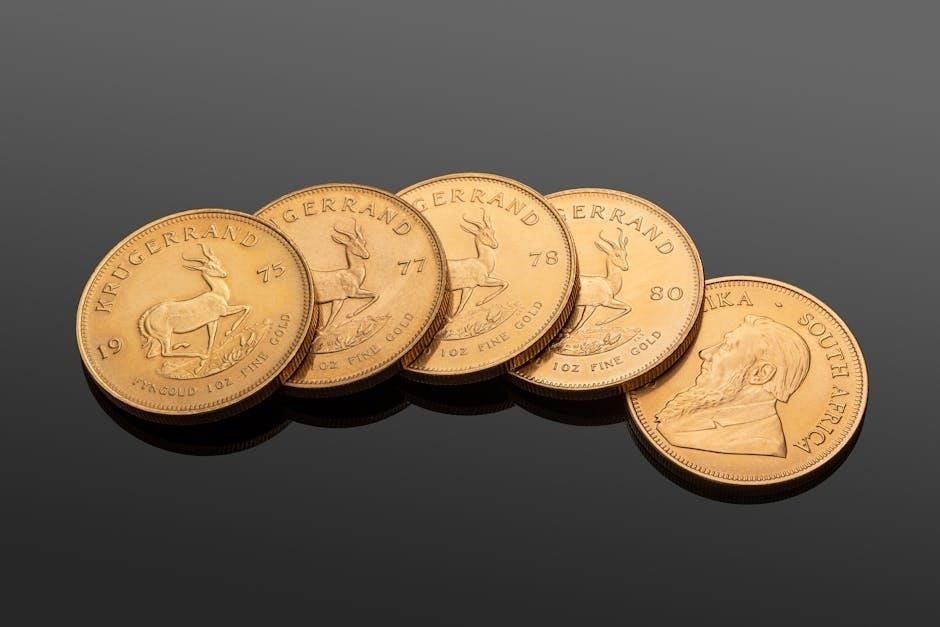
The 2010 $1 coin is aluminium bronze‚ featuring the Girl Guides centenary logo—a trefoil—and Queen Elizabeth II’s effigy‚ impacting its collectibility․

Denomination and Metal Composition

The 2010 Centenary of Girl Guiding coin holds a denomination of one Australian dollar ($1)‚ making it a circulating commemorative release readily accessible to the public․

Its composition is primarily aluminium bronze‚ a standard alloy for Australian dollar coins‚ contributing to its durability and distinctive colour․ This metal choice influences its weight and overall production cost․

The use of aluminium bronze doesn’t inherently increase numismatic value‚ but it’s a key specification for identifying authentic examples and assessing condition‚ directly impacting collector interest and pricing․

The material’s resistance to corrosion also aids in preservation‚ potentially enhancing long-term value for well-maintained specimens․

Diameter‚ Weight‚ and Thickness

The 2010 Girl Guiding $1 coin maintains standard Australian dollar dimensions‚ with a diameter of 25․00mm․ Its weight is 6․00 grams‚ and the thickness measures 1․95mm․ These specifications are crucial for authentication and grading․

While these physical attributes don’t directly dictate value‚ deviations from these measurements can indicate a counterfeit or altered coin‚ diminishing its worth․

Collectors often verify these details when assessing a coin’s authenticity‚ particularly when purchasing from unverified sources․ Consistent dimensions contribute to a coin’s overall appeal and perceived quality․

Precise measurements are also important for proper storage and protection within coin holders or albums․

Obverse Design – Queen Elizabeth II

The obverse of the 2010 Girl Guiding $1 coin features the standard portrait of Queen Elizabeth II‚ designed by Ian Rank-Broadley․ This design is consistent with Australian coinage of the period‚ and its clarity and detail are key indicators of authenticity․

While the Queen’s portrait doesn’t significantly impact the coin’s value directly‚ a well-defined and undamaged portrait enhances its aesthetic appeal to collectors․

Any wear or damage to the obverse‚ such as scratches or loss of detail‚ can detract from the coin’s value‚ particularly for uncirculated examples․

Collectors often assess the sharpness of the portrait as part of the overall grading process․

Reverse Design – Girl Guides Centenary Logo

The reverse of the 2010 $1 coin prominently displays the Girl Guides Centenary logo – a trefoil‚ or three-leaf clover‚ symbolizing the Australian Guide promise․ This emblem is central to the coin’s collectibility and value․

The clarity and detail of the logo are crucial; a sharply defined trefoil indicates a well-preserved coin․ Any wear or fading of the logo significantly reduces its value;

The design’s matte finish‚ as noted in descriptions‚ is also a key feature․ Coins with a vibrant‚ undamaged finish command higher prices․

Collectors prioritize the logo’s condition when assessing the coin’s overall worth․

Production and Mintage Figures

The Royal Australian Mint produced commemorative $1 coins in 2010‚ including mint rolls‚ impacting availability and value․ Lower mintages often correlate with increased collector demand․

Total Mintage Numbers for Circulation

Determining the exact circulation mintage for the 2010 Centenary of Girl Guiding $1 coin proves challenging‚ as the Royal Australian Mint doesn’t always release precise figures for circulating coins․ However‚ it’s understood a substantial quantity entered general circulation alongside standard $1 coins․

The availability of these coins in everyday change initially was high‚ but over time‚ the number found in circulation has diminished․ This reduction‚ coupled with collector interest‚ directly influences the coin’s value today․ Mint rolls‚ however‚ offer a known quantity‚ impacting pricing compared to chance finds․

Understanding the original circulation volume is key to assessing its relative scarcity and‚ consequently‚ its potential value․

Mint Rolls and Collector Issues

The 2010 Girl Guiding $1 coin was released in standard circulation‚ but also as mint rolls directly from the Royal Australian Mint․ These rolls‚ containing a fixed number of uncirculated coins‚ command a premium over individual circulated pieces․

Collector issues‚ often sold in protective packaging‚ further increase value due to their pristine condition․ The availability of sealed mint rolls significantly impacts pricing‚ as they guarantee uncirculated quality․ Individual coins extracted from these rolls also fetch higher prices․

The demand for complete rolls amongst collectors drives up their market value considerably․

Production Year and Mint Location

The Centenary of Girl Guiding $1 coin was exclusively produced in 2010 by the Royal Australian Mint‚ located in Canberra‚ Australia․ This single production year is crucial for collectors‚ as it defines the coin’s historical context and limited availability․

Coins originating directly from this year and mint location are considered authentic and hold greater value․ The Royal Australian Mint’s quality control ensures a consistent standard‚ influencing collector confidence․ Knowing the origin adds to the coin’s provenance․

The mint’s reputation supports the coin’s collectibility․

Value and Factors Influencing Price (as of 01/26/2026)

As of today’s date‚ the 2010 Girl Guide $1 coin’s value ranges from $1․50 to $5‚ depending on condition‚ with uncirculated examples fetching higher prices․

Condition – Circulated vs․ Uncirculated

The condition of a 2010 Centenary of Girl Guiding $1 coin significantly impacts its value․ Circulated coins‚ having been used in everyday transactions‚ typically exhibit wear and tear – scratches‚ blemishes‚ and reduced luster․

These generally command lower prices‚ often around face value or a slight premium․ Conversely‚ uncirculated coins‚ preserved in pristine condition since leaving the mint‚ are highly desirable․

These retain their original shine and sharp details‚ often encased in protective holders‚ and attract a substantial premium‚ potentially several times the face value‚ appealing to dedicated collectors seeking immaculate specimens․

Mint roll coins‚ if unopened‚ also fall into this higher value category․

Rarity and Demand

The 2010 Centenary of Girl Guiding $1 coin’s value is heavily influenced by its relative rarity and collector demand․ While not an exceptionally low-mintage coin‚ the commemorative nature and specific year contribute to its collectibility․

Demand fluctuates based on numismatic trends and interest in Australian commemorative issues․ Coins sourced directly from original mint rolls often command higher prices due to perceived better condition and limited availability․

Increased interest from Girl Guide associations or during milestone anniversaries can also drive up demand‚ impacting the coin’s market value․ Scarcity of uncirculated examples further elevates prices․

Market Trends for Australian Commemorative Coins

The broader market for Australian commemorative coins significantly impacts the 2010 Girl Guiding $1 coin’s value․ Generally‚ coins released during significant anniversaries or celebrating national events tend to hold value better․

Currently‚ there’s a growing interest in Australian decimal coinage‚ particularly those in uncirculated condition․ This trend benefits commemorative $1 coins like the Girl Guiding issue․

However‚ market fluctuations occur due to economic conditions and collector sentiment․ Monitoring auction results and dealer pricing provides insight into current trends‚ influencing the coin’s perceived worth․

Where to Find and Purchase the Coin

The 2010 Girl Guiding $1 coin is available through online auctions like eBay‚ coin dealers‚ and numismatic shops‚ impacting its value based on source․

Australian coin shows also offer opportunities‚ with prices varying based on condition and seller․

Online Auction Sites (eBay‚ etc․)

eBay and similar online auction platforms represent a readily accessible marketplace for the 2010 Centenary of Girl Guiding $1 coin․ Prices fluctuate significantly‚ heavily influenced by the coin’s condition – circulated examples generally command lower values than uncirculated ones․

Currently‚ individual coins can range from approximately $2 to $8 AUD‚ depending on the listing and perceived quality․ Mint roll listings‚ containing multiple coins‚ often present a cost-effective option for collectors‚ typically selling between $30 and $60 AUD․

However‚ prospective buyers should exercise caution‚ carefully examining photos and seller feedback to ensure authenticity and accurate grading before bidding or purchasing․

Coin Dealers and Numismatic Shops

Local coin dealers and numismatic shops offer a more curated experience when seeking the 2010 Centenary of Girl Guiding $1 coin․ These establishments often provide expert authentication and grading services‚ assuring buyers of the coin’s legitimacy and condition․

Prices tend to be slightly higher than online auction sites‚ typically ranging from $3 to $10 AUD for individual coins‚ reflecting the added value of professional assessment․ Mint rolls are usually available at prices between $40 and $70 AUD․

Building a relationship with a reputable dealer can provide access to exclusive inventory and informed advice regarding current market values․

Australian Coin Shows and Events

Australian coin shows and events present excellent opportunities to acquire the 2010 Centenary of Girl Guiding $1 coin directly from collectors and dealers․ These gatherings foster a vibrant trading environment‚ often yielding competitive pricing․

Expect to find individual coins ranging from $2․50 to $8 AUD‚ depending on condition‚ with mint rolls typically priced between $35 and $65 AUD․ The value can fluctuate based on show location and demand․

Attending these events allows for in-person inspection and negotiation‚ enhancing the chances of securing a favorable deal and expanding your network within the numismatic community․
Identifying Authentic Coins

Authenticity is key when assessing the 2010 Girl Guiding $1 coin’s value․ Examine the crispness of the design and metal quality for genuine features․

Beware of counterfeits; professional authentication provides assurance and impacts the coin’s worth significantly․

Key Features to Look For

When verifying a 2010 Centenary of Girl Guiding $1 coin’s authenticity‚ several key features are crucial for determining its value․ The coin is composed of aluminium bronze‚ exhibiting a distinct metallic sheen․ The reverse design prominently displays the Girl Guides centenary logo – a trefoil or three-leaf clover – with sharp‚ well-defined lines․

Inspect the Queen Elizabeth II obverse for clarity and detail․ Genuine coins possess a matte finish and precise engraving․ Examine the coin’s edge for consistent milling․ Mint rolls often contain coins in pristine‚ uncirculated condition‚ commanding a higher value․ Any inconsistencies‚ blurring‚ or discoloration should raise concerns‚ potentially indicating a counterfeit․

Careful observation of these details is essential for accurate assessment;

Avoiding Counterfeit Coins

Protecting your investment requires vigilance against counterfeit 2010 Centenary of Girl Guiding $1 coins․ Be wary of deals significantly below market value‚ a common tactic used by counterfeiters․ Purchase from reputable sources like established coin dealers or recognized numismatic shops․ Thoroughly examine the coin’s details – the trefoil logo and Queen Elizabeth II’s portrait – for sharpness and clarity․

Compare the coin’s weight and dimensions to official specifications․ Counterfeits often deviate in these areas․ If unsure‚ consider professional authentication services like PCGS or NGC․ Always prioritize authenticity over price‚ as a fake coin holds no genuine value․

Due diligence is key to a successful collection․

Professional Authentication Services

For valuable or potentially counterfeit 2010 Centenary of Girl Guiding $1 coins‚ professional authentication is crucial․ Services like PCGS (Professional Coin Grading Service) and NGC (Numismatic Guaranty Corporation) offer expert evaluation․ They assess authenticity‚ grade the coin’s condition‚ and encapsulate it in a tamper-evident holder‚ enhancing its value and protecting it from damage․

Authentication confirms the coin’s genuineness‚ providing peace of mind for collectors and investors․ Grading‚ based on the Sheldon Scale‚ objectively assesses wear and tear‚ directly impacting market price․ A professionally graded and authenticated coin commands a premium․

Consider the service fees when deciding if authentication is worthwhile․

Grading and Certification

Coin grading‚ using scales like Sheldon‚ assesses condition‚ impacting value․ PCGS and NGC offer certification‚ authenticating and encapsulating coins for collectors․

Certified coins fetch higher prices due to verified authenticity and condition․

Common Grading Scales (e․g․‚ Sheldon Scale)

Grading coins‚ like the 2010 Girl Guiding $1 coin‚ relies on standardized scales to assess their condition and determine value․ The Sheldon Scale‚ ranging from 1 to 70‚ is widely used‚ with 70 representing a perfectly struck‚ flawless coin․

Circulated coins typically fall between 15-40‚ reflecting wear from handling․ A coin graded MS-63 (Mint State 63) shows moderate marks‚ while MS-67 indicates minimal imperfections․ Higher grades command significant premiums․

Understanding these scales is crucial for both buyers and sellers‚ as even slight variations in grade can substantially alter a coin’s market price․ Accurate grading ensures fair transactions and informed collecting decisions․

Third-Party Grading Services (e․g․‚ PCGS‚ NGC)

For the 2010 Centenary of Girl Guiding $1 coin‚ utilizing reputable third-party grading services like PCGS (Professional Coin Grading Service) or NGC (Numismatic Guaranty Corporation) is highly recommended․ These services provide impartial‚ expert assessments of a coin’s authenticity and condition․

Graded coins are encapsulated in protective holders‚ safeguarding their grade and enhancing their value․ PCGS and NGC grades are universally recognized by collectors and dealers‚ fostering trust and transparency․

A professionally graded coin generally fetches a higher price than an ungraded one‚ especially in higher mint states‚ due to the assurance of accuracy and authenticity․

Impact of Grading on Value

The grade assigned by a third-party service significantly impacts the 2010 Centenary of Girl Guiding $1 coin’s value․ Uncirculated coins‚ particularly those with designations like MS65 or higher from PCGS or NGC‚ command substantial premiums․

Higher grades reflect minimal wear and original luster‚ appealing to discerning collectors․ Even a slight improvement in grade can dramatically increase a coin’s worth․ Conversely‚ circulated coins‚ even if still identifiable‚ will be valued lower․

Grading provides a standardized assessment‚ reducing subjectivity and establishing a clear market price point‚ influencing both buying and selling decisions․

Collecting and Investment Potential

The 2010 Girl Guiding $1 coin offers modest investment potential‚ appealing to collectors of Australian commemoratives and thematic series‚ with value tied to condition․

Building a collection alongside similar coins could yield long-term gains‚ requiring careful storage to preserve its numismatic integrity․

Building a Collection of Australian Commemorative Coins

Expanding beyond the 2010 Girl Guiding $1 coin into a broader collection of Australian commemoratives can significantly enhance both enjoyment and potential investment returns;

Consider incorporating other coins released in 2010‚ or exploring thematic series like those celebrating Australian history or wildlife․ Focusing on coins in superior condition – uncirculated examples – generally yields greater long-term value․

Mint rolls‚ if available‚ provide a cost-effective way to acquire multiple examples․ Regularly researching market trends and utilizing price guides will help you make informed decisions․ The Girl Guiding coin serves as an excellent starting point for a fascinating numismatic journey․

Long-Term Investment Prospects

The 2010 Centenary of Girl Guiding $1 coin presents modest‚ yet potentially rewarding‚ long-term investment prospects․ While not a high-value rarity currently‚ its appeal lies in its commemorative nature and limited mintage compared to standard circulating coins․

Future value will depend on sustained collector demand and the coin’s condition․ Uncirculated examples‚ particularly those professionally graded‚ are likely to appreciate more significantly․ Economic factors and broader trends in the numismatic market will also play a role․

Diversification is key; don’t rely solely on this coin for substantial returns․

Storage and Preservation Techniques

Preserving the 2010 Centenary of Girl Guiding $1 coin’s value requires careful storage․ Avoid handling the coin directly; use cotton gloves or coin holders․ Protect it from humidity‚ extreme temperatures‚ and direct sunlight‚ as these accelerate deterioration․

For long-term storage‚ archival-quality coin flips‚ sleeves‚ or albums are recommended․ PVC-free materials are crucial to prevent chemical reactions that can damage the coin’s surface․ Consider a safe deposit box for valuable collections․

Proper preservation directly impacts future resale value and collectibility․

Related Commemorative Australian Coins

Similar 2010 commemorative $1 coins offer comparative value insights․ Exploring other thematic series helps understand market trends impacting the Girl Guides coin’s worth․

Other Coins Released in 2010

In 2010‚ the Royal Australian Mint released several commemorative coins alongside the Centenary of Girl Guiding $1 piece․ These included variations of the standard coinage with special designs‚ and higher denomination coins celebrating other Australian events and achievements․

Comparing the mintage figures and current market values of these other 2010 releases provides a valuable benchmark for assessing the Girl Guides coin’s relative scarcity and potential appreciation․ For instance‚ coins with significantly lower mintages generally command higher prices among collectors․ Understanding these parallels helps gauge the $1 coin’s value within the broader context of Australian numismatics․

Analyzing these related coins offers insight into collector preferences and market dynamics․

Similar Commemorative $1 Coins

Several commemorative $1 coins released by the Royal Australian Mint share similarities with the 2010 Girl Guiding issue‚ offering comparative data for valuation․ Coins celebrating anniversaries or national institutions‚ like sporting events or historical figures‚ often exhibit comparable collector interest and price trends․

Examining the mintage numbers‚ initial distribution methods (circulation vs․ collector sets)‚ and current market prices of these similar coins provides a crucial context for understanding the Girl Guides coin’s worth․ Factors like design appeal and historical significance also play a role in determining value․

These comparisons aid in establishing a realistic price range․

Thematic Coin Series

The 2010 Centenary of Girl Guiding $1 coin can be viewed within the broader context of the Royal Australian Mint’s thematic coin series‚ which often feature commemorative designs celebrating Australian culture and history․ Understanding these series helps assess the coin’s potential value․

Coins released as part of a recognized thematic series sometimes benefit from increased collector attention‚ particularly if the series is popular or has a dedicated following․ Analyzing past performance of similar thematic releases provides insight into potential long-term appreciation․

This contextualization aids in accurate valuation․

Resources for Collectors

Online coin clubs and forums‚ alongside numismatic publications‚ offer valuable insights into the 2010 Girl Guiding $1 coin’s value and market trends․

Australian price guides further assist collectors in determining current valuations and tracking potential appreciation․

Online Coin Clubs and Forums

Engaging with online coin communities is invaluable for understanding the 2010 Centenary of Girl Guiding $1 coin’s fluctuating value․ Numerous forums and clubs host discussions where collectors share pricing information‚ recent sales data‚ and condition assessments․

These platforms provide a space to ask questions‚ authenticate potential purchases‚ and learn from experienced numismatists․ Websites like the Online Coin Club (mentioned in provided sources) are excellent starting points․ Active participation allows you to gauge current market demand and identify potential investment opportunities related to this commemorative coin․

Regularly monitoring these resources will keep you informed about evolving values․

Numismatic Publications and Websites

Dedicated numismatic resources offer detailed insights into the 2010 Centenary of Girl Guiding $1 coin’s value․ Australian coin price guides‚ regularly updated‚ provide a baseline for assessing worth based on condition and rarity․

Specialized websites often feature articles analyzing commemorative coin trends‚ including those from the Royal Australian Mint․ Publications focused on Australian currency can offer historical context and expert opinions influencing the coin’s perceived value․

Staying current with these sources is crucial for informed collecting and accurate valuation‚ especially given market fluctuations․

Australian Coin Price Guides

Australian Coin Price Guides are essential tools for determining the 2010 Centenary of Girl Guiding $1 coin’s current market value․ These guides categorize coins by year‚ mintmark‚ and condition‚ providing estimated values for circulated and uncirculated examples․

Regularly updated editions reflect changing market dynamics and collector demand․ Key factors considered include mintage figures‚ rarity‚ and overall aesthetic appeal․ Guides often differentiate values for coins in mint rolls versus individual pieces․

Consulting multiple guides offers a comprehensive valuation perspective‚ aiding informed buying and selling decisions․


backlink tracking techniques comprehensive guide

Backlink analysis tools are essential for SEO, offering data-driven insights into a website’s backlink profile, aiding strategy and ranking improvements.

What are Backlinks and Why Track Them?

Backlinks are links from other websites to your own, acting as votes of confidence in the eyes of search engines like Google. They’re a crucial ranking factor, signaling to search engines that your content is valuable and trustworthy. Tracking these links is paramount for several reasons. Understanding your backlink profile – the collection of all links pointing to your site – allows you to assess your website’s authority and identify potential issues.

Monitoring backlinks helps uncover toxic links that could harm your rankings, discover link-building opportunities, and analyze competitor strategies. Regularly tracking allows for proactive management, ensuring a healthy backlink profile and sustained SEO success. Ignoring backlinks means missing vital insights into your website’s online presence and potential growth.

The Importance of Backlink Analysis for SEO

Backlink analysis is fundamental to a successful SEO strategy because search engines heavily weigh backlinks when determining website rankings. A strong backlink profile signals credibility and authority, boosting organic visibility. Analyzing backlinks reveals valuable insights into your website’s online reputation and identifies opportunities for improvement.

This process allows you to pinpoint high-quality links driving referral traffic and uncover potentially harmful links that could trigger penalties. Furthermore, backlink analysis facilitates competitor research, revealing their link-building tactics and potential partnership opportunities. Proactive monitoring and analysis are crucial for maintaining a healthy backlink profile and achieving long-term SEO goals.

Backlink Tracking Tools: A Comprehensive Overview

Several powerful tools, like Ahrefs and Semrush, offer comprehensive backlink analysis, providing data on link quantity, quality, and overall SEO performance.

Ahrefs: Industry Leader in Backlink Analysis

Ahrefs consistently ranks as a top choice for professionals needing robust backlink data. Its extensive index and frequent updates provide a comprehensive view of a website’s backlink profile, surpassing many competitors in scale and accuracy. Beyond simply identifying links, Ahrefs excels at providing detailed metrics like Domain Rating (DR) and URL Rating (UR), crucial for assessing link quality and authority.

The platform’s user interface is intuitive, allowing for efficient exploration of backlink data, including anchor text distribution and referring domains. A standout feature is the “Backlink Gap” analysis, enabling users to compare their backlink profiles against competitors, uncovering potential link-building opportunities. While it represents a significant investment, Ahrefs delivers unparalleled insights for serious SEO practitioners focused on comprehensive backlink analysis.

Semrush: All-in-One SEO Toolkit with Backlink Features

Semrush distinguishes itself as a versatile, all-in-one SEO platform, with a strong suite of backlink analysis tools integrated within its broader capabilities. While perhaps not solely focused on backlinks like Ahrefs, Semrush provides a substantial backlink database and valuable insights into a website’s linking profile. Users can analyze backlink growth, identify toxic links, and assess the authority of referring domains.

A key advantage of Semrush is its “Backlink Gap” feature, allowing direct comparison of backlink profiles against competitors. However, some users note that its SEO metrics can be less precise than Ahrefs. Despite this, Semrush remains a powerful choice, particularly for those seeking a comprehensive SEO toolkit encompassing keyword research, site audits, and competitive analysis alongside robust backlink data.

Moz Pro: Comprehensive SEO Platform with Link Explorer

Moz Pro offers a comprehensive SEO platform, and its “Link Explorer” is a dedicated tool for in-depth backlink analysis. Moz’s approach centers around “Domain Authority” (DA) and “Page Authority” (PA) metrics, providing a quick assessment of a website’s strength and ranking potential based on its backlink profile. Link Explorer allows users to explore linking domains, uncover new backlink opportunities, and identify potentially harmful links.

While Moz’s backlink database may be smaller than Ahrefs or Semrush, it excels in providing clear, actionable insights. The platform’s user-friendly interface and educational resources make it a good choice for SEOs of all levels. Moz Pro’s holistic approach, combining backlink analysis with keyword research and rank tracking, delivers a well-rounded SEO solution.

Majestic SEO: Focus on Link Intelligence and Trust Flow

Majestic SEO distinguishes itself with a strong emphasis on “link intelligence,” offering unique metrics like “Trust Flow” and “Citation Flow” to evaluate backlink quality. Trust Flow analyzes the number and quality of websites linking to a target URL, while Citation Flow measures the total number of backlinks, regardless of quality. This dual-metric system provides a nuanced understanding of a website’s backlink profile.

Majestic’s historical index is a significant advantage, allowing users to track backlink changes over time. The tool excels at identifying backlink patterns and uncovering hidden backlink opportunities. While the interface might appear less modern than some competitors, Majestic SEO remains a powerful choice for SEO professionals prioritizing detailed link data and sophisticated analysis.

Key Backlink Metrics to Monitor

Essential metrics include Domain Authority, Page Authority, Trust Flow, Citation Flow, and anchor text – all crucial for evaluating backlink quality and SEO impact.

Domain Authority (DA) and Domain Rating (DR)

Domain Authority (DA), a metric developed by Moz, predicts a website’s ranking ability in search engine results. It’s based on a logarithmic scale of one to 100, with higher scores indicating greater authority. While useful, DA is proprietary and its calculation isn’t fully transparent.

Domain Rating (DR), offered by Ahrefs, serves a similar purpose but utilizes a different algorithm. DR also ranges from 0 to 100 and assesses the overall strength of a website’s backlink profile. Many SEO professionals find DR to be a more reliable indicator due to its focus on the quantity and quality of referring domains.

Both DA and DR are valuable for quickly gauging a website’s overall authority and comparing it to competitors. However, remember they are predictive metrics and shouldn’t be the sole basis for evaluating backlink quality.

Page Authority (PA) and URL Rating (UR)

Page Authority (PA), created by Moz, measures the predictive ranking power of a specific page, rather than an entire domain. Like DA, PA ranges from 1 to 100, with higher scores signifying a greater likelihood of ranking. It considers factors like link quality and quantity pointing to that specific URL.

URL Rating (UR), Ahrefs’ equivalent, assesses the strength of a specific URL based on its backlink profile. UR also uses a 0-100 scale and provides a more granular view of individual page authority compared to DR. It’s particularly useful for identifying high-performing pages within a website.

Monitoring PA and UR alongside DA and DR offers a comprehensive understanding of a website’s link equity distribution and helps pinpoint opportunities for improvement.

Trust Flow and Citation Flow

Majestic SEO introduced Trust Flow and Citation Flow as unique metrics for evaluating backlink quality. Trust Flow analyzes the quality of websites linking to a URL, based on the number and trustworthiness of those sources – essentially, a measure of ‘trust’ passed along.

Citation Flow, conversely, measures the sheer number of backlinks pointing to a URL, regardless of quality. A high Citation Flow with a low Trust Flow can indicate potentially manipulative link-building practices.

Ideally, a healthy backlink profile exhibits a balanced ratio between Trust Flow and Citation Flow. Analyzing this relationship helps identify potentially toxic links and assess overall link profile health.

Anchor Text Analysis

Anchor text – the visible, clickable text in a hyperlink – is a crucial ranking factor. Analyzing anchor text distribution within a backlink profile reveals valuable insights into link-building strategies and potential SEO risks.

A natural backlink profile features diverse anchor text, including branded terms, generic phrases (like “click here”), naked URLs, and relevant keywords. Over-optimization with exact-match keywords can trigger penalties from search engines.

Tools allow filtering backlinks by anchor text, identifying potentially problematic patterns. Monitoring anchor text helps maintain a healthy, natural link profile, supporting long-term SEO success and avoiding algorithmic penalties.

Advanced Backlink Tracking Techniques

Employing gap analysis, identifying broken links, and consistently monitoring new and lost backlinks are key to refining a robust SEO strategy.

Backlink Gap Analysis: Competitor Comparison

Backlink gap analysis is a powerful technique involving comparing your website’s backlink profile to those of your competitors. This reveals opportunities – links your rivals have secured, but you haven’t. Tools like Semrush excel at this, showcasing shared and unique backlinks. Identifying these gaps allows you to target similar sources, potentially acquiring valuable links and boosting your search rankings.

The process isn’t simply about replicating competitor links; it’s about understanding why they have those links. Is it due to superior content, stronger relationships, or different outreach strategies? Analyzing the anchor text and relevance of competitor backlinks provides crucial insights. Prioritize opportunities based on domain authority and relevance to your niche, focusing on high-quality links that will genuinely impact your SEO performance. This strategic approach maximizes your link-building efforts.

Identifying Broken Backlinks

Backlink tracking isn’t just about acquiring new links; it’s also about maintaining existing ones. Broken backlinks – links pointing to your site that now lead to error pages (like 404s) – negatively impact your SEO. Regularly identifying these is crucial. Tools like Ahrefs and Semrush can pinpoint broken links within your backlink profile.

Once identified, you have two primary options: attempt to recreate the link on a relevant, existing page, or reach out to the linking website requesting an update to a working URL. This demonstrates proactive website maintenance and preserves valuable link equity. Ignoring broken backlinks signals neglect to search engines and wastes potential traffic, making this a vital component of a comprehensive backlink strategy.

Monitoring New and Lost Backlinks

Consistent backlink monitoring is paramount for understanding your website’s link profile evolution. Tracking new backlinks reveals successful outreach efforts and organic link acquisition, indicating content resonance. Conversely, identifying lost backlinks – those previously pointing to your site but now removed – is equally important.

Lost links can signal content obsolescence, website changes, or even negative SEO. Investigating the reasons behind link loss allows for corrective action, such as updating content or contacting the linking site. Most backlink tracking tools offer features to alert you to both new and lost links, enabling swift response and maintaining a healthy link profile. Proactive monitoring is key to sustained SEO success.

Utilizing Backlink Data for Strategy

Backlink data informs crucial SEO strategies: disavowing toxic links, reclaiming lost opportunities, and generating fresh content ideas based on successful sources.

Disavowing Toxic Backlinks

Disavowing backlinks is a critical defensive SEO tactic. Identifying and rejecting harmful links – those from spammy, low-quality, or penalized websites – prevents negative impacts on your search rankings. Google’s algorithms can perceive a natural backlink profile as a vote of confidence, but a significant number of toxic links signals manipulation.

Backlink tracking tools help pinpoint these detrimental links. Once identified, you compile a disavow file, a text document listing the URLs or entire domains to be ignored by Google. Submitting this file through Google Search Console signals your disapproval of these links, effectively neutralizing their negative influence. Regularly reviewing your backlink profile and disavowing toxic links is vital for maintaining a healthy SEO foundation and protecting your website’s authority.

Reclaiming Lost Backlinks

Losing backlinks is a natural part of the web’s evolution, but proactively reclaiming them can significantly benefit your SEO. Backlink tracking tools alert you to lost links, providing opportunities for outreach and restoration. Often, a simple 404 error or content update on the linking site causes the link to break.

Identifying the original context of the link allows for targeted communication. Contact the website owner, politely informing them of the broken link and suggesting your updated content as a replacement. This demonstrates proactive engagement and provides value. Reclaiming lost backlinks not only restores link equity but also strengthens relationships with other webmasters, fostering future collaboration and potential link-building opportunities.

Content Ideas Based on Backlink Sources

Analyzing backlink sources reveals valuable insights into content topics resonating with your audience and industry influencers. If numerous high-quality sites link to a specific piece of your content, it signals strong interest in that subject matter. Leverage this data to create more in-depth, updated, or related content;

Identify common themes among your top linking domains. Are they frequently linking to listicles, how-to guides, or original research? This informs your content strategy. Furthermore, explore the content surrounding your backlinks on those sites – what topics are they covering? This uncovers content gaps and opportunities to establish yourself as a thought leader within your niche, attracting further valuable links.

Backlink Tracking Automation & Alerts

Automated alerts for new and lost backlinks, coupled with regular reporting, streamline monitoring and allow for swift responses to link profile changes.

Setting Up Alerts for New Backlinks

Establishing timely alerts for new backlinks is crucial for proactive SEO management. Most backlink tracking tools, like Ahrefs and Semrush, offer customizable alert systems. These allow you to specify notification preferences – typically via email – whenever a new link pointing to your website is discovered.

Configuration options often include filtering by domain rating or referring domain, ensuring you’re only notified about high-quality links. Immediate notification enables quick assessment of the link’s relevance and potential impact on your rankings. Promptly identifying and evaluating new backlinks allows for timely outreach if needed, or simply provides valuable data for ongoing backlink analysis.

Regularly reviewing these alerts is vital for maintaining a healthy backlink profile and capitalizing on new opportunities.

Automated Reporting and Analysis

Leveraging automated reporting features within backlink tracking tools significantly streamlines SEO workflows. Platforms like Moz Pro and Semrush provide scheduled reports detailing key backlink metrics, including domain authority, referring domains, and anchor text distribution. These reports can be customized to focus on specific data points relevant to your SEO goals.

Automated analysis often includes identifying trends in backlink growth or decline, highlighting potential issues like lost links or toxic backlinks. This proactive approach allows for timely intervention and optimization of your link-building strategy. Regularly scheduled reports save valuable time and ensure consistent monitoring of your backlink profile, fostering data-driven decision-making.

crosman 2100 manual

Crosman 2100 Manual: A Comprehensive Guide

This guide details the Crosman 2100 pneumatic airgun‚ covering safety‚ operation‚ maintenance‚ and troubleshooting – referencing the official October 2023 manual.

The Crosman 2100 is a popular‚ single-pump pneumatic air rifle‚ renowned for its affordability and accuracy. This manual serves as a comprehensive resource for owners of the 2100‚ CLGY1000‚ or AM77 models‚ chambered in .177 caliber (4.5mm). Designed to function optimally with Crosman pellets‚ understanding its operation is crucial for safe and effective use.

Before operation‚ thoroughly review this manual‚ especially the safety precautions. The 2100’s design‚ dating back to 1983‚ has proven reliable‚ but proper maintenance‚ as outlined within‚ ensures longevity. This guide will help you maximize your shooting experience.

Safety Precautions

Always treat the Crosman 2100 as a real firearm. Never point it at anything you do not intend to shoot. Keep the muzzle pointed in a safe direction at all times. Before handling‚ verify the rifle is unloaded.

Adult supervision is required for users under 18. Wear appropriate eye protection during operation. Never modify the airgun‚ as this can compromise safety. Use only Crosman pellets to avoid malfunction and potential damage. Read the entire manual‚ including this safety section‚ before use. Store the rifle securely when not in use.

Understanding the Components

The Crosman 2100 is a pneumatic‚ single-shot air rifle. Key components include the barrel‚ receiver‚ stock‚ cocking mechanism‚ and trigger. An exploded view diagram (available in the manual) illustrates each part’s location and relationship. Familiarizing yourself with these components is crucial for safe operation and maintenance.

The rifle utilizes .177 caliber (4.5mm) pellets. Understanding how each part functions – from pellet loading to the firing sequence – will enhance your shooting experience and allow for effective troubleshooting when needed. Refer to the provided documentation for detailed illustrations.

Key Parts Identification

Essential components include the barrel‚ responsible for pellet accuracy; the receiver‚ housing the internal mechanisms; and the stock‚ providing a stable hold. The cocking mechanism‚ vital for preparing the rifle‚ and the trigger‚ initiating the shot‚ are also key. Identifying the breech‚ where pellets are loaded‚ is crucial.

The manual’s exploded view diagram clearly labels each part‚ numbered for easy reference. Recognizing these components – like the safety mechanism and various screws – aids in disassembly‚ maintenance‚ and understanding potential issues. Proper identification is the first step towards effective repair or modification.

Exploded View Diagram

The diagram‚ a cornerstone of the Crosman 2100 manual‚ visually breaks down the rifle into its 37 numbered components. This detailed illustration is invaluable for disassembly and reassembly‚ showcasing the precise placement of each part – from the barrel and receiver to smaller screws and springs.

It allows users to understand the internal workings and facilitates identifying replacement parts. Referencing this diagram alongside the parts list ensures accurate repairs and modifications. The exploded view clarifies complex assemblies‚ making maintenance significantly easier and reducing the risk of errors during servicing.

Loading and Pellet Types

The Crosman 2100 is designed for .177 caliber (4.5mm) pellets‚ and optimal performance is achieved using Crosman brand pellets. Utilizing alternative pellet types may lead to malfunctions or potential damage to the airgun. Loading involves carefully inserting pellets into the barrel breech‚ ensuring a secure fit for accurate shooting.

Avoid over-loading‚ as this can impede the firing mechanism. The manual emphasizes using the correct pellet size for consistent results and safe operation. Experimenting with different Crosman pellets can fine-tune accuracy based on individual preferences and shooting conditions.

Operation Instructions

Before operation‚ thoroughly read the entire manual‚ especially the safety section. The Crosman 2100 is a pneumatic airgun requiring manual cocking before each shot. Ensure the barrel is pointed in a safe direction during this process. Proper grip and stance are crucial for accuracy and control.

The firing procedure involves a smooth trigger pull after cocking. Avoid jerky movements. Familiarize yourself with the cocking mechanism’s feel to ensure consistent operation. Always double-check your target and surroundings before firing‚ adhering to all local safety regulations.

Cocking Mechanism

The Crosman 2100 utilizes a lever-action cocking mechanism. Pull the barrel rearward until it locks into place; this compresses the air for propulsion. Ensure a firm grip during cocking to avoid slippage. The cocking process requires moderate effort‚ and a distinct clicking sound confirms engagement.

Never attempt to fire the airgun without fully cocking the barrel. Repeatedly cycling the cocking lever without firing a pellet can reduce internal pressure. Always maintain a safe direction while operating the cocking mechanism‚ and avoid any distractions during this crucial step.

Firing Procedure

Before firing‚ always double-check your target and surroundings for safety. With the barrel fully cocked‚ aim carefully at your intended target. Place your finger on the trigger and gently squeeze – avoid jerking or anticipating the shot. A smooth trigger pull ensures accuracy.

After firing‚ the barrel will automatically return to its forward position‚ ready for re-cocking. Maintain a firm grip on the airgun throughout the firing process. Never dry-fire the Crosman 2100 repeatedly‚ as this can damage internal components. Always prioritize safe handling practices.

Maintenance and Cleaning

Regular maintenance is crucial for optimal Crosman 2100 performance and longevity. After each use‚ visually inspect the airgun for any signs of damage or wear. Periodically clean the barrel to remove pellet residue and maintain accuracy. Avoid using harsh solvents; a dedicated airgun cleaning solution is recommended.

Proper lubrication‚ using appropriate airgun oil‚ prevents internal friction and ensures smooth operation. Disassembly for thorough cleaning should only be performed by experienced individuals. Always refer to the official manual for detailed instructions and safety precautions during maintenance procedures.

Lubrication Guidelines

Consistent lubrication is vital for the Crosman 2100’s smooth functioning. Use only high-quality airgun oil specifically designed for pneumatic systems; avoid petroleum-based lubricants. Apply a few drops to the piston shaft during reassembly after cleaning‚ ensuring even distribution. Lightly oil the cocking mechanism’s moving parts.

Over-lubrication can attract dirt and debris‚ hindering performance. Avoid excessive oil application. Regular‚ minimal lubrication is preferable to infrequent‚ heavy applications. Refer to the official manual for specific lubrication points and recommended oil types to maintain optimal airgun operation and prevent internal damage.

Cleaning the Barrel

Regular barrel cleaning maintains accuracy and prevents lead buildup in your Crosman 2100. Use a specialized .177 caliber cleaning rod with cotton swabs or patches. Dampen the patch with airgun cleaning solvent‚ avoiding harsh chemicals. Gently push the patch through the barrel from breech to muzzle‚ repeating until clean.

Inspect the barrel for any remaining residue. A dry patch can then be used to ensure complete dryness. Avoid abrasive cleaners that could damage the rifling. Proper barrel maintenance‚ as outlined in the official manual‚ ensures consistent pellet velocity and grouping.

Troubleshooting Common Issues

Common problems with the Crosman 2100 include pellet feeding issues and reduced power. For feeding problems‚ ensure proper pellet type (Crosman recommended) and check the breech for obstructions. Low power often indicates a worn breech seal or insufficient lubrication.

Consult the owner’s manual for detailed diagnostics. Verify the cocking mechanism is fully engaging. If issues persist‚ disassembly (refer to the manual!) and inspection of internal components may be necessary. Remember safety precautions during any troubleshooting steps‚ and avoid modifications without proper knowledge.

Pellet Feeding Problems

Pellet feeding issues in the Crosman 2100 often stem from using incorrect pellet types; Crosman pellets are recommended for optimal performance. Inspect the breech area for any obstructions – debris or damaged pellets can cause jams. Ensure the pellet skirt isn’t deformed‚ hindering smooth loading.

A partially engaged cocking mechanism can also contribute. Verify full cocking action. If problems continue‚ carefully disassemble (following the manual’s instructions!) and inspect the probe and feed channel for damage or buildup. Proper cleaning and lubrication are crucial for reliable feeding.

Low Power/Velocity

Reduced power or velocity in your Crosman 2100 can indicate several issues. First‚ confirm you’re using fresh‚ high-quality pellets. Old or damaged pellets lose their effectiveness. Check the breech seal for wear or damage; a compromised seal leaks air‚ lowering pressure.

Inspect the valve assembly during disassembly (refer to the manual!). Ensure it’s clean and functioning correctly. Lubrication is vital; a dry valve reduces efficiency. Also‚ verify the cocking mechanism fully engages‚ maximizing air compression. Consistent low power suggests a deeper internal issue requiring professional attention.

Disassembly and Reassembly

Disassembling the Crosman 2100 requires caution and adherence to the official manual’s step-by-step instructions. Begin by ensuring the rifle is unloaded and safe. Carefully remove the stock‚ then proceed with the breech and valve assembly. Note the orientation of all parts for correct reassembly.

Reassembly involves reversing the process‚ paying close attention to seals and o-rings. Proper lubrication is crucial during reassembly to ensure smooth operation and prevent leaks. Refer to exploded view diagrams for accurate component placement. If unsure‚ consult online forums or seek professional assistance.

Step-by-Step Disassembly

Begin by removing the stock screws‚ carefully separating the stock from the airgun’s mechanism. Next‚ detach the breech assembly‚ noting the spring and washer placement. Unscrew the valve stem‚ being mindful of the internal o-rings. The trigger group can then be carefully removed‚ followed by the safety mechanism.

Document each step with photos for reference during reassembly. Pay attention to small parts like detents and seals. Avoid excessive force; if resistance is met‚ re-examine the procedure. Refer to the exploded view diagram (available in the manual) for visual guidance throughout the disassembly process.

Reassembly Instructions

Begin by reversing the disassembly steps‚ starting with the safety mechanism and trigger group; Carefully reinstall the valve stem‚ ensuring proper o-ring seating and lubrication. Reattach the breech assembly‚ correctly positioning the spring and washer. Secure the stock with the screws‚ avoiding over-tightening.

Utilize your disassembly photos as a guide. Test each component’s function as you reassemble. Confirm smooth operation of the trigger and safety. A properly reassembled Crosman 2100 should function flawlessly; if issues arise‚ revisit the manual and diagrams.

Crosman 2100 Modifications

Numerous modifications enhance the Crosman 2100’s performance. Common upgrades include replacing the factory valve with aftermarket options for increased power and consistency. Upgrading the breech seal and o-rings improves air retention. Many enthusiasts explore custom stocks and grips for improved ergonomics.

Aftermarket parts‚ readily available online‚ allow for significant customization. Be aware that modifications may void warranties and require advanced mechanical skills. Research thoroughly before attempting any alterations‚ prioritizing safety and proper function. Comparisons with the Crosman 397 often drive modification choices.

Common Upgrade Paths

Popular upgrade paths for the Crosman 2100 focus on power and accuracy. A frequently chosen modification is installing a higher-flow valve‚ boosting velocity and shot count. Polishing internal components‚ like the compression chamber‚ reduces friction for smoother operation. Many users replace the stock barrel with a rifled aftermarket barrel for improved pellet grouping.

Another common path involves upgrading the pump linkage for easier cocking. Exploring different spring combinations can fine-tune the power level. Remember to research compatibility and potential impacts on the airgun’s lifespan before implementing any upgrades.

Aftermarket Parts

A robust aftermarket supports the Crosman 2100‚ offering numerous customization options. High-flow valves from companies like TJ’s Airgun Parts significantly increase power. Rifled barrels‚ available in various lengths and materials‚ enhance accuracy. Upgraded breech seals improve air retention and consistency.

You can find replacement springs‚ pump linkages‚ and even complete bolt assemblies. Custom grips and stocks provide a more comfortable shooting experience. Ensure parts are specifically designed for the 2100 to guarantee proper fit and function. Online forums are excellent resources for identifying reputable suppliers and compatible components.

Comparison with Crosman 397

Both the Crosman 2100 and 397 are single-pump pneumatic air rifles‚ popular for their affordability and simplicity. The 397 generally offers slightly higher velocity due to its design‚ but the 2100 is often favored for its ease of modification. Disassembly and reassembly are considered simpler on the 2100.

Parts availability is good for both models‚ though the 2100 boasts a larger aftermarket. Some users find the 397’s shoulder stock more comfortable. Comparisons reveal that the 2100’s performance can be significantly enhanced with aftermarket upgrades‚ potentially surpassing the 397’s stock capabilities.

Manual Download and Resources

The official Crosman 2100/CLGY1000/AM77 manual‚ a 939KB PDF published October 17‚ 2023 (MD5: 338DD86A61BC702FC47B6FD9F62235A7)‚ is directly available from Crosman’s website. This comprehensive document covers safety‚ operation‚ and maintenance.

Beyond the official manual‚ numerous online forums and communities dedicated to airguns provide valuable resources‚ troubleshooting tips‚ and modification guides. Websites often host exploded view diagrams and parts lists. Crosman’s own site (crosman.com/cs/manuals/crosman-rifles) is a central hub for support.

Official Crosman Manual Link

Access the official Crosman 2100/CLGY1000/AM77 .177 Caliber (4.5 mm) Pneumatic Airgun owner’s manual directly through Crosman’s website. This crucial 939 KB PDF document‚ last updated October 17‚ 2023‚ provides detailed instructions on safe operation‚ maintenance‚ and troubleshooting.

The manual’s MD5 checksum is 338DD86A61BC702FC47B6FD9F62235A7‚ ensuring file integrity. You can find the direct link within the Crosman rifles manuals section at crosman.com/cs/manuals/crosman-rifles. Downloading and reviewing this manual before use is strongly recommended.

Online Forums and Communities

Enhance your Crosman 2100 experience by connecting with fellow enthusiasts online! Numerous forums and communities offer valuable insights‚ modification ideas‚ and troubleshooting assistance. These platforms are excellent resources for learning from experienced users and sharing your own knowledge.

Discussions often cover topics like upgrade paths‚ aftermarket parts‚ and comparisons with models like the Crosman 397. While specific forum links aren’t provided‚ a general web search for “Crosman 2100 forum” will reveal active communities dedicated to this popular airgun. Engage‚ learn‚ and contribute!

Specifications of Crosman 2100

The Crosman 2100 is a .177 caliber (4.5 mm) pneumatic airgun‚ designed for optimal performance with Crosman pellets. While detailed specifications aren’t explicitly listed in the provided information‚ it’s understood to be a single-pump pneumatic rifle. The owner’s manual‚ available as a 939 KB PDF (MD5 Checksum: 338DD86A61BC702FC47B6FD9F62235A7‚ published October 17‚ 2023)‚ likely contains precise details.

Users frequently compare it to the Crosman 397‚ suggesting similar operational principles. Further research and the official manual will reveal specifics regarding velocity‚ weight‚ and overall dimensions.