Have Auto Licence, Want Manual: A Comprehensive Guide
Considering a switch? This guide, informed by financial and investment expertise from professionals like Melissa Horton and Thomas J. Catalano, details transitioning from automatic to manual transmission.
For drivers accustomed to automatics, the allure of a manual transmission might seem counterintuitive. However, a growing number of enthusiasts actively seek the heightened connection and control a manual gearbox provides. This isn’t simply nostalgia; it’s a deliberate choice.
Many drivers, like those guided by financial literacy professionals such as Melissa Horton, appreciate the engagement and skill development a manual demands. It transforms driving from a passive experience into an active, involved one. The tactile feedback and direct control over the engine’s power band offer a uniquely satisfying experience, fostering a deeper understanding of vehicle dynamics.
Why People Switch: From Automatic to Manual
The motivations are diverse, ranging from a desire for a more immersive driving experience to practical considerations. Drivers, perhaps influenced by financial planning insights from experts like Thomas J. Catalano, often cite increased control as a primary reason.
Others are drawn to the perceived benefits of fuel efficiency in older vehicles, or the typically lower purchase price of manual transmission cars. A key factor is the enhanced driver engagement – a feeling of being truly in the car, rather than simply transported by it. This shift represents a conscious rejection of automation in favor of skill and connection.
Increased Driver Engagement
Manual transmissions demand active participation, transforming driving from a passive activity into a dynamic interaction. Unlike automatics, which handle gear changes, manuals require the driver to consciously select the appropriate gear for the situation.
This constant involvement fosters a deeper connection with the vehicle and the road. It’s a skill-based experience, appealing to those who, like financial literacy professional Melissa Horton, appreciate mastering a complex system. The result is a more rewarding and stimulating driving experience, heightening awareness and enjoyment.
Greater Vehicle Control
Manual transmissions offer a heightened sense of control over the vehicle’s power and responsiveness. Drivers directly dictate engine speed and torque delivery, enabling precise adjustments for varying road conditions and driving scenarios. This contrasts sharply with automatics, where the computer makes these decisions.
Experienced drivers, much like Registered Investment Adviser Thomas J. Catalano managing portfolios, can leverage this control for enhanced performance and safety. Engine braking becomes readily available, and precise gear selection allows for optimal power utilization, especially in challenging terrains.
Potential Fuel Efficiency (Older Vehicles)
Historically, manual transmissions often yielded better fuel economy, particularly in older vehicle models. This stemmed from the direct mechanical connection, minimizing energy loss inherent in automatic torque converters. However, modern automatics, utilizing advanced technologies, have largely closed this gap.
Financial literacy expert Melissa Horton would advise considering the vehicle’s age. While older manuals could offer savings, newer automatics frequently outperform them. A thorough cost-benefit analysis, factoring in driving habits and vehicle specifics, is crucial.
Lower Vehicle Purchase Price (Generally)
Traditionally, vehicles equipped with manual transmissions have a lower initial purchase price compared to their automatic counterparts. This price difference reflects the simpler manufacturing process and fewer components required for a manual gearbox. However, this gap is narrowing as demand for manuals decreases.
Considering financial planning, as advised by Thomas J. Catalano, a CFP, this initial saving can be significant. It allows for budget allocation towards other vehicle features or maintenance. Researching specific models is vital, as market trends influence pricing.
Assessing Your Current Driving Skills
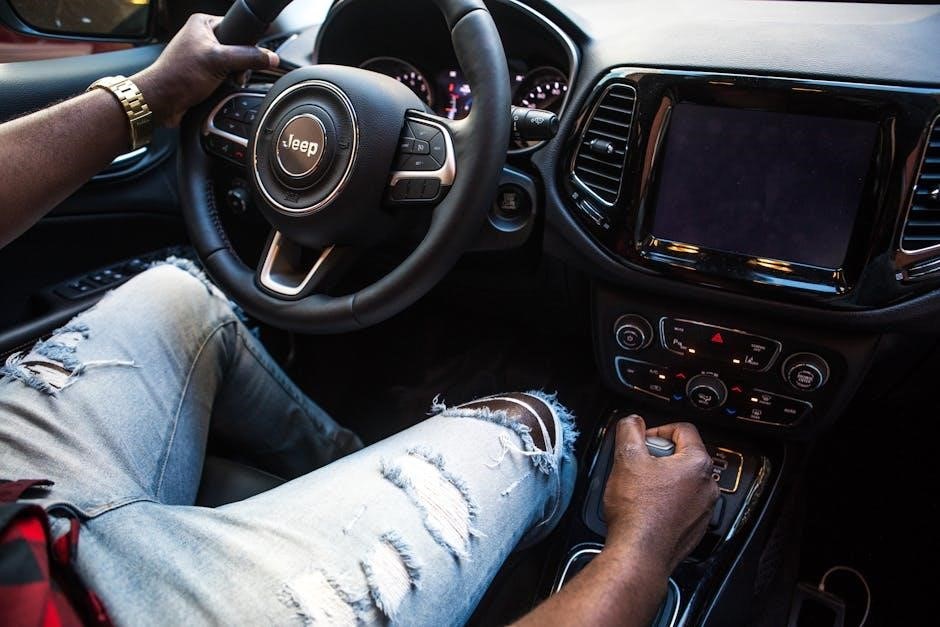
Honest self-evaluation is crucial before embarking on learning manual. While possessing a valid automatic license demonstrates fundamental driving competence, manual requires a different skillset. Consider your coordination, spatial awareness, and ability to quickly react to changing conditions.
Melissa Horton’s financial literacy background highlights the value of informed decisions. Assess if you’re comfortable with multitasking – clutch control, gear selection, and throttle management simultaneously. A realistic appraisal prevents frustration and ensures a safer learning experience.
Automatic Driving Habits to Break
Transitioning from automatic necessitates consciously unlearning ingrained habits. The biggest hurdle is “two-foot driving” – automatic drivers often rest a foot on the brake. This is detrimental to clutch control. Similarly, relying solely on the accelerator for speed control must change; gear selection dictates engine RPM.
Like Thomas J. Catalano’s investment advice, breaking these habits requires discipline. Avoid the instinct to simply ‘push’ for more speed. Focus on smooth coordination, anticipating gear changes, and mastering the clutch – essential for a successful shift.
Understanding Clutch Control Basics
The clutch is the linchpin of manual driving. It disconnects the engine from the wheels, allowing gear changes. Think of it as a bridge – engaging (releasing) connects, disengaging (pressing) disconnects. Finding the “friction point” – where the engine begins to bite – is crucial.
Like Melissa Horton’s financial planning, mastering the clutch requires practice; Smooth engagement prevents stalling and jerky starts. Avoid ‘dumping’ the clutch; gradual release is key. Coordination with the accelerator is vital; too little gas, and you stall; too much, and you lurch.
Heel-Toe Downshifting – An Advanced Technique
Heel-toe downshifting is a refined skill, blending braking and throttle control for seamless gear changes. It prevents upsetting the vehicle’s balance during cornering, crucial for performance driving. Simultaneously brake with the ball of your foot and ‘blip’ the throttle with your heel.
This technique, like Thomas J. Catalano’s investment strategies, requires precision. Rev-matching is key – raising engine RPM to match the lower gear’s speed. Mastering heel-toe takes dedicated practice, building muscle memory and coordination; It’s not essential for daily driving, but enhances control.
Legal Requirements & Considerations
Transitioning to manual requires understanding legal aspects. While a standard driver’s license often permits driving both automatic and manual vehicles, verification is crucial. Regulations vary significantly by region, mirroring the diverse financial planning needs Melissa Horton addresses.
Check your local Department of Motor Vehicles (DMV) for specific rules. Some jurisdictions may require a separate endorsement or test for manual transmissions. Insurance providers may also adjust premiums based on driving experience and vehicle type. Always prioritize legal compliance.
Licence Validity: Does Your Licence Cover Manual?
Generally, a full, unrestricted driver’s license does cover both automatic and manual transmissions. However, this isn’t universally true, echoing the need for personalized financial planning like that offered by professionals such as Thomas J. Catalano.
Many regions don’t differentiate between transmission types on licenses. Yet, always confirm with your local licensing authority. Some areas might require a specific manual transmission test if your license was initially obtained with an automatic-only vehicle. Don’t assume – verify!
Potential Insurance Implications
Switching to a manual transmission could affect your insurance premiums, mirroring the personalized risk assessment found in financial services, as practiced by Melissa Horton. While not always the case, insurers might view manual drivers as higher risk due to potential for driver error.
However, demonstrating successful completion of a manual driving course could offset this. Always inform your insurer of the change. Premiums can vary based on age, driving history, and vehicle type – obtain quotes for accurate comparison.
Regional Variations in Driving Laws
Driving regulations concerning manual transmissions differ globally, much like financial planning adapts to local economies, as understood by experts like Thomas J. Catalano. Some regions may not explicitly require separate endorsements for manual vehicles on your license.
However, practical driving tests will assess manual proficiency if you present for a test in a manual car. Always verify the specific requirements of the jurisdiction where you intend to drive. Ignoring local laws can lead to penalties or invalidation of coverage.
Finding a Suitable Vehicle for Learning
Selecting the right car is crucial for a smooth transition, akin to Melissa Horton’s advice on diversified investment portfolios. Avoid high-performance or overly sensitive vehicles initially. A slightly older, reliable model is ideal – think affordability and forgiveness.
Focus on cars with a predictable clutch and forgiving gearbox. Japanese or European models from the 90s/early 2000s often present a good balance. Prioritize mechanical soundness over aesthetics; learning demands focus, not constant repairs!
Used Car Market: Best Options for Beginners
Several models consistently appear as excellent learning platforms, mirroring Thomas J. Catalano’s focus on sound investment choices. The Honda Civic (older generations) is renowned for its forgiving clutch and robust reliability. Similarly, the Mazda MX-5 Miata offers engaging feedback without being overly demanding.
Toyota Corolla models are also highly recommended for their durability and ease of use. Avoid anything too powerful or with a notoriously stiff clutch. Prioritize affordability and readily available parts – a practical approach!
Vehicle Condition: What to Look For
Thorough inspection is crucial, echoing Melissa Horton’s emphasis on due diligence in financial planning; Specifically, check the clutch pedal for smooth operation and excessive wear. Listen for unusual noises from the gearbox during test drives – grinding or whining are red flags.
Inspect the gear stick for looseness and ensure all gears engage cleanly. Examine service records for clutch replacements; a recent one is a positive sign. Don’t hesitate to have a trusted mechanic perform a pre-purchase inspection!
Budget Considerations: Car & Lessons
Financial planning, like that advised by Melissa Horton, is key. Factor in the cost of a suitable vehicle – used cars are generally more affordable for learners. Budget for professional manual lessons; expect several sessions for proficiency.
Consider potential repair costs, as older vehicles may require maintenance. Insurance premiums might increase, so obtain quotes beforehand. Don’t forget the cost of a potential pre-purchase inspection by a qualified mechanic to avoid unexpected expenses!
Learning Resources: Where to Get Training
Effective learning requires the right resources. Professional driving schools, offering structured manual lessons, are a solid foundation. Private instructors can provide personalized attention, but verify their credentials carefully.
Supplement this with online tutorials – however, these shouldn’t replace hands-on instruction. Remember the expertise of financial professionals like Thomas J. Catalano applies to budgeting for these resources. Prioritize qualified instruction for safety and skill development, ensuring a confident transition.
Professional Driving Schools Offering Manual Lessons
Dedicated schools provide a structured curriculum, ideal for those switching from automatic. They offer vehicles equipped with manual transmissions and qualified instructors experienced in teaching this skill. Look for schools with positive reviews and a high pass rate.
Consider the financial aspect, aligning with advice from professionals like Melissa Horton. Lessons can be an investment, but a worthwhile one for mastering manual driving. Ensure the school’s program covers all essential techniques, from clutch control to hill starts.
Private Instructors: Pros and Cons
Private instruction offers personalized attention, potentially accelerating the learning curve for those transitioning from automatic. A key advantage is flexible scheduling, fitting around your commitments – a consideration aligning with financial planning principles, as highlighted by experts like Thomas J. Catalano.
However, vetting instructors is crucial. Unlike established schools, qualifications and vehicle condition can vary. Costs might be higher, and a lack of structured curriculum could hinder progress. Thorough research and clear agreements are essential.
Online Resources & Tutorials (Supplement, Not Replace)
Numerous online resources – videos, articles, and forums – can supplement practical learning, offering visual aids and diverse perspectives. These tools, however, cannot replace hands-on instruction. Think of them as a financial literacy boost, akin to Melissa Horton’s advice – helpful, but not a complete plan.
Focus on understanding theory, but prioritize real-world practice with a qualified instructor. Relying solely on online content risks developing incorrect habits and potentially unsafe driving techniques. Use them to reinforce, not originate, your skills.
The Learning Process: Stages & Challenges
Expect a learning curve! Transitioning from automatic requires unlearning ingrained habits and developing new muscle memory. Initial stages involve mastering clutch control – prepare for stalling, a common frustration. Smooth gear changes follow, demanding coordination and timing.
Hill starts present a unique challenge, requiring balance and quick reflexes. Like financial planning, as advised by professionals like Thomas J. Catalano, patience and consistent practice are key. Embrace the challenges; they build proficiency.
Initial Clutch Control & Stalling
Stalling is inevitable! For automatic drivers, clutch control feels alien. The initial phase focuses on finding the “bite point” – where the engine connects to the transmission. Expect frequent stalls as you learn to coordinate clutch release with throttle application.
Don’t be discouraged. Like building a financial portfolio with guidance from Melissa Horton, it requires practice. Focus on smooth, gradual movements. Each stall is a learning opportunity, refining your feel for the clutch and preventing jerky starts.
Smooth Gear Changes: Upshifting & Downshifting
Mastering gear changes is key. Upshifting involves depressing the clutch, selecting the next higher gear, and smoothly releasing the clutch while applying throttle. Downshifting requires “rev-matching” – briefly increasing engine speed to synchronize with the lower gear.
Think of it as financial planning. Like Thomas J. Catalano advises, timing is crucial. Poorly timed shifts cause jolts. Practice coordinating these actions for seamless transitions, enhancing driving enjoyment and vehicle longevity.
Hill Starts: Mastering the Technique
Hill starts present a unique challenge. Utilize the handbrake to prevent rollback while coordinating the clutch and throttle. Gradually release the handbrake as you find the “bite point” – where the clutch begins to engage.
Strategic control is vital. Similar to Melissa Horton’s financial planning approach, anticipate the need for power. Smoothly transition from handbrake to throttle, avoiding stalling or rolling backward. Practice builds confidence and prevents awkward situations.
Common Mistakes & How to Avoid Them
New manual drivers often encounter pitfalls. Riding the clutch, resting your foot on the pedal, causes premature wear – akin to poor financial habits highlighted by Thomas J. Catalano. Jerky gear changes stem from poor coordination; practice smooth clutch release and throttle application.
Incorrect rev matching leads to rough shifts. Focus on listening to the engine and matching revs to gear. Consistent practice, like diligent financial planning, minimizes errors and builds proficiency.
Riding the Clutch
“Riding the clutch” – a frequent beginner error – involves resting your foot on the clutch pedal when not actively shifting. This constant, partial disengagement causes excessive wear, similar to neglecting long-term financial planning as Melissa Horton advises against.
It’s akin to a slow financial drain. Avoid this by consciously keeping your foot off the pedal unless changing gears. Develop the muscle memory to fully disengage only during shifts, preserving the clutch’s lifespan and ensuring smoother operation.
Jerky Gear Changes
Jerky gear changes are a common symptom of improper synchronization between clutch engagement, throttle control, and gear selection. Much like a poorly diversified investment portfolio, a lack of coordination leads to undesirable results – in this case, uncomfortable shifts.
Smoothness requires practice. Focus on releasing the clutch gradually while simultaneously applying throttle. Think of it as a balanced financial strategy, requiring careful adjustments. Avoid abrupt movements; aim for a seamless transition between gears, minimizing lurching.
Incorrect Rev Matching
Rev matching, like sound financial planning, aims for harmony. Failing to match engine speed to the selected gear results in jarring downshifts and increased wear, similar to making impulsive investment decisions.
The goal is to eliminate the speed differential. Briefly “blip” the throttle during downshifts to raise the engine RPMs. This requires practice and a feel for your vehicle, much like a financial advisor develops a sense for market trends. Incorrect rev matching creates a clunky, inefficient experience.
Advanced Techniques: Beyond the Basics
Mastering manual isn’t just about driving; it’s about vehicle symbiosis. Beyond smooth shifts, techniques like rev matching and heel-toe downshifting elevate control, akin to a seasoned investor diversifying a portfolio.
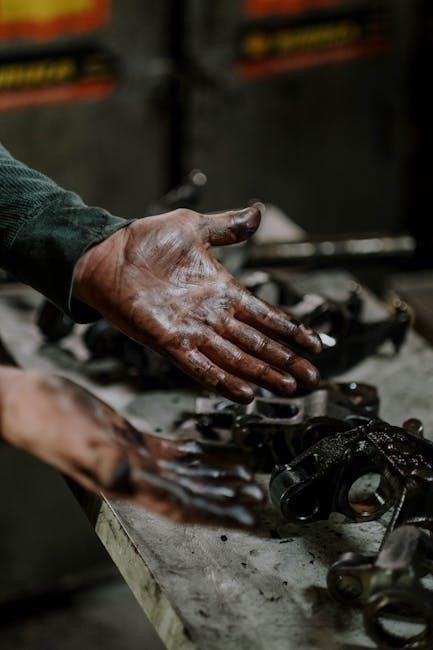
These skills demand precision and timing. Rev matching smooths transitions, while heel-toe allows simultaneous braking and downshifting – crucial for performance driving. Like financial planning, continuous learning refines your abilities, unlocking a deeper connection with your vehicle and the road.
Rev Matching for Smoother Downshifts
Eliminate the jerk! Rev matching synchronizes engine speed with the lower gear, creating seamless downshifts – a skill mirroring a financial advisor’s market timing. Briefly blip the throttle while disengaging the clutch, raising RPMs to match the next gear’s anticipated speed.
This reduces stress on the drivetrain and enhances control, much like a well-managed investment minimizes risk. Practice makes perfect; consistent rev matching transforms gear changes from abrupt to fluid, improving driving experience.
Heel-Toe Downshifting Explained

Advanced technique unlocked! Heel-toe downshifting, like a seasoned financial planner diversifying a portfolio, combines braking and throttle control for smooth cornering. Use the ball of your foot to brake, while simultaneously “blipping” the throttle with your heel.
This maintains engine RPM during downshifts, preventing unsettling weight transfer. Mastering this requires practice, but the reward is enhanced control and a more engaging driving experience, akin to expertly navigating complex market conditions.
Emergency Stop Procedures in a Manual Vehicle
Reacting swiftly is crucial! Unlike an automatic, an emergency stop in a manual requires coordinated action. Depress the clutch immediately to prevent stalling, then apply firm, consistent brake pressure – similar to a financial professional mitigating risk during a market downturn.
Steer to safety while braking, and once slowed sufficiently, shift to neutral. Remember, maintaining control is paramount. Practice this maneuver in a safe environment to build muscle memory, ensuring a composed response when it truly matters.
Maintaining a Manual Transmission Vehicle
Proactive maintenance extends lifespan! Like a diversified investment portfolio, regular upkeep prevents costly issues. Clutch wear is inevitable; listen for slippage – a sign of impending replacement. Gearbox oil changes, typically every 30,000-60,000 miles, ensure smooth operation, akin to a financial advisor’s regular portfolio review.
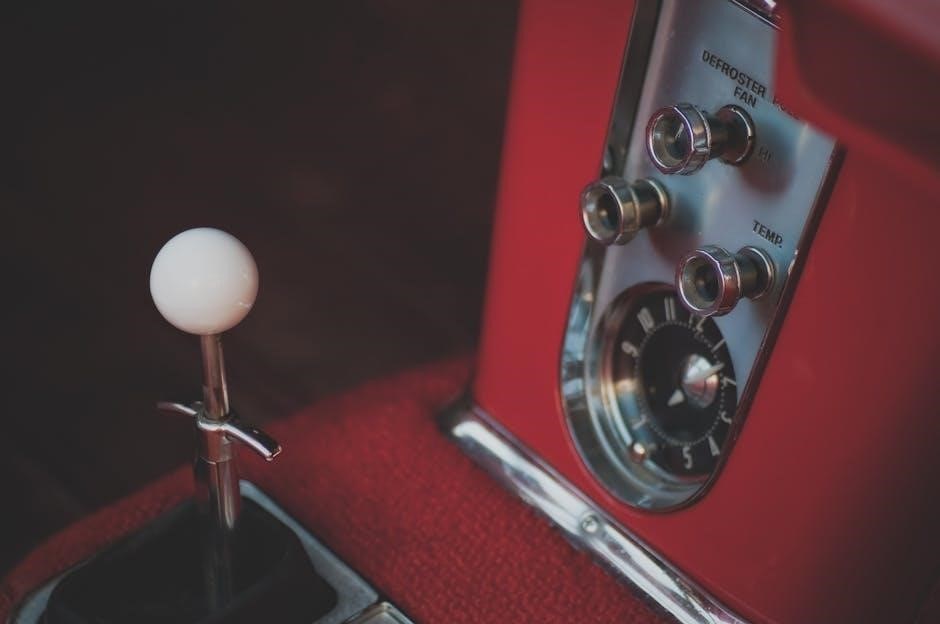
Regular checks of linkages and fluid levels are vital. Addressing small issues promptly, mirroring sound financial planning, avoids larger, more expensive repairs down the road. Prioritize preventative care!
Clutch Wear & Replacement
Clutch lifespan varies! Driving habits significantly impact wear – aggressive shifting accelerates it. Slippage, noticeable during acceleration, is a key indicator. A burning smell also suggests overheating and potential damage. Replacement is a significant expense, comparable to unexpected financial burdens.
Costs include parts and labor, ranging from $500 to $2000+. Consider a quality clutch kit for longevity. Proper break-in is crucial; avoid harsh driving initially; Regular inspection, like prudent financial monitoring, prevents catastrophic failure.
Gearbox Oil Changes
Maintaining gearbox oil is vital! Like regular financial check-ups, it ensures smooth operation and prevents costly repairs. Oil lubricates gears, reducing friction and wear. Frequency depends on vehicle and usage – typically every 30,000 to 60,000 miles. Check your owner’s manual for specifics.
Signs of needing a change include difficulty shifting or a whining noise. DIY changes are possible with basic tools, but professional service guarantees proper disposal and filling. Neglecting this maintenance, similar to ignoring financial planning, leads to long-term problems.
Regular Maintenance Checks
Proactive checks are key! Just as Melissa Horton advises regular financial reviews, your manual transmission needs consistent attention. Inspect the clutch pedal for smooth operation and check for unusual noises during gear changes. Monitor for leaks around the gearbox and driveshaft.
Regularly examine shift linkage for wear and tear. Address small issues promptly – ignoring them, like neglecting investments, can escalate into major, expensive problems. Consistent care extends the life of your transmission and ensures a pleasurable driving experience.