
The “No Bad Parts” workbook, based on Internal Family Systems, offers a self-led journey toward self-understanding and healing, often available as a PDF download․
What is the “No Bad Parts” Workbook?
The “No Bad Parts” Workbook is a practical guide rooted in the principles of Internal Family Systems (IFS)․ It’s designed to help individuals explore their internal world, recognizing that seemingly negative emotions and behaviors stem from protective “parts” within themselves․ Often found as a readily accessible PDF, the workbook provides a structured, self-paced approach to understanding these parts—Managers, Firefighters, and Exiles—and fostering self-compassion․
Unlike traditional therapy, it empowers self-discovery through exercises and prompts․ The PDF format allows for convenient access and repeated use, making it a valuable tool for anyone seeking deeper self-awareness and emotional healing․ It’s a journey towards internal harmony, not fixing brokenness․
The Core Philosophy: Internal Family Systems (IFS)
Internal Family Systems (IFS) posits that the mind is naturally comprised of multiple “parts,” each with its own unique perspective, feelings, and motivations․ These aren’t seen as pathological, but rather as sub-personalities developed to help us navigate life․ The “No Bad Parts” Workbook is fundamentally built upon this premise․
IFS views even seemingly destructive behaviors as stemming from good intentions – parts trying to protect us from pain․ Understanding this is key․ The workbook, often accessed as a PDF, guides users to identify, understand, and ultimately, befriend these parts, fostering inner acceptance and healing, rather than suppression․

Understanding Internal Family Systems
IFS views the psyche as a system of parts, each with a role, and a core “Self․” The “No Bad Parts” Workbook PDF explores this model deeply․
The Concept of “Parts”
Internal Family Systems (IFS) posits that our minds aren’t monolithic; rather, they are comprised of various “parts․” These aren’t fragmented personality disorders, but distinct aspects of ourselves․ The “No Bad Parts” Workbook PDF meticulously details these parts, categorizing them broadly into Managers, Firefighters, and Exiles․
Managers attempt to control and regulate emotions, striving for stability․ Firefighters impulsively react to painful feelings, often through destructive behaviors․ Exiles hold the pain and trauma from past experiences․ Crucially, IFS—and the workbook—emphasizes that all parts have positive intentions, even if their methods are unhelpful․ Understanding these roles is central to the healing process facilitated by the workbook․
Identifying Your Internal Family
The “No Bad Parts” Workbook PDF guides you through exercises designed to discern the members of your internal family․ It encourages mindful self-observation, prompting you to notice the different voices, feelings, and impulses within․ You’ll learn to differentiate between your Manager parts – those striving for control – and your Firefighter parts, reacting to emotional distress․
The workbook utilizes journaling prompts and visualization techniques to help you identify Exiled parts carrying past wounds․ It’s a process of gentle curiosity, not judgment, fostering self-compassion as you map your internal landscape and recognize the unique roles each part plays․
The “Self” – Your Core Essence
The “No Bad Parts” Workbook PDF emphasizes discovering your “Self,” the compassionate core within, unburdened by parts’ narratives․ IFS posits the Self possesses qualities like clarity, calmness, curiosity, and connectedness․ The workbook’s exercises aim to help you access this inner wisdom, shifting from a parts-dominated state to a Self-led one․
Through guided meditations and reflective prompts, you’ll learn to recognize the Self’s presence, even amidst emotional turmoil․ It’s about cultivating a secure base from which to relate to your parts with empathy and understanding, fostering inner harmony and resilience․

Accessing and Utilizing the “No Bad Parts” Workbook
The “No Bad Parts” Workbook is readily available as a PDF for download, offering accessible IFS exercises to promote self-discovery and emotional wellbeing․
Finding a PDF Version of the Workbook
Locating a PDF version of the “No Bad Parts” workbook is often the first step for individuals eager to begin their Internal Family Systems (IFS) journey․ Numerous online resources offer downloadable copies, though verifying the source’s legitimacy is crucial to ensure you receive the complete and accurate workbook content․
A simple web search using terms like “No Bad Parts workbook PDF download” will yield several results․ Be cautious of websites requesting personal information or offering the workbook for a fee, as many legitimate sources provide it freely․ Always scan downloaded files with antivirus software before opening them․ Exploring official IFS-related websites or trusted mental health resource platforms can also lead you to a safe and reliable PDF version of this transformative workbook․
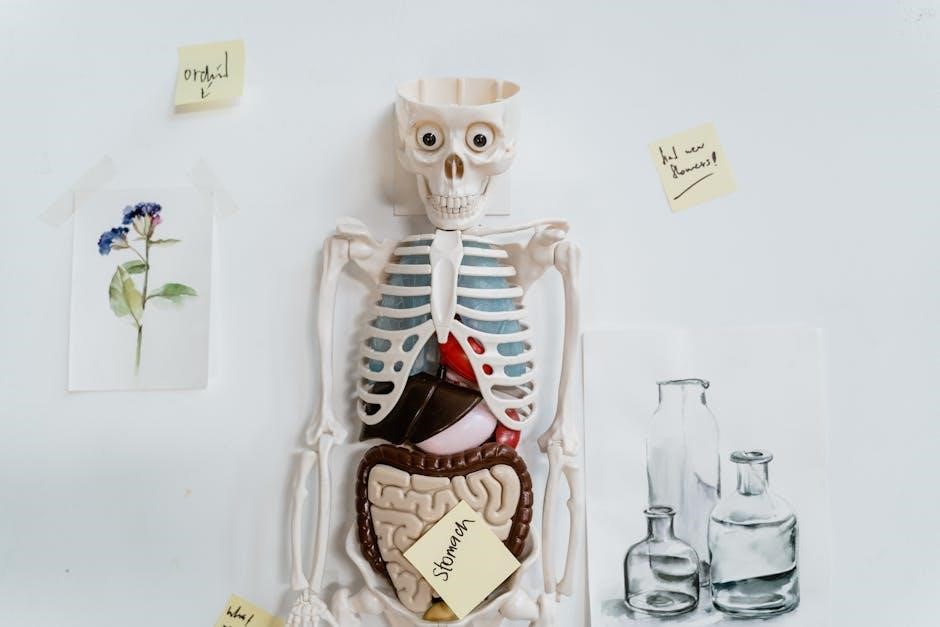
Workbook Structure and Chapters Overview
The “No Bad Parts” workbook is thoughtfully structured to guide users through a progressive exploration of their internal world, utilizing the principles of Internal Family Systems (IFS)․ Typically, the workbook begins with foundational concepts, introducing the idea of “parts” and the “Self․”
Subsequent chapters delve into identifying different types of parts – protectors, exiles, and managers – and learning to understand their roles and motivations․ Exercises progressively build upon each other, encouraging self-compassion and acceptance․ The workbook culminates in strategies for integrating these insights, fostering inner harmony and a more unified sense of self․ Each chapter includes prompts and exercises designed for self-discovery․
Navigating the Exercises and Prompts
The “No Bad Parts” workbook’s exercises are designed to be approached with curiosity and self-compassion, not as tasks to “fix” oneself․ Prompts encourage gentle exploration of internal experiences, inviting you to observe your parts without judgment․
It’s crucial to allow ample time for each exercise and to honor any emotional responses that arise․ The PDF version often includes journaling space for reflection․ Remember, there’s no “right” way to complete them; the goal is increased self-awareness․ If an exercise feels overwhelming, it’s okay to pause and revisit it later․

Key Exercises within the Workbook
The “No Bad Parts” workbook PDF guides users through exercises focusing on protector, exiled, and manager parts, fostering self-compassion and inner healing․
Exploring Your “Protector” Parts
The “No Bad Parts” workbook PDF dedicates significant space to understanding your “Protector” parts – those sub-personalities that step in to shield you from emotional pain․ These protectors aren’t inherently negative; they developed to keep you safe, often in childhood․ Exercises guide you to identify how your protectors operate – are they critical, controlling, or perhaps distancing?
The workbook prompts you to explore the intentions behind their behaviors; What fears are they trying to prevent? Recognizing their positive motivations is crucial․ You’ll learn to thank them for their service, acknowledging their efforts while gently exploring if their strategies are still serving you in the present moment․ This fosters self-compassion and opens the door to more adaptive coping mechanisms․
Working with “Exiled” Parts and Healing Trauma
The “No Bad Parts” workbook PDF guides you toward connecting with your “Exiled” parts – those carrying the burdens of past trauma and painful experiences․ These parts are often young and vulnerable, holding intense emotions like shame, fear, and sadness․ The workbook emphasizes approaching these parts with curiosity and compassion, not judgment․
Exercises involve visualizing and communicating with your exiled parts, offering them the understanding and care they lacked in the past․ It’s a process of unblending – separating from the intensity of the exiled parts’ emotions – and allowing the “Self” to offer healing presence․ This isn’t about fixing the past, but befriending those inner experiences․
Uncovering Your “Manager” Parts
The “No Bad Parts” workbook PDF helps identify your “Manager” parts – those striving to maintain control and prevent the pain of “Exiled” parts from surfacing․ These parts often manifest as perfectionism, control, criticism, or workaholism․ They believe controlling your inner and outer world will keep you safe․
The workbook’s exercises encourage observing these patterns without self-judgment․ You’ll learn to recognize how Managers attempt to protect you, even if their methods are ultimately unhelpful․ Understanding their positive intentions is key․ It’s about acknowledging their efforts and gently exploring alternative, more compassionate strategies․

Benefits of Using the Workbook
The “No Bad Parts” workbook PDF fosters self-compassion, emotional regulation, and inner harmony by helping you understand and accept all aspects of yourself․
Increased Self-Awareness and Compassion
Utilizing the “No Bad Parts” workbook PDF significantly enhances self-awareness by guiding you to identify and understand your internal “parts”—the various sub-personalities within․ This process isn’t about judgment, but rather compassionate curiosity․ You begin to recognize the protective roles each part plays, even those exhibiting seemingly negative behaviors․
The workbook encourages a shift from self-criticism to self-compassion, acknowledging that all parts have positive intentions, stemming from past experiences․ By understanding why a part behaves a certain way, you cultivate empathy for yourself, fostering a more accepting and loving inner dialogue․ This increased awareness and compassion are foundational for healing and growth․
Improved Emotional Regulation
Working through the “No Bad Parts” workbook PDF equips you with tools to navigate intense emotions more effectively․ By identifying the “parts” driving emotional reactions – particularly “protectors” and “exiled” parts – you gain distance from overwhelming feelings․ The workbook teaches you to observe emotions without getting swept away by them․
Understanding the underlying needs of each part allows you to respond to emotional triggers with greater calm and intentionality․ Instead of reacting impulsively, you can offer self-compassion and address the root causes of emotional distress, leading to improved emotional stability and resilience․
Strengthening the “Self” and Inner Harmony
Utilizing the “No Bad Parts” workbook PDF fosters a deeper connection to your core “Self”—the compassionate, confident, and curious essence within․ As you unblend from your parts, the Self’s qualities naturally emerge, promoting inner peace and a sense of wholeness․
The workbook’s exercises guide you in accessing this inner wisdom, allowing you to lead your internal system with kindness and clarity․ This process cultivates self-trust and reduces internal conflict, ultimately strengthening your sense of inner harmony and overall well-being․

Potential Challenges and How to Overcome Them
Working through the “No Bad Parts” workbook PDF can evoke resistance from parts and difficult emotions; patience, self-compassion, and support are key․
Dealing with Resistance from Parts
As you engage with the “No Bad Parts” workbook PDF, encountering resistance from internal parts is entirely normal․ These parts, often protectors, may fear vulnerability or change, manifesting as self-doubt, distraction, or even physical discomfort․ Acknowledge their concerns without judgment; they have valid reasons for their behavior․
Instead of forcing exploration, gently inquire about their fears․ What are they trying to protect you from? Offer reassurance and validate their role․ Remember, the goal isn’t to eliminate parts, but to understand and collaborate with them․ Slow down, practice self-compassion, and revisit challenging exercises when you feel more grounded․
Navigating Difficult Emotions
Working through the “No Bad Parts” workbook PDF can stir up intense emotions – sadness, anger, shame, or fear․ This is a sign of accessing deeply held wounds․ It’s crucial to approach these feelings with self-compassion and without judgment․ Allow yourself to feel them fully, recognizing they are messages from your exiled parts․
Practice grounding techniques like deep breathing or mindful observation to stay present․ If emotions become overwhelming, pause the exercise and engage in self-soothing activities․ Remember, healing isn’t linear; it’s okay to take breaks and proceed at your own pace․
Seeking Support When Needed
While the “No Bad Parts” workbook PDF is designed for self-exploration, recognizing your limits is vital․ If you encounter significant trauma or feel consistently overwhelmed, seeking professional support is highly recommended․ A trained IFS therapist can provide guidance and facilitate deeper healing․
Additionally, connecting with online IFS communities or support groups can offer validation and shared experiences․ Remember, you don’t have to navigate this journey alone․ Prioritizing your well-being and accessing appropriate resources demonstrates self-compassion and strengthens your healing process․

Resources to Complement the Workbook
Explore IFS therapy options, online forums, and recommended books to deepen your understanding and integrate the principles from the “No Bad Parts” workbook PDF․
IFS Therapy and Practitioners
While the “No Bad Parts” workbook PDF provides a powerful self-help tool rooted in Internal Family Systems (IFS), seeking guidance from a trained IFS therapist can significantly enhance your journey․ A therapist offers a safe and supportive space to navigate complex internal dynamics and address deeply held wounds․
They can provide personalized support, facilitate deeper exploration of your parts, and help you unburden exiled parts with greater efficacy․
Resources like the IFS Institute website (ifs-institute․com) offer directories to locate certified IFS practitioners near you․ Consider their experience and approach to ensure a good fit for your individual needs and goals when working through the workbook’s exercises․
Online IFS Communities and Forums
Embarking on the “No Bad Parts” workbook journey can be profoundly personal, yet connecting with others practicing IFS offers invaluable support and shared learning․ Numerous online communities and forums provide spaces to discuss experiences, ask questions, and gain insights from fellow travelers․
These platforms foster a sense of belonging and normalize the process of internal exploration․
Reddit’s r/IFScommunity and Facebook groups dedicated to IFS and the workbook are excellent starting points․ Remember to prioritize respectful communication and maintain appropriate boundaries within these online spaces while utilizing the PDF workbook․
Recommended Books and Articles on IFS
To deepen your understanding alongside the “No Bad Parts” workbook, exploring foundational IFS literature is highly beneficial․ Richard Schwartz’s “Internal Family Systems Therapy” provides a comprehensive overview of the model’s theory and practice, serving as a cornerstone resource․
“Self Leadership” by Schwartz offers practical guidance for self-application of IFS principles․

Numerous articles and online resources further illuminate specific aspects of IFS, complementing the workbook’s exercises․ These materials enhance comprehension and support the healing journey initiated by the PDF workbook․