Minn Kota Trolling Motor Wiring Guide: A Comprehensive Plan (Updated 12/13/2025)
Today’s date is 12/13/2025 07:34:20. This comprehensive guide assists in mastering Minn Kota wiring, ensuring optimal performance and a successful user experience.
Minn Kota has long been a leader in innovative trolling motor technology, providing anglers with precise boat control and enhanced fishing experiences. Understanding the electrical system is crucial for maximizing performance and ensuring longevity. This guide focuses on the wiring aspects of these motors, covering everything from basic connections to advanced features like i-Pilot and Talon deployment systems.
Proper wiring ensures reliable power delivery, preventing frustrating issues on the water. Whether you’re dealing with a 12V, 24V, or 36V system, this resource will demystify the process. We’ll explore wiring diagrams, essential tools, and troubleshooting techniques. Successfully navigating these systems allows for years of dependable service from your Minn Kota investment.
Safety Precautions & Warnings
Electrical safety is paramount when working with Minn Kota trolling motor wiring. Always disconnect the battery before commencing any wiring work to prevent accidental shorts and potential injury. Use insulated tools and wear appropriate safety glasses. Ensure all connections are secure and properly sealed to avoid corrosion and electrical hazards.
Never work with damaged wiring or components. Inspect wires for fraying or cracking before each use. Avoid exposing wiring to excessive moisture or harsh chemicals. Improper wiring can lead to motor malfunction, battery damage, or even fire. If unsure about any aspect of the wiring process, consult a qualified marine electrician. Prioritize safety for a worry-free experience.
Understanding Trolling Motor Wiring Basics
Minn Kota trolling motor wiring fundamentally involves connecting the motor to a 12V, 24V, or 36V battery system. Voltage dictates power and speed; higher voltage means greater thrust. Wiring configurations differ based on the chosen voltage – 12V is a direct connection, while 24V and 36V utilize series connections to combine battery power.
Understanding polarity (positive and negative terminals) is crucial for correct operation. Incorrect polarity can damage the motor or control board. A wiring harness distributes power to the motor, foot pedal, and any integrated features like i-Pilot. Proper wire gauge is essential to handle the current draw without overheating.
Essential Tools & Materials
Successful Minn Kota wiring demands specific tools and materials. Wire strippers and crimpers are vital for preparing and connecting wires securely. A multimeter is indispensable for testing voltage, continuity, and identifying shorts. Heat shrink tubing and a sealant protect connections from corrosion and water damage, crucial in marine environments.
You’ll also need appropriately sized marine-grade wire (gauge determined by motor amperage), ring terminals, butt connectors, and a fuse holder with correctly rated fuses. Consider a wire labeling system for clarity. Safety glasses and gloves are recommended. Having these readily available streamlines the wiring process and ensures a reliable, long-lasting connection.
4.1 Wire Strippers & Crimpers
High-quality wire strippers and crimpers are foundational for secure Minn Kota wiring. Select strippers with adjustable depth settings to avoid damaging the wire’s core. Crimpers must create a gas-tight connection with marine-grade terminals, preventing corrosion and resistance. Insulated handles enhance safety, minimizing electrical shock risk.
Ratchet crimpers offer consistent pressure, ensuring reliable connections. Consider a combination tool offering both stripping and crimping functions for convenience. Regularly inspect the blades for sharpness and replace them when needed. Proper tool maintenance guarantees clean cuts and robust crimps, vital for a dependable trolling motor system.
4.2 Multimeter for Testing
A digital multimeter is indispensable for diagnosing Minn Kota wiring issues. It verifies voltage, checks for continuity, and measures resistance, pinpointing faults quickly. Before testing, ensure the multimeter is set to the correct range and mode. Always disconnect the power source before probing wiring to prevent damage or personal injury.
Testing voltage confirms power reaches the motor and components. Continuity tests identify broken wires or loose connections. Resistance measurements reveal shorts or excessive resistance. Familiarize yourself with the multimeter’s functions and safety precautions. Accurate readings are crucial for effective troubleshooting and maintaining a reliable trolling motor system.
4.3 Heat Shrink Tubing & Sealant
Heat shrink tubing provides crucial insulation and protection for Minn Kota wiring connections, safeguarding against corrosion and short circuits. Applying it after crimping or soldering creates a watertight seal, vital in marine environments. Select tubing sized appropriately for the wire gauge and connector. Use a heat gun for even shrinking, avoiding direct flame.
Marine-grade sealant further enhances waterproofing, especially at terminal connections and wire entry points. Apply sparingly to prevent contamination inside components. Regularly inspect sealant for cracks or deterioration, reapplying as needed. These preventative measures significantly extend wiring lifespan and ensure reliable trolling motor operation, minimizing future issues.
Wiring Diagrams Overview (12V, 24V, 36V)
Understanding wiring configurations is paramount for safe and effective Minn Kota trolling motor operation. 12-volt systems utilize a single battery, offering simplicity for smaller boats. 24-volt systems connect two batteries in series, increasing power and runtime – ideal for moderate-sized vessels. 36-volt systems employ four batteries in series, delivering maximum power for larger boats and demanding conditions.
Each voltage requires a specific wiring layout. Diagrams illustrate proper battery connections, wiring harness routing, and fuse placement. Always consult the diagram corresponding to your motor’s voltage. Incorrect wiring can cause damage or pose a safety hazard. Prioritize clarity and accuracy during installation.
12-Volt System Wiring
Wiring a 12-volt Minn Kota trolling motor is the simplest configuration, utilizing a single battery as its power source. Positive and negative terminals must be correctly identified and connected to the motor’s corresponding wires, ensuring proper polarity. A fuse should be installed as close to the battery as possible to protect the system from overcurrent.
Foot pedal wiring connects to the motor’s control board, enabling speed and directional control. Ensure secure connections and proper wire routing to prevent interference. Double-check all connections before powering on the motor. A clean, organized wiring setup enhances reliability and simplifies troubleshooting.
6.1 Battery Connection – Positive & Negative
Establishing a secure battery connection is paramount for safe and efficient operation. Begin by identifying the positive (+) and negative (-) terminals on both the battery and the trolling motor. Connect the red wire from the motor to the positive terminal and the black wire to the negative terminal, ensuring a tight fit.
Always use appropriately sized ring terminals and ensure they are crimped securely to the wires. A corroded connection can impede performance, so consider applying dielectric grease. Double-check polarity before proceeding; reversed polarity can damage the motor’s electronics. Finally, secure the battery to prevent movement during operation.
6.2 Foot Pedal Wiring Configuration
The foot pedal controls speed and steering, requiring precise wiring. Typically, a multi-conductor cable connects the foot pedal to the trolling motor’s control board. Identify each wire’s function – often color-coded – referencing your motor’s wiring diagram.
Ensure secure connections at both the pedal and motor ends, utilizing proper crimping techniques. Incorrect wiring can lead to unresponsive controls or erratic motor behavior. Test the pedal’s functionality after connection, verifying smooth speed control and responsive steering. If issues arise, carefully re-examine the wiring diagram and connections.
24-Volt System Wiring – Series Connection
A 24-volt system utilizes two 12-volt batteries connected in series to double the voltage. Connect the positive terminal of the first battery to the negative terminal of the second battery. This series connection increases voltage while maintaining the same amp-hour capacity.
Proper polarity is crucial; reversing connections can damage the motor. Use heavy-gauge cables to handle the increased current. Securely connect the remaining negative and positive terminals to the trolling motor and a charging source. Double-check all connections before operation to ensure a safe and efficient system.
7.1 Connecting Batteries in Series
To connect batteries in series for a 24-volt system, begin by positioning the batteries close together. Take a heavy-gauge cable and connect the positive (+) terminal of the first battery to the negative (-) terminal of the second battery. This establishes the series connection, increasing voltage.
Ensure a secure and tight connection at both terminals to minimize resistance. Avoid loose connections which can cause voltage drop and overheating. Use appropriate connectors and consider applying dielectric grease for corrosion protection. Verify polarity before proceeding, as reversed polarity can cause damage.
7.2 Wiring Harness Installation (24V)
After connecting batteries in series, carefully install the 24-volt wiring harness. Connect the main power leads from the harness to the positive (+) and negative (-) terminals of the battery series. Ensure proper polarity is maintained throughout the connection process.
Securely route the wiring harness away from moving parts and sharp edges to prevent damage. Utilize cable ties or clamps to maintain organization and prevent chafing. Connect the foot pedal wiring and any other accessory wiring according to the Minn Kota diagram. Double-check all connections before powering on the system.
36-Volt System Wiring – Series Connection (Two Pairs)
A 36-volt system requires two pairs of batteries connected in series. First, connect two batteries in series as described for a 24-volt system, forming the first pair. Repeat this process with the remaining two batteries, creating the second series pair. Then, connect these two pairs in series to achieve the desired 36-volt output.
Carefully connect the wiring harness to the combined battery setup, ensuring correct polarity. Secure all connections tightly and protect wiring from damage. Double-check the entire configuration before initial use, verifying proper voltage and functionality. Proper wiring is crucial for optimal performance and longevity.
Minn Kota Talon Wiring – Specific Considerations
Talon deployment systems demand robust and reliable wiring due to their high current draw. Ensure the wiring gauge is appropriately sized to handle the Talon’s amperage requirements, preventing overheating and voltage drop. Utilize high-quality marine-grade wiring and connectors, resistant to corrosion and vibration.
Pay close attention to the Talon’s dedicated wiring harness, following the manufacturer’s instructions meticulously. Securely mount the wiring to prevent strain and damage during deployment and retraction. Proper grounding is essential for safe and efficient operation. Congratulations on your new Minn Kota Talon, and enjoy the enhanced boating experience!
CoPilot Trolling Motor Wiring
CoPilot systems require careful wiring integration for seamless remote control functionality. Begin by identifying the dedicated CoPilot wiring harness and connector. Ensure proper polarity when connecting to the main trolling motor power supply. Securely route the wiring, avoiding pinch points and potential damage from steering mechanisms.
Double-check all connections for tightness and corrosion resistance. Test the remote functionality after wiring to confirm proper operation. Refer to the Minn Kota CoPilot manual for specific wiring diagrams and troubleshooting tips. Enjoy the convenience and precision of your CoPilot system!
i-Pilot & i-Pilot Link Wiring Integration
Integrating i-Pilot or i-Pilot Link demands precise wiring for optimal GPS and smart features. Locate the designated i-Pilot/i-Pilot Link wiring harness and connector. Connect the harness to the trolling motor’s control board, ensuring a secure fit. Properly route the wiring, shielding it from interference and physical damage.
Verify correct polarity and connection tightness. Test the GPS module and remote control functionality post-wiring. Consult the Minn Kota i-Pilot manual for detailed diagrams and troubleshooting. Enjoy the advanced features of automated steering, spot-lock, and autopilot!
11.1 GPS Module Connection
GPS Module Connection
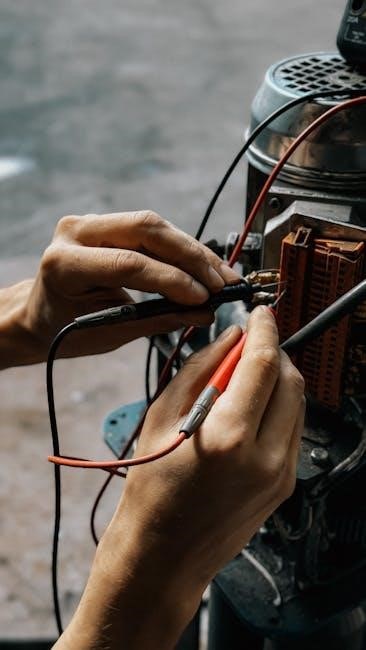
Connecting the GPS module is crucial for i-Pilot and i-Pilot Link functionality. Locate the GPS module and its corresponding wiring harness. Carefully connect the harness to the trolling motor’s control board, matching the pin assignments precisely. Ensure a secure and waterproof connection to prevent signal loss or corrosion.

Route the GPS antenna cable away from the motor and power cables to minimize interference. Proper antenna placement is vital for accurate GPS signal reception. Test the GPS signal strength after connection to confirm functionality. Refer to the Minn Kota manual for specific wiring diagrams and troubleshooting tips.
11.2 Remote Control Wiring
Remote Control Wiring
Integrating the remote control enhances the i-Pilot and i-Pilot Link experience. Identify the remote control’s wiring harness and locate the corresponding port on the trolling motor’s control board. Connect the harness carefully, ensuring proper pin alignment for seamless communication.
Secure the wiring to prevent accidental disconnection during operation. Test the remote control’s functionality after connection, verifying all buttons and features are responsive. Pay attention to polarity during connection to avoid damaging the control system. Consult the Minn Kota manual for detailed wiring diagrams and troubleshooting assistance.
Troubleshooting Common Wiring Issues
Addressing wiring problems is crucial for maintaining optimal trolling motor function. Begin by visually inspecting all connections for corrosion, looseness, or damage. Utilize a multimeter to test for continuity and voltage at various points in the wiring system. Common issues include loose connections, corroded terminals, and broken wires.
If the motor lacks power, check the battery connections, fuses, and wiring harness. Intermittent operation often indicates a loose connection or damaged wire. Always disconnect the power before performing any troubleshooting or repairs. Refer to the Minn Kota manual for specific troubleshooting steps and diagrams.
12.1 No Power to Motor
A lack of power to your Minn Kota trolling motor typically stems from a few key areas. First, verify the battery is fully charged and properly connected – positive to positive, negative to negative. Next, inspect the main fuse, often located near the battery, for any signs of blowing. Check all wiring connections, ensuring they are clean, tight, and free from corrosion.
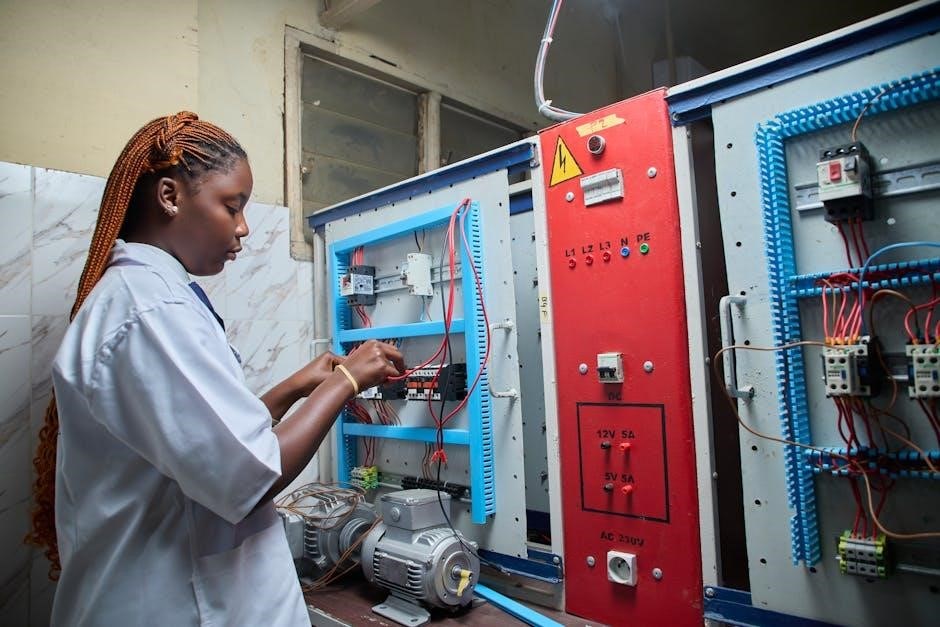
Use a multimeter to test voltage at the battery terminals and then progressively along the wiring harness towards the motor. A break in continuity indicates a damaged wire or faulty connection. Consult the wiring diagram to pinpoint the exact location of the issue.
12.2 Intermittent Motor Operation
Intermittent motor function suggests a loose connection or a failing component. Begin by thoroughly inspecting all wiring connections, particularly those exposed to vibration or movement. Wiggle the wiring harness while the motor is running to see if it triggers the issue, indicating a faulty connection. Corrosion is a common culprit; clean all terminals with a wire brush or sandpaper.
A failing foot pedal or the motor’s internal speed control can also cause this. Test the foot pedal for consistent resistance and proper signal transmission. Use a multimeter to check for voltage drops across connections during operation, revealing potential problems.
Replacing Damaged Wiring
Damaged wiring compromises safety and performance; prompt replacement is crucial. Always disconnect the battery before starting any wiring repairs. Identify the damaged section – look for cracks, fraying, or corrosion; Cut out the damaged portion, leaving enough wire on both ends for a secure connection.
Use marine-grade wiring of the same gauge as the original. Crimp new connectors securely, ensuring a tight fit. Heat shrink tubing provides excellent protection against corrosion and moisture. Properly route the new wiring, avoiding sharp bends or contact with moving parts. Double-check all connections before reconnecting the battery.
Understanding Wire Gauge & Ampacity
Wire gauge dictates the amount of electrical current a wire can safely handle – its ampacity. Lower gauge numbers indicate thicker wires with higher ampacity. Minn Kota motors demand specific wire gauges based on voltage and thrust. Using undersized wires can cause overheating, voltage drop, and motor inefficiency.
Consult the Minn Kota wiring chart to determine the correct gauge for your setup. Consider wire length; longer runs require thicker gauges to minimize voltage loss. Marine-grade tinned copper wire is essential for corrosion resistance. Always prioritize safety by selecting a wire gauge that exceeds the motor’s maximum amp draw.
Using a Multimeter to Test Wiring Continuity
A multimeter is crucial for diagnosing wiring issues in your Minn Kota trolling motor. Continuity testing verifies a complete electrical path between two points. Disconnect the battery before testing! Set the multimeter to the continuity setting (often symbolized by a diode or sound wave).
Touch the probes to the beginning and end of the wire you’re testing. A beep or zero resistance reading indicates continuity. No beep or infinite resistance signifies a break in the wire. Check connections, terminals, and the wire itself for damage. This simple test quickly identifies faulty wiring, saving time and frustration.
Fuse Installation & Replacement
Fuses protect your Minn Kota trolling motor from electrical damage. Always disconnect the battery before handling fuses! Locate the fuse holder, typically near the battery connection. Remove the blown fuse – it will have a broken filament or a darkened glass window.
Replace it with a fuse of the exact same amperage rating. Using a higher amperage fuse can cause severe damage. Ensure the new fuse is securely seated in the holder. Regularly inspect fuses for corrosion or damage. Proper fuse maintenance is vital for safe and reliable operation of your trolling motor.
Battery Charger Wiring & Connection
Proper battery charging extends the life of your Minn Kota trolling motor batteries. Always connect the charger to the battery before plugging it into the AC power source. Observe correct polarity – red to positive (+), black to negative (-). Use a charger specifically designed for marine deep-cycle batteries.
Ensure the charging area is well-ventilated to prevent gas buildup. Avoid charging batteries in enclosed spaces. Disconnect the charger from the AC power source before disconnecting it from the battery. Regularly inspect charger cords for damage and replace if necessary for safety.
Wiring for Digital Maximizer Technology
Minn Kota’s Digital Maximizer technology delivers extended battery life and consistent power. Wiring for this system requires careful attention to the color-coded wires. Typically, a dedicated harness connects the motor head to the battery, incorporating the Digital Maximizer module. Ensure secure connections at all points, utilizing heat shrink tubing for weatherproofing.
Verify proper voltage compatibility between the battery system (12V, 24V, or 36V) and the Digital Maximizer module. Incorrect wiring can damage the module or reduce its efficiency. Consult the specific wiring diagram for your motor model to confirm correct connections and avoid potential issues. Double-check polarity before finalization.
Minn Kota Universal Sonar 2 Wiring
The Universal Sonar 2 integrates seamlessly with Minn Kota trolling motors, providing clear fish-finding capabilities. Wiring involves connecting the sonar unit to the trolling motor’s power supply, typically utilizing a designated port or harness. Ensure the sonar’s voltage requirements match the trolling motor’s battery system (12V, 24V, or 36V) to prevent damage.
Proper grounding is crucial for optimal sonar performance and to minimize interference. Follow the sonar’s installation manual carefully, paying attention to wire colors and connection points. Secure all connections with waterproof connectors or heat shrink tubing. Testing the sonar after installation confirms proper functionality and signal clarity.
Wiring for Bow Mount Trolling Motors
Bow mount trolling motors require careful wiring due to their location and movement. The primary wiring connects the motor to the boat’s battery, often through a quick-disconnect plug for easy removal. Ensure sufficient wire gauge to handle the motor’s amperage draw, preventing overheating and voltage drop. Route the wiring neatly along the boat’s gunwales, securing it with cable ties to avoid entanglement.
Foot pedal wiring is essential for steering and speed control, connecting to the motor via a multi-pin connector. Properly shield the wiring to minimize interference from other boat electronics. Regularly inspect the wiring for damage or corrosion, especially at connection points.
Wiring for Transom Mount Trolling Motors
Transom mount trolling motors present unique wiring challenges due to their positioning and exposure to water. Securely route the wiring from the battery to the motor, avoiding sharp bends or strain. Utilize marine-grade wiring and connectors designed to withstand the harsh marine environment. A watertight strain relief where the wire enters the motor housing is crucial to prevent water intrusion.
Consider a quick-disconnect plug for easy motor removal and storage. Ensure the wiring is adequately fused to protect against short circuits. Regularly inspect the wiring for signs of corrosion or damage, and replace any compromised components promptly.

Maintaining Your Trolling Motor Wiring
Regular inspection is key to maintaining reliable trolling motor wiring. Check connections for corrosion, ensuring they are clean and tight. Apply dielectric grease to connections to prevent future corrosion and improve conductivity. Inspect the wiring harness for any signs of damage, such as cracks or fraying, and repair or replace as needed.
Periodically clean the wiring with a mild detergent and water, rinsing thoroughly. After each use, especially in saltwater, rinse the wiring to remove salt buildup. Store the motor with the wiring properly coiled and protected from the elements, extending its lifespan.
Frequently Asked Questions (FAQ)
Q: What wire gauge should I use? A: Use a gauge appropriate for your motor’s amperage and battery distance – consult the ampacity chart. Q: Can I use regular wire connectors? A: No, marine-grade, heat-shrink connectors are essential for corrosion resistance. Q: How often should I inspect wiring? A: Inspect before each use, and thoroughly at the start of each season.
Q: What if my motor isn’t getting power? A: Check the fuse, battery connections, and wiring continuity with a multimeter. Q: Is dielectric grease necessary? A: Yes, it prevents corrosion and ensures reliable connections. Q: Where can I find wiring diagrams? A: Refer to your Minn Kota manual or the official website.

Resources & Further Information
Minn Kota Official Website: https://www.minnkotamotors.com/ provides detailed manuals, FAQs, and troubleshooting guides. Johnson Outdoors Marine Electronics: Explore their support section for additional resources. Online Forums: Bass Boat Central and similar forums offer valuable community insights and shared experiences with Minn Kota wiring.

YouTube Channels: Search for “Minn Kota wiring” to find helpful video tutorials demonstrating wiring procedures. Marine Electrical Specialists: Consider consulting a certified marine electrician for complex installations or repairs. Retailer Support: Bass Pro Shops and Cabela’s offer expert advice and assistance with Minn Kota products.