Climbing Harness Size Guide: A Comprehensive Overview (Updated 12/13/2025)
Navigating the world of climbing requires the right gear, and a properly fitted harness is paramount for safety and comfort․ This guide provides detailed information,
covering sizing, brand specifics, and fit adjustments for all climbers, ensuring a secure and enjoyable experience on any terrain․
Understanding Climbing Harnesses
Climbing harnesses are fundamental safety equipment, distributing force during a fall and connecting the climber to the rope system․ They’re not one-size-fits-all; understanding their construction and purpose is crucial․ Modern harnesses typically feature padded waist belts and leg loops for comfort, along with gear loops for carrying equipment like quickdraws and cams․
Harnesses vary based on climbing discipline․ Sport climbing harnesses prioritize comfort and freedom of movement, while trad harnesses often include more gear loops․ Mountaineering harnesses are designed to be used with bulky layers and may be fully featured․ Full body harnesses offer increased security, particularly for beginners or situations demanding maximum safety․ Choosing the right harness depends on your climbing style and intended use, ensuring optimal performance and protection throughout your climbing adventures․

Why Harness Size Matters
A correctly sized harness is non-negotiable for climber safety․ Too large, and the harness may ride up during a fall, potentially causing serious injury․ Too small, and it restricts movement and can be incredibly uncomfortable, hindering performance; Proper fit ensures the load is distributed correctly across the waist and legs, minimizing impact force during a fall event․
Beyond safety, sizing impacts comfort and efficiency․ A well-fitting harness allows for unrestricted movement, crucial for technical climbs․ It also prevents chafing and pressure points, enabling longer and more enjoyable climbing sessions․ Ignoring harness size can lead to decreased confidence and compromised technique․ Prioritizing a precise fit is an investment in both safety and overall climbing experience․
Types of Climbing Harnesses
Climbing harnesses are designed for specific disciplines, influencing their features and fit․ Sport climbing harnesses are lightweight with streamlined designs, prioritizing freedom of movement for dynamic climbing․ Trad climbing harnesses feature more gear loops to accommodate a larger rack of protection․
Mountaineering harnesses are robust, often with reinforced waistbelts for use with crampons and heavier loads, and may accommodate bulky clothing․ Full body harnesses, commonly used for children or individuals requiring additional security, distribute the load across the entire body․ Choosing the right type depends on your primary climbing style and intended use, impacting the necessary features and optimal fit․
Sport Climbing Harnesses
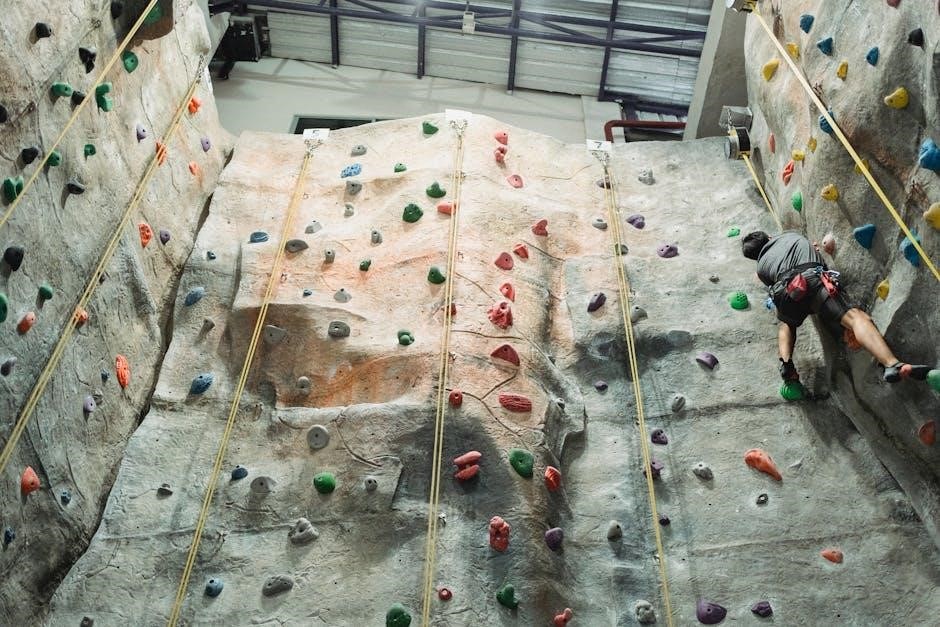
Sport climbing harnesses prioritize lightweight construction and freedom of movement, essential for dynamic movements on vertical terrain․ These harnesses typically feature a minimalist design with fewer gear loops than trad harnesses, focusing on agility․ They often boast thinner padding for reduced bulk and increased comfort during long climbs․
Look for adjustable leg loops to accommodate varying clothing layers․ Sport harnesses are ideal for gym climbing and single-pitch outdoor routes where extensive gear placement isn’t required․ A snug, yet comfortable fit is crucial, allowing unrestricted reach and efficient clipping․ Prioritize breathability and a streamlined profile for optimal performance․
Trad Climbing Harnesses
Trad climbing harnesses are built for carrying extensive gear, demanding ample gear loops and robust construction․ These harnesses typically feature four to six gear loops, strategically positioned for easy access to quickdraws, cams, and other essential equipment․ Reinforced tie-in points and durable materials are crucial for withstanding the rigors of multi-pitch climbs․
Padding is often more substantial than in sport harnesses, providing comfort during long belays and extended periods of hanging․ Adjustable leg loops and waist belts are vital for accommodating varying clothing layers and ensuring a secure fit․ Look for features like haul loops for attaching tag lines or lightweight packs, enhancing efficiency on complex routes․
Mountaineering Harnesses
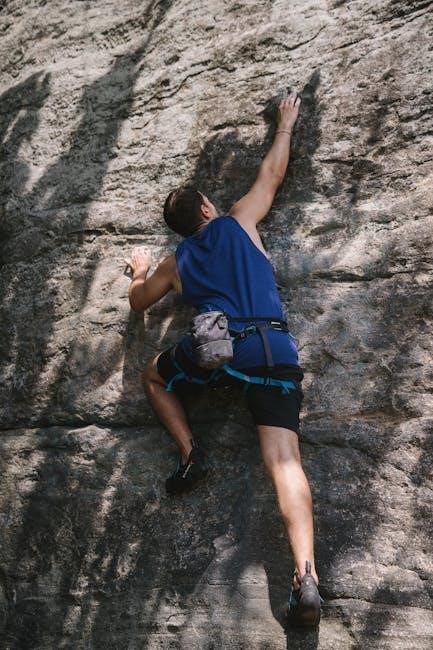
Mountaineering harnesses are designed to accommodate bulky clothing and rigid boots, prioritizing compatibility with mountaineering equipment․ These harnesses often feature adjustable leg loops that can open wide, allowing for easy donning and doffing over crampons and insulated pants․ Reinforced construction is essential for resisting abrasion from rocks and ice․
Many mountaineering harnesses include features like ice clipper slots for attaching ice tools and removable padding for versatility․ A key consideration is the ability to attach skis or a snowboard, making them suitable for ski mountaineering adventures․ Durability and weather resistance are paramount, ensuring reliable performance in harsh alpine environments․ Look for harnesses certified to relevant mountaineering standards;
Full Body Harnesses
Full body harnesses offer the highest level of security, distributing impact forces across the entire body during a fall․ These are particularly crucial for beginners, children, and individuals with a higher fall risk, providing comprehensive protection․ Unlike traditional waist harnesses, they incorporate leg loops and a chest strap for a secure, encompassing fit․
Full body harnesses are often mandated in certain climbing environments, such as via ferrata or when working at height․ They are also ideal for activities like canyoning or rescue operations where a secure, full-body connection is essential․ Ensure proper adjustment of all straps for optimal comfort and effectiveness․ Prioritize harnesses certified to relevant safety standards․
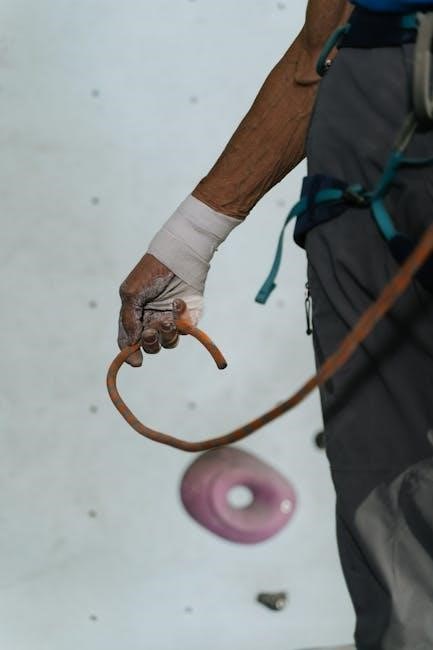
Measuring for a Climbing Harness
Accurate measurements of your waist and leg loops are critical for selecting the correct harness size․ Use a flexible measuring tape and wear typical climbing attire․
Waist Measurement
To determine your waist measurement, locate your natural waistline – typically just above your hip bones․ Wrap a flexible measuring tape around your waist, ensuring it sits comfortably and isn’t overly tight․ Maintain a level tape measure all the way around․ Record the measurement in inches or centimeters, depending on the sizing chart you’re using․
It’s crucial to measure yourself while wearing the type of clothing you’d typically wear while climbing, such as climbing pants or shorts with layers․ This will provide a more accurate representation of how the harness will fit․ Don’t simply rely on your pants size, as this can vary significantly between brands and styles․ Consider whether you’ll frequently be climbing with bulky layers, and adjust your measurement accordingly to accommodate them․
Leg Loop Measurement
Measuring your leg loops is equally important for a secure and comfortable fit․ Locate the widest part of your thigh, typically around mid-thigh․ Wrap a flexible measuring tape around this area, again ensuring it’s comfortably snug but not constricting․ Maintain a level tape measure throughout the measurement process․ Record this measurement in inches or centimeters, aligning with the harness sizing chart’s units․
Similar to waist measurement, measure while wearing typical climbing attire․ Account for layers if you anticipate climbing in colder conditions․ Leg loop fit is critical for preventing uncomfortable pressure points and ensuring the harness stays securely in place during dynamic movements․ A proper leg loop fit allows for full range of motion without compromising safety․
Understanding Size Ranges
Climbing harness sizes aren’t standardized across all brands, but generally follow a range system․ XS to S typically fits waist sizes between 24-28 inches and leg loops around 16-20 inches․ M to L usually accommodates waists from 28-36 inches, with leg loops spanning 18-24 inches․ XL to XXL caters to larger frames, with waist measurements from 36-44+ inches and leg loops exceeding 24 inches․
These ranges are approximate; always consult the specific brand’s sizing chart․ Variations exist due to harness design and intended use․ Remember that a harness is not simply about the numbers; individual body shape and layering play a crucial role․ Prioritize a snug, secure fit over strictly adhering to a size label․
XS to S Sizing
The XS to S size range is designed for individuals with smaller builds, typically those with waist measurements falling between 24 and 28 inches; Leg loop sizing within this range generally runs from 16 to 20 inches․ It’s crucial to remember these are guidelines, and variations exist between manufacturers․
When selecting an XS or S harness, consider whether you’ll be wearing bulky layers underneath, as this will impact the fit․ A snug, yet comfortable fit is essential – not too tight as to restrict movement, nor too loose to compromise safety․ Always check the brand’s specific sizing chart for accurate measurements․
M to L Sizing
The M to L sizing category accommodates a broader range of climbers, generally fitting waist measurements between 28 and 36 inches․ Corresponding leg loop sizes typically fall within the 20 to 24-inch range․ However, individual body shapes and preferences play a significant role in determining the optimal fit․
Climbers in this size range often have more adjustability options within a harness․ Prioritize a secure fit around the waist and thighs, ensuring the buckles are properly positioned and tightened․ Remember to account for clothing layers, especially during colder weather climbs․ Always consult the specific brand’s sizing chart for precise measurements․
XL to XXL Sizing
For climbers requiring XL to XXL sizes, finding a comfortable and secure harness is crucial, with waist measurements generally exceeding 36 inches․ Leg loop sizes typically range from 24 inches and upwards, accommodating larger builds․ It’s essential to prioritize harnesses specifically designed with extended sizing options and reinforced construction․
Many brands offer adjustable features to fine-tune the fit, ensuring optimal support and safety․ Pay close attention to weight distribution and buckle placement․ Don’t hesitate to try on multiple harnesses from different manufacturers to discover the best fit for your unique body type․ Always verify the harness’s weight capacity aligns with your climbing activities․
Climbing Harness Sizing Charts by Brand
Brand sizing varies significantly; consulting specific charts—Petzl, Black Diamond, Mammut, and Edelrid—is vital for accurate fit․ These resources ensure optimal safety․
Petzl Harness Sizing
Petzl utilizes a waist and leg loop measurement system, typically expressed in centimeters or inches․ Their sizing ranges generally cover XS to XXL, but it’s crucial to consult their specific chart for each harness model, as fits can vary․ Petzl often provides a size recommendation based on both waist and leg loop measurements, ensuring a precise fit․
For example, a waist measurement of 71-77 cm might correspond to a size 1, while leg loops measuring 52-58 cm would also fit within that size range․ Always prioritize the larger measurement if you fall between sizes․ Petzl harnesses are known for their adjustable leg loops, allowing for customization and layering with different clothing․ Referencing the official Petzl website or retailer sizing guides is highly recommended for the most accurate information․
Black Diamond Harness Sizing
Black Diamond employs a similar waist and leg loop measurement approach to Petzl, offering harnesses in sizes ranging from XS to XXL․ However, Black Diamond often categorizes sizing into broader ranges like S/M or L/XL, accommodating a wider spectrum of body types․ It’s essential to check the individual harness’s sizing chart, as variations exist between models – Momentum, Solution, and Zone, for instance․
Typically, a waist measurement of 28-32 inches might fall into a size S/M, while leg loops of 18-22 inches would align with the same size․ Black Diamond harnesses frequently feature adjustable leg loops and waist belts, providing a customizable fit․ Always prioritize comfort and ensure a snug, yet non-restrictive, feel․ Consulting the Black Diamond website or a knowledgeable retailer is crucial for accurate sizing․
Mammut Harness Sizing
Mammut harnesses generally follow standard sizing conventions, utilizing waist and leg loop measurements to determine the appropriate fit․ Their sizing charts typically span from XS to XXL, though specific ranges vary depending on the harness model – such as the Ophir, Togir, or Ultimate․ Mammut often provides both metric (centimeters) and imperial (inches) measurements for convenience․
A waist measurement between 71-76 cm (28-30 inches) often corresponds to a size S, while leg loops measuring 56-61 cm (22-24 inches) would also align with size S․ Mammut harnesses are known for their adjustable features, allowing climbers to fine-tune the fit for optimal comfort and security․ Always refer to the specific harness’s sizing chart on the Mammut website for the most accurate guidance․
Edelrid Harness Sizing
Edelrid harnesses, renowned for their quality and innovative designs, employ a sizing system based on both waist and leg loop circumference․ Their charts typically categorize sizes from XS to XXL, with overlap between sizes to accommodate varying body shapes․ Edelrid provides detailed sizing guides on their website, specifying measurements in both centimeters and inches for ease of use․
For instance, a waist measurement of 75-85 cm (approximately 29․5-33․5 inches) often corresponds to a size M, while leg loops measuring 58-68 cm (22․8-26․8 inches) would also fit within this range․ Edelrid harnesses frequently feature adjustable leg loops and waist belts, enabling climbers to achieve a precise and comfortable fit․ Consulting the specific model’s sizing chart is crucial for optimal selection․
Trying On a Climbing Harness
A proper harness fit is critical for safety․ Ensure the waist belt sits comfortably on your iliac crest, and leg loops are snug but allow full range of motion․
Proper Fit: Waist Belt
The waist belt should be securely positioned around your iliac crest – the bony part of your hips․ This is crucial as it’s where your weight will be supported during a fall․ When buckled, you should be able to fit two to three fingers comfortably between the belt and your waist; this indicates a safe and effective fit․
Avoid having the belt too loose, as it could ride up during a fall, or too tight, restricting breathing and comfort․ The buckle should be centered, and the webbing should be neatly tucked away to prevent snagging․ Remember, the waist belt is your primary point of support, so prioritize a snug, yet comfortable, fit․ Regularly check the buckle’s security before each climb․
Proper Fit: Leg Loops
Properly fitted leg loops are essential for preventing the harness from riding up during a fall and ensuring comfort during long climbs․ They should sit comfortably around the thickest part of your thigh, avoiding constriction or chafing․ You should be able to slide two to three fingers between the leg loop and your thigh – a similar fit to the waist belt․
Elasticated leg loops offer a more forgiving fit, accommodating varying clothing layers․ Ensure the buckles are adjusted symmetrically and securely fastened․ Avoid overly tight leg loops, which can restrict circulation, and overly loose loops, which can compromise safety․ Regularly check the buckles before climbing․
Adjusting the Harness for Comfort
Achieving optimal comfort is crucial for extended climbing sessions․ Begin by loosening all buckles, then tighten the waist belt until snug, ensuring the padding is centered and supports your weight․ Next, adjust the leg loops for a secure, but not constricting, fit – allowing space for two to three fingers between the loop and your thigh․
Pay attention to buckle types; double-back buckles require threading and locking, while auto-locking buckles offer quicker adjustments․ Fine-tune the fit while wearing climbing shoes and typical layers; Proper gear loop placement ensures easy access to equipment․ A well-adjusted harness minimizes pressure points and maximizes freedom of movement․
Buckle Types & Adjustment
Climbing harnesses utilize various buckle systems, each requiring specific adjustment techniques․ Double-back buckles, common on many harnesses, demand careful threading of the webbing and secure locking to prevent slippage – a crucial safety check․ Auto-locking buckles, like those from Black Diamond, offer quicker, single-handed adjustments, ideal for on-the-go modifications․
When adjusting, ensure buckles are fully engaged and the webbing tails are secured․ Regularly inspect buckles for wear and tear․ Practice adjusting buckles before climbing to build familiarity․ Proper buckle operation is paramount for maintaining a secure and reliable fit throughout your climb, enhancing both safety and comfort․
Gear Loops and Placement
Gear loops are integral to a climbing harness, providing convenient attachment points for quickdraws, cams, and other essential equipment․ Harnesses typically feature two large loops at the rear for racking gear and smaller loops at the front for easily accessible items like slings or a first-aid kit․
Optimal gear loop placement allows for balanced weight distribution and minimizes snagging․ Consider the type of climbing you’ll be doing; trad climbers benefit from larger, more numerous loops․ Ensure gear is clipped securely and doesn’t interfere with movement․ Regularly inspect loops for wear, and distribute weight evenly to maintain comfort and efficiency during your ascent․
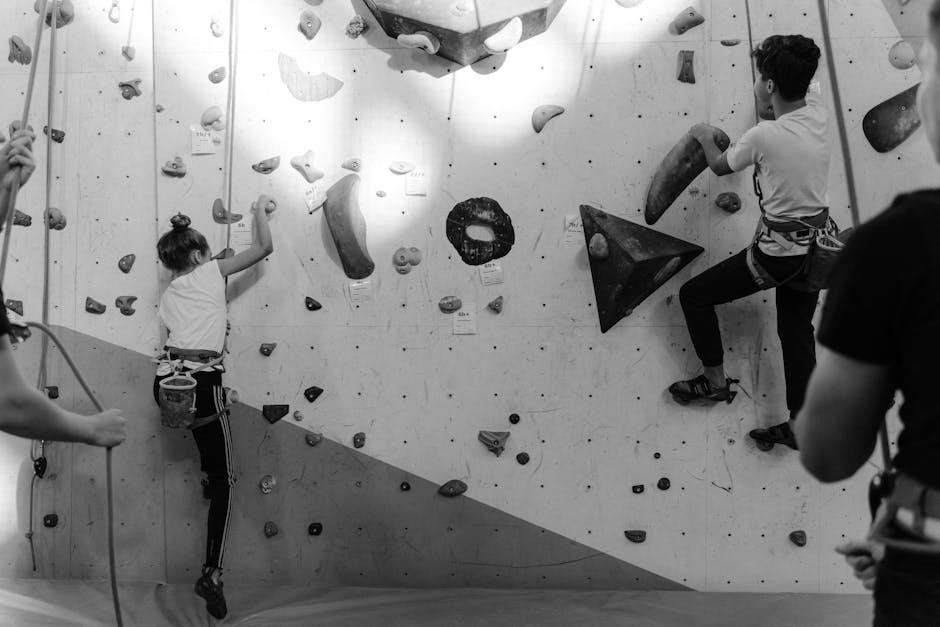
Harness Features Affecting Fit
Various harness features significantly impact fit and comfort, including waist belt padding, leg loop elasticity, adjustability, and overall weight․ These elements contribute to a secure experience․
Waist Belt Padding
Waist belt padding is a crucial element for comfort during long climbs, distributing weight evenly around the climber’s waist․ The amount and type of padding vary significantly between harnesses․ More padding generally equates to greater comfort, especially when hanging for extended periods, like during multi-pitch climbs or belaying․ However, excessive padding can add bulk and reduce flexibility․
Padding materials range from closed-cell foam to more breathable, contoured designs․ Climbers prioritizing lightweight performance might opt for minimal padding, while those focused on all-day comfort will prefer thicker, more substantial padding․ Consider the type of climbing you’ll be doing most often when evaluating padding – a sport climbing harness might prioritize a streamlined profile, while a mountaineering harness will benefit from increased cushioning․
Leg Loop Elasticity
Leg loop elasticity plays a significant role in a harness’s overall comfort and freedom of movement․ Many harnesses incorporate elasticated leg loops, allowing for a snug yet non-restrictive fit․ This elasticity accommodates varying leg sizes and allows for comfortable movement during dynamic climbing motions․ The degree of elasticity differs between models; some offer substantial stretch, while others provide a more secure, less flexible fit․
Harnesses with highly elasticated leg loops are often preferred for trad climbing and mountaineering, where a wider range of motion is required․ Conversely, harnesses designed for sport climbing may feature less elasticity for a more precise and supportive feel․ Consider your climbing style and personal preference when assessing leg loop elasticity – a balance between comfort and security is key․
Adjustable Leg Loops
Adjustable leg loops are a crucial feature for achieving a secure and personalized fit in a climbing harness․ Most modern harnesses offer a wide range of adjustability in the leg loops, allowing climbers to fine-tune the fit based on their body shape, clothing layers, and personal preference․ This adjustability is particularly important for climbers who fall between standard sizes or experience discomfort with fixed leg loops․
The adjustment mechanisms typically involve buckles or sliders, enabling easy modification of the leg loop circumference․ Properly adjusted leg loops should fit snugly around the thigh without restricting circulation or causing chafing․ Ensuring correct adjustment is vital for both comfort and safety, preventing the harness from shifting during climbs․
Harness Weight Considerations
Harness weight is a significant factor, especially for demanding climbs like mountaineering or long multi-pitch routes․ Lighter harnesses minimize overall gear weight, reducing fatigue and enhancing freedom of movement․ However, extremely lightweight harnesses may sacrifice padding and features, potentially impacting comfort during extended use;
The ideal harness weight depends on the type of climbing and individual preferences․ Sport climbers often prioritize lightweight designs, while traditional climbers and mountaineers may prefer a balance between weight, durability, and comfort․ Consider the trade-offs between weight savings and essential features when selecting a harness, ensuring it meets the specific demands of your climbing style․
Special Considerations
Climbers with unique body shapes or specific needs require tailored harness solutions․ Women’s, children’s, and plus-size options ensure optimal fit and safety for everyone․
Harnesses for Women
Women’s climbing harnesses are specifically designed to accommodate female anatomy, offering enhanced comfort and a secure fit․ Traditional harnesses often don’t properly contour to a woman’s hips and waist, leading to discomfort and potential safety concerns․ Women’s harnesses typically feature a narrower waist belt, wider leg loops, and a more pronounced curvature to better distribute weight and prevent chafing․
These features ensure the harness stays securely in place during dynamic movements, crucial for both sport and trad climbing․ When selecting a women’s harness, prioritize a snug but comfortable fit around the waist and thighs, allowing for a full range of motion․ Many brands now offer harnesses with adjustable leg loops and waist belts, providing a customizable fit for various body types․ Consider features like padded waistbelts and breathable materials for extended comfort on long climbs․
Harnesses for Children
Selecting a climbing harness for a child requires extra attention to safety and proper fit․ Children’s bodies are still developing, and a poorly fitted harness can be uncomfortable or even dangerous․ Look for harnesses specifically designed for children, featuring adjustable leg loops and waist belts to accommodate growth․
Full-body harnesses are generally recommended for younger children or beginners, providing maximum security and support․ These distribute the load more evenly across the body, reducing the risk of injury․ Ensure the harness fits snugly but doesn’t restrict movement․ Always supervise children while climbing and double-check the harness fit before each use․ Prioritize harnesses with durable buckles and high-quality materials, and regularly inspect for wear and tear․
Plus-Size Harness Options
Finding a comfortable and secure climbing harness as a plus-size climber can present unique challenges, but options are expanding․ Traditional sizing often falls short, emphasizing the need for brands that prioritize inclusivity․ Look for harnesses with extended waist belts and leg loops, offering a wider range of adjustability to accommodate larger body types․
Many manufacturers are now recognizing the demand and creating harnesses specifically designed for broader builds․ Prioritize harnesses with robust buckles and reinforced stitching for added durability and safety․ When trying on a harness, ensure the waist belt sits comfortably on your iliac crest and the leg loops aren’t constricting․ Don’t hesitate to contact manufacturers directly for sizing advice and recommendations․
Harnesses for Different Body Types
Beyond simply finding the correct size, understanding how a harness interacts with your unique body shape is crucial․ Climbers with wider hips may require harnesses with strategically shaped waist belts to prevent chafing and ensure a secure fit․ Those with narrower waists might benefit from harnesses with highly adjustable waist belts to cinch down effectively․
Similarly, leg loop shape impacts comfort; some harnesses feature tapered leg loops for a more anatomical fit․ Individuals with longer torsos may need to consider harnesses with adjustable rise options․ Prioritize trying on multiple harnesses from different brands to discover what best complements your physique․ Remember, a comfortable harness enhances performance and safety․