DJI Phantom 3 Standard User Guide ౼ Article Plan
This comprehensive guide details the DJI Phantom 3 Standard, covering setup, flight, camera operation, maintenance, and legal aspects for optimal aerial experiences.
The DJI Phantom 3 Standard represents a significant step in accessible aerial photography and videography. Released as a more affordable option within the Phantom 3 series, it brought advanced features previously reserved for higher-end models to a wider audience. This quadcopter boasts a fully integrated remote controller and seamless compatibility with the DJI GO app, simplifying the flying experience.
It builds upon the foundations laid by the Phantom 2 Vision and Vision+, offering enhanced cameras and improved flight stability. Designed for both beginners and experienced pilots, the Phantom 3 Standard provides a user-friendly platform for capturing stunning aerial perspectives. Before your first flight, carefully review the Quick Start Guide and accompanying disclaimers to understand operational guidelines and legal responsibilities.
Unboxing and Component Overview
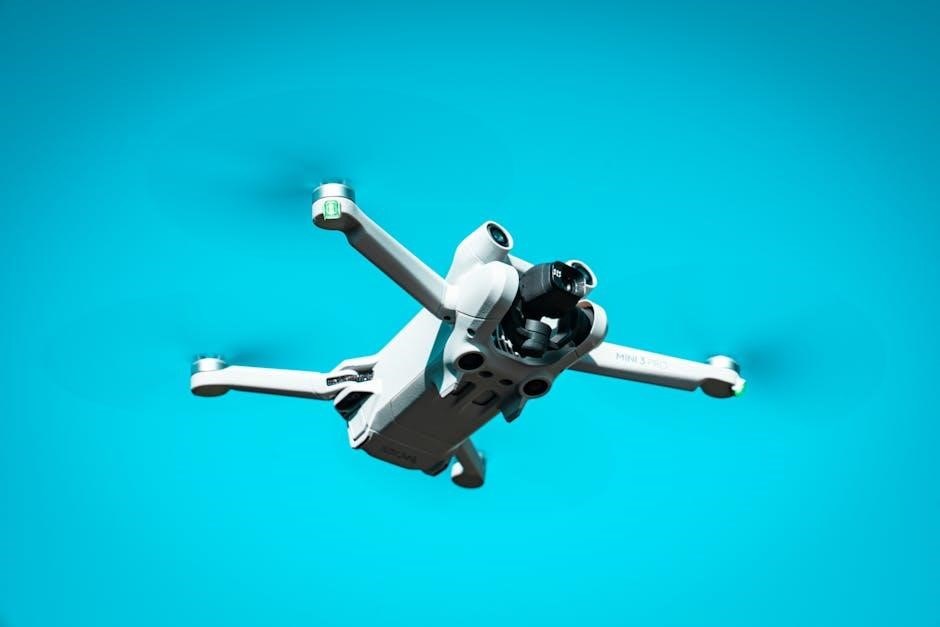
Upon unboxing your DJI Phantom 3 Standard, you’ll find a complete system designed for immediate aerial exploration. The package includes the aircraft itself, a remote controller, an intelligent flight battery, and a dedicated battery charger. Essential accessories like propellers (ensure compatibility – use only original DJI propellers for Phantom 3 Professional) are also included, alongside gimbal clamps and various cables.
Carefully inspect each component for any signs of damage sustained during shipping. Familiarize yourself with the placement and function of each part before proceeding. The Smart Controller 2;0, utilizing DJI OcuSync 2.0, offers extended range and reliable connectivity. Download the DJI Pilot app for setup and control.
Aircraft Components
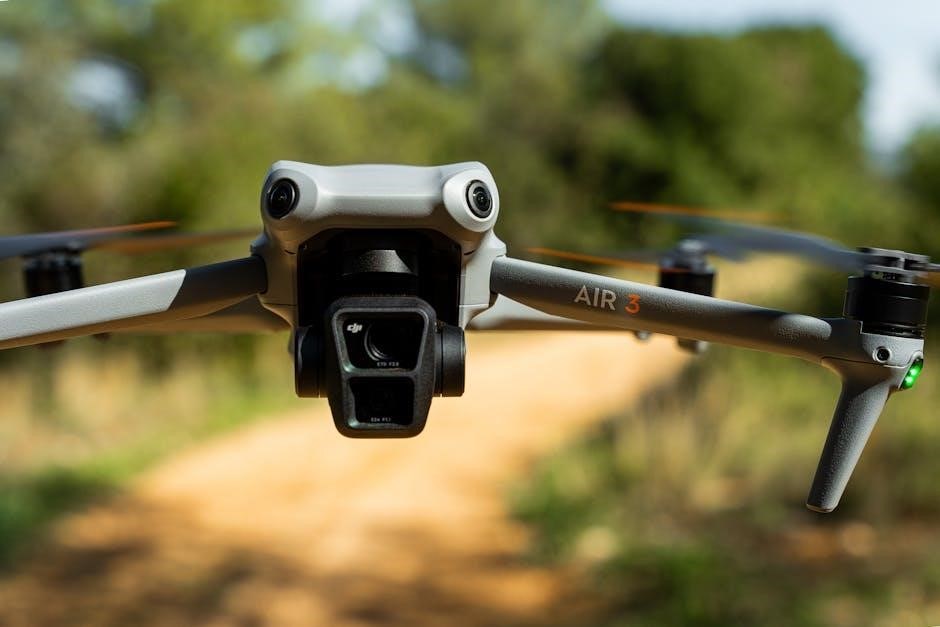
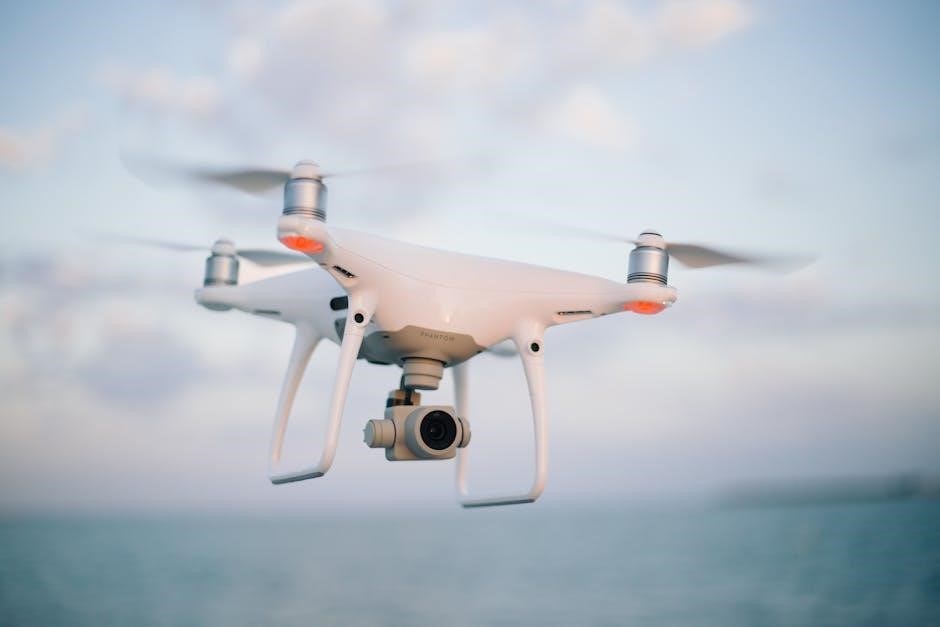
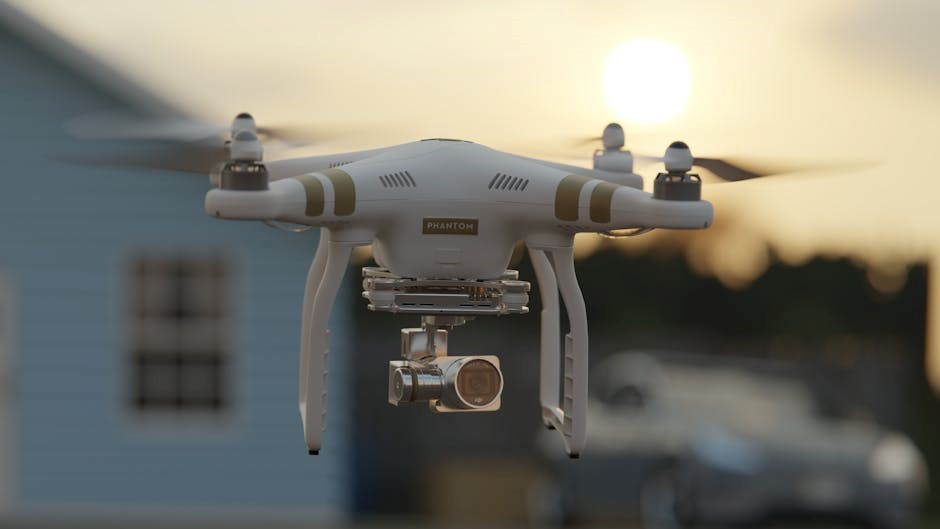
The Phantom 3 Standard aircraft boasts a robust yet lightweight design, optimized for stable flight and aerial photography. Key components include the integrated gimbal and camera system, providing smooth, high-quality video and images. Four powerful motors drive the propellers, ensuring efficient lift and maneuverability. The aircraft’s frame houses the flight controller, GPS module, and other essential electronics.
Pay close attention to the propeller attachment points, noting the grey and black markings indicating correct rotation direction. The landing gear provides a stable base for takeoff and landing. Regularly inspect the aircraft for any signs of wear or damage, particularly around the motors and propellers.
Remote Controller Components
The DJI Phantom 3 Standard remote controller is your primary interface for controlling the aircraft and camera. It features dual control sticks for precise movement, customizable buttons for various functions, and an integrated mobile device holder. The controller utilizes the DJI GO app for live video feed, flight parameter display, and intelligent flight mode selection.
Understand the function of each button and dial, including the power button, return-to-home (RTH) button, and camera settings controls. The controller supports DJI OcuSync transmission, offering a reliable connection with a range of up to 3km. Ensure the antennas are properly extended for optimal signal strength.
Intelligent Flight Battery & Charger
The DJI Phantom 3 Standard utilizes an Intelligent Flight Battery designed for safe and efficient power delivery. This battery provides approximately 25-30 minutes of flight time, depending on conditions; Always use the dedicated DJI battery charger to ensure proper charging and prevent damage.
The charger features a balance charging function, optimizing battery health and lifespan. Monitor the LED indicators on the battery and charger to track charging progress. Never leave a charging battery unattended. Store batteries in a safe, fireproof location when not in use, and avoid extreme temperatures.
Pre-Flight Checklist & Safety Guidelines
Prior to each flight, a thorough pre-flight check is crucial for safe operation. Verify the Intelligent Flight Battery is fully charged and securely installed. Inspect propellers for any cracks or damage, ensuring correct installation with grey/black nuts aligned properly. Confirm the gimbal and camera are functioning smoothly and free from obstructions.
Always check the DJI GO app for firmware updates and calibrate the compass if prompted. Be aware of surrounding airspace, no-fly zones, and potential obstacles. Adhere to all local regulations and maintain visual line of sight with the drone at all times.
Battery Charging & Management

Proper battery care is essential for maximizing flight time and extending the lifespan of your Intelligent Flight Battery. Use only the DJI-supplied charger to avoid damage. Fully charge the battery before each flight; charging time varies. Avoid overcharging or completely discharging the battery.
Store batteries in a cool, dry place, away from direct sunlight and extreme temperatures. Never leave batteries unattended while charging. Regularly check battery health within the DJI GO app and replace batteries showing signs of degradation. Always handle batteries with care, avoiding impacts or punctures.
Propeller Installation & Check
Correct propeller installation is crucial for stable flight. Use only original DJI propellers compatible with the Phantom 3 Standard. Note the grey and black markings on the propeller base – these indicate the direction of rotation. Match the markings to the corresponding motor arms.
Securely tighten the propellers with the provided tools, ensuring they are firmly attached but not over-tightened. Before each flight, inspect propellers for cracks, chips, or any damage. Replace damaged propellers immediately. A loose or damaged propeller can cause instability and potential crashes.
Gimbal & Camera Inspection
Prior to each flight, carefully inspect the gimbal and camera for any signs of damage or obstruction. Gently move the gimbal through its range of motion to ensure smooth and unrestricted movement. Check for loose screws or connections.
Examine the camera lens for smudges, fingerprints, or debris. Clean the lens with a soft, microfiber cloth. Verify the camera is securely mounted to the gimbal and that the gimbal is properly attached to the aircraft. Any instability in the gimbal or camera can significantly impact video and photo quality.
DJI GO App Setup & Configuration
The DJI GO app is essential for controlling and monitoring your Phantom 3 Standard. Begin by downloading and installing the app from your device’s app store. Once installed, create a DJI account or log in to an existing one to activate the app and your drone.
The app will prompt you to update the firmware for both the aircraft and the remote controller – this is crucial for optimal performance and stability; Ensure a stable internet connection during the update process. Properly configuring the app unlocks advanced features and ensures a seamless flying experience.
Downloading & Installing the DJI GO App
Before your first flight, downloading and installing the DJI GO app is paramount. This application serves as the central hub for controlling your Phantom 3 Standard. You can find the app on both the Apple App Store (for iOS devices) and the Google Play Store (for Android devices).
Search for “DJI GO” and ensure you download the official app developed by DJI. The download size is considerable, so a stable Wi-Fi connection is recommended. Once downloaded, install the app following your device’s standard installation procedure. A successful installation is the first step towards unlocking your drone’s full potential.
Account Registration & Activation
Upon launching the DJI GO app for the first time, you’ll be prompted to create a DJI account or log in if you already have one. Account registration is essential for accessing firmware updates, utilizing intelligent flight features, and storing flight logs.
Provide a valid email address and create a secure password. You’ll likely need to verify your email address through a confirmation link sent to your inbox. After logging in, the app will guide you through the activation process for your Phantom 3 Standard, linking the drone to your account. This ensures proper functionality and access to DJI’s services.
Firmware Updates (Aircraft & Controller)
Maintaining up-to-date firmware is crucial for optimal performance and safety of your DJI Phantom 3 Standard. The DJI GO app regularly checks for available updates for both the aircraft and the remote controller.
When updates are available, the app will prompt you to download and install them. Ensure the drone has sufficient battery power (above 50% recommended) and a stable internet connection during the update process. Do not interrupt the update! Firmware updates often include bug fixes, performance improvements, and new features. Following the update process carefully ensures compatibility and unlocks the full potential of your drone.
Remote Controller Operation
The DJI Phantom 3 Standard’s remote controller is your primary interface for controlling the drone. Understanding its functions is essential for safe and precise flight. The controller features dual control sticks, customizable buttons, and LED indicators providing vital flight information.
Mastering the control stick movements – ascending, descending, forward, backward, and strafing – is fundamental. Explore the DJI GO app to personalize control settings to your preferences. Pay close attention to the LED indicators; they communicate the drone’s status, GPS signal strength, and battery levels, ensuring informed decision-making during operation.
Control Stick Functions
The Phantom 3 Standard’s control sticks dictate the drone’s movement. The left stick manages altitude and rotation – up/down controls height, while left/right rotates the aircraft. The right stick governs forward/backward and left/right movement, enabling precise directional control.
Pushing both sticks inwards simultaneously initiates Return-to-Home (RTH) functionality. Understanding these core movements is crucial for stable flight. Practice gentle stick inputs for smooth maneuvers, avoiding abrupt changes. Familiarize yourself with stick combinations for accessing intelligent flight modes within the DJI GO app, enhancing your aerial capabilities.
Customizing Control Settings
The DJI GO app allows extensive customization of control settings for the Phantom 3 Standard. Adjust control sensitivity to match your flying style – higher sensitivity means quicker responses, while lower offers more precision. You can also remap stick functions to suit your preferences, altering the default control scheme.
Further customization includes setting fail-safe parameters, like RTH altitude and distance. Explore options for customizing LED indicator behavior and configuring beginner mode for limited speed and altitude. Regularly review and adjust these settings to optimize your flying experience and ensure safe operation.
Understanding LED Indicators
The Phantom 3 Standard utilizes LED indicators on both the aircraft and remote controller to convey crucial flight information. Aircraft LEDs display battery level, GPS signal strength, and flight mode status. A solid green indicates a healthy GPS lock and ready-to-fly status, while blinking red signals potential issues.
The remote controller’s LEDs show battery level and connection status with the aircraft. Familiarize yourself with the color codes and blinking patterns; they provide immediate feedback on system health. Refer to the DJI GO app for detailed explanations of each indicator, ensuring you can quickly diagnose and address any problems during flight.
Flight Basics & Controls
Mastering basic flight controls is essential for safe and enjoyable Phantom 3 Standard operation. Begin with takeoff procedures, ensuring a clear area and stable GPS lock. Utilize the control sticks for ascending, descending, forward/backward movement, and strafing. Practice smooth, deliberate inputs to maintain stable flight.
The Phantom 3 Standard features Intelligent Flight Modes like Positioning and Altitude Hold, simplifying control. Positioning uses visual and GPS data for stable hovering, while Altitude Hold maintains a consistent height. These modes are ideal for beginners, allowing focus on framing shots. Always prioritize safety and practice in open spaces.
Takeoff & Landing Procedures
Safe takeoff and landing are paramount for Phantom 3 Standard operation. Before takeoff, ensure a clear, level area free of obstacles and people. Initiate auto-takeoff via the DJI GO app, or manually increase throttle slowly. Maintain a stable hover at a safe altitude before initiating flight.
For landing, position the drone over the desired landing spot. Slowly descend using the control sticks, maintaining a controlled rate. Upon reaching the ground, reduce throttle to zero. Always monitor battery levels during landing to prevent unexpected shutdowns. Practice these procedures in an open space to build confidence.
Basic Flight Maneuvers (Ascend, Descend, Forward, Backward, Strafe)
Mastering basic maneuvers is crucial for confident Phantom 3 Standard control. Ascend by gently pushing the left stick upwards; descend with a downward motion. Forward and backward movement is controlled by tilting the right stick forward or backward, respectively.
To strafe (move left or right), rotate the right stick left or right while maintaining a level orientation. Practice smooth, coordinated movements in an open area. Begin with slow, deliberate inputs, gradually increasing speed as proficiency grows. Remember to maintain visual line of sight at all times.
Using Intelligent Flight Modes (Positioning, Altitude Hold)
The DJI Phantom 3 Standard offers intelligent flight modes enhancing ease of use and stability. Positioning utilizes GPS and visual sensors for stable hovering, even in wind. Activate it before takeoff for reliable positioning. Altitude Hold maintains a consistent altitude, simplifying filming and photography.
Engage Altitude Hold via the DJI GO app or assign it to custom buttons on the remote. These modes are invaluable for beginners, allowing focus on framing shots. However, always remain vigilant and prepared to take manual control if needed, especially in challenging conditions.
Camera Operation & Settings
The Phantom 3 Standard’s camera delivers stunning aerial footage. Access camera controls through the DJI GO app, switching between Photo and Video modes effortlessly. Explore settings like ISO, shutter speed, and white balance to tailor images to your environment. Lower ISO values minimize noise in bright conditions, while adjusting shutter speed controls motion blur.
White balance ensures accurate color representation. Experiment with these settings to achieve desired results. The app displays a live view, allowing real-time adjustments. Remember to format your SD card regularly for optimal performance and storage capacity.
Camera Modes (Photo, Video)
The DJI Phantom 3 Standard offers dedicated Photo and Video modes accessible via the DJI GO app. Photo mode captures still images, allowing adjustments to settings like single shot, burst, or interval. Video mode records aerial footage, supporting resolutions up to 1080p at 30fps. Switching between modes is simple, providing flexibility for diverse shooting scenarios.
Within each mode, further customization is available. Explore options like exposure compensation and gridlines to enhance your creative control. Understanding these modes is crucial for capturing high-quality aerial content. Experiment to discover the best settings for your specific needs.
Adjusting Camera Settings (ISO, Shutter Speed, White Balance)
The DJI GO app allows precise control over camera settings like ISO, shutter speed, and white balance. ISO adjusts the camera’s sensitivity to light; lower values for bright conditions, higher for low light. Shutter speed controls exposure duration – faster for freezing motion, slower for motion blur. White balance ensures accurate color representation under different lighting conditions.
Mastering these settings is key to achieving optimal image quality. Experiment with different combinations to understand their effects. Auto modes are available, but manual control offers greater creative flexibility. Careful adjustment ensures well-exposed, color-accurate aerial photos and videos.
Recording Video & Capturing Photos
Initiate video recording or photo capture directly through the DJI GO app’s intuitive interface. The app displays real-time camera feed and provides access to essential controls. Tap the dedicated video or photo button to start recording or take a still image. Monitor remaining storage space and battery level during operation.
Explore different video resolutions and frame rates for varied results. Utilize single or burst photo modes depending on the subject. Regularly review captured footage and images to assess quality and adjust settings accordingly. Proper handling ensures stunning aerial visuals.
Advanced Flight Features
The DJI Phantom 3 Standard offers intelligent flight modes enhancing user experience. Point of Interest (POI) mode circles a selected subject, keeping it centered in the frame. Follow Me mode allows the drone to automatically track and follow the pilot, ideal for dynamic shots.
Waypoint Navigation enables pre-planned flight paths with designated points, creating automated aerial sequences. These features require sufficient GPS signal and careful pre-flight planning. Always maintain visual line of sight and be aware of surroundings when utilizing advanced modes for safe and controlled flights.
Point of Interest (POI) Mode
Point of Interest (POI) mode allows the Phantom 3 Standard to orbit a selected subject automatically. Simply tap on the DJI GO app screen to designate the point of interest, and the drone will smoothly circle it, maintaining a consistent distance and angle.
Users can adjust the orbit radius and flight speed within the app. This mode is perfect for capturing cinematic footage of buildings, people, or landscapes. Ensure a clear GPS signal and obstacle-free airspace before initiating POI mode for safe operation. Always monitor the drone’s flight path and be prepared to take manual control if needed.
Follow Me Mode
Follow Me mode enables the DJI Phantom 3 Standard to autonomously track a designated subject – typically the remote controller operator. After activating the mode within the DJI GO app, the drone will lock onto the operator’s location (using GPS) and maintain a set distance and altitude while following their movements.
This feature is ideal for hands-free filming during activities. However, it’s crucial to fly in open areas, free of obstacles, and maintain a clear line of sight. Be aware of potential interference and be ready to regain manual control if necessary. Prioritize safety and responsible operation.

Waypoint Navigation
Waypoint Navigation allows the DJI Phantom 3 Standard to fly a pre-defined route automatically. Users create a flight path by setting multiple waypoints on a map within the DJI GO app. The drone will then autonomously navigate to each waypoint in sequence, capturing photos or videos along the way.
This feature is excellent for complex shots and repeatable flight paths. Thoroughly plan your route, considering altitude restrictions and potential obstacles. Ensure sufficient GPS signal strength and monitor the flight closely. Always be prepared to take manual control if needed, prioritizing safety and responsible drone operation.
Maintenance & Troubleshooting
Regular maintenance ensures optimal performance and longevity of your DJI Phantom 3 Standard. Periodically inspect propellers for damage and replace them as needed, using only genuine DJI parts. Gimbal calibration is crucial for stable footage; perform this through the DJI GO app if experiencing erratic camera movement.
Common issues include connection problems, which can often be resolved by restarting the app and controller. If the drone exhibits unstable flight, check propeller installation and calibrate the compass. Refer to the DJI support website for detailed troubleshooting guides and FAQs. Prioritize safety and avoid flying if issues persist.
Propeller Replacement
Replacing propellers on your DJI Phantom 3 Standard is straightforward, but crucial for flight safety. Always use original DJI propellers compatible with the Phantom 3 Professional model. Note the grey and black markings on the propeller base – these indicate rotation direction. Match these markings to the corresponding motor arms during installation.
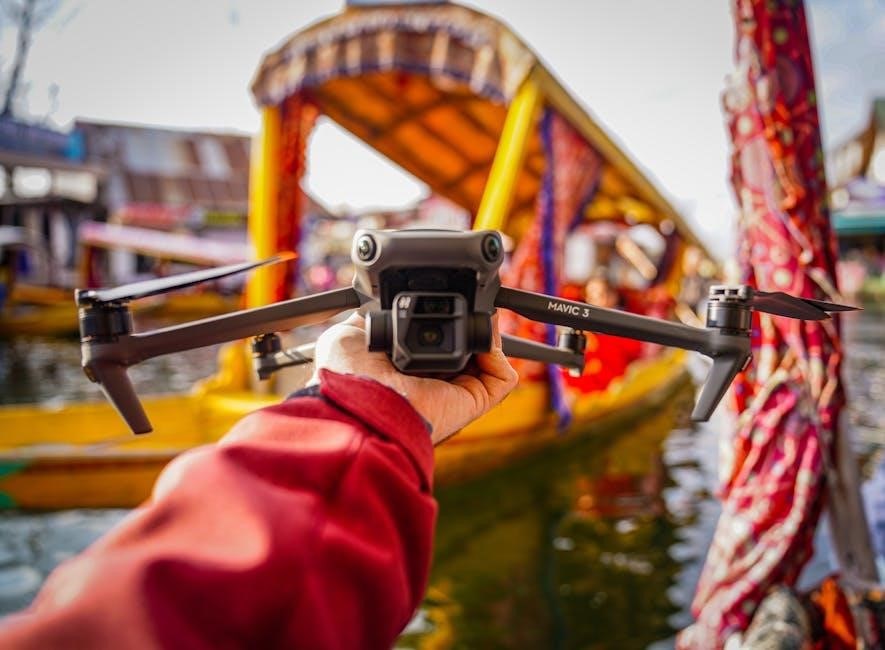
Securely tighten the propeller nuts after installation, ensuring they are snug but not over-tightened. Damaged propellers significantly impact flight stability and should be replaced immediately. Regularly inspect propellers for cracks or bends. A spare set is recommended for field replacements, maintaining optimal performance and preventing accidents.
Gimbal Calibration
Maintaining a properly calibrated gimbal is essential for smooth, stable aerial footage with your DJI Phantom 3 Standard. Calibration ensures the gimbal accurately compensates for drone movement. If you notice jerky video or the camera isn’t leveling correctly, recalibration is needed.
Within the DJI GO app, navigate to the gimbal settings and initiate the calibration process. Ensure the drone is on a level surface during calibration. Follow the on-screen prompts carefully. A successful calibration will result in smoother, more professional-looking video. Recalibrate after firmware updates or if the gimbal experiences physical shock.
Common Issues & Solutions
Encountering issues with your DJI Phantom 3 Standard is common; thankfully, many have straightforward solutions. A frequent problem is connection loss – ensure the remote controller and app are updated, and avoid interference. If the drone drifts, recalibrate the compass. For unresponsive controls, check battery levels and re-bind the remote.
Propeller issues often stem from incorrect installation or damage; always use original DJI propellers. If the gimbal malfunctions, attempt recalibration. Regularly check for firmware updates via the DJI GO app, as these often address known bugs. Consult the DJI online support resources for more complex problems.
Legal Considerations & Regulations
Operating a DJI Phantom 3 Standard requires adherence to local aviation regulations. In the US, the FAA mandates drone registration and pilot certification for commercial use. Always check for No-Fly Zones using the DJI GO app or FAA’s B4UFLY app, avoiding restricted airspace near airports, stadiums, and sensitive infrastructure.
Respect privacy by avoiding filming private property without consent. Understand altitude restrictions – generally, 400 feet is the maximum allowed. Responsible drone operation includes maintaining visual line of sight and flying safely, prioritizing airspace awareness and respecting community guidelines.
FAA Regulations (or equivalent in your region)
The FAA regulates drone operation in the United States, requiring registration for drones weighing over 250 grams. For recreational use, the TRUST (The Recreational UAS Safety Test) certification is mandatory. Commercial operations necessitate a Part 107 Remote Pilot Certificate, obtained by passing an FAA knowledge test.
Regulations cover airspace restrictions, altitude limits (typically 400 feet), and visual line-of-sight requirements. Operators must comply with airspace authorizations when flying in controlled airspace. Equivalent regulations exist in other regions; research your local aviation authority’s rules before flying your Phantom 3 Standard.
No-Fly Zones & Restrictions
The DJI GO app incorporates geofencing, displaying no-fly zones based on FAA (or regional equivalent) restrictions. These zones include airports, prisons, critical infrastructure, and national parks. Flying within these areas is generally prohibited and can result in penalties.
Temporary Flight Restrictions (TFRs) are often implemented for special events or emergencies; always check for current TFRs before each flight. Respecting these restrictions is crucial for safety and legal compliance. Be aware of local ordinances that may further restrict drone operation, even outside of FAA-defined no-fly zones.
Responsible Drone Operation
Prioritize safety and privacy when flying your DJI Phantom 3 Standard. Maintain visual line of sight with your drone at all times, and avoid flying over people or moving vehicles. Respect the privacy of others; do not record or photograph individuals without their consent.
Be mindful of your surroundings and potential hazards like power lines or trees. Regularly inspect your drone for damage and ensure all components are functioning correctly. Adhering to these guidelines promotes responsible drone operation and helps ensure a positive experience for everyone.