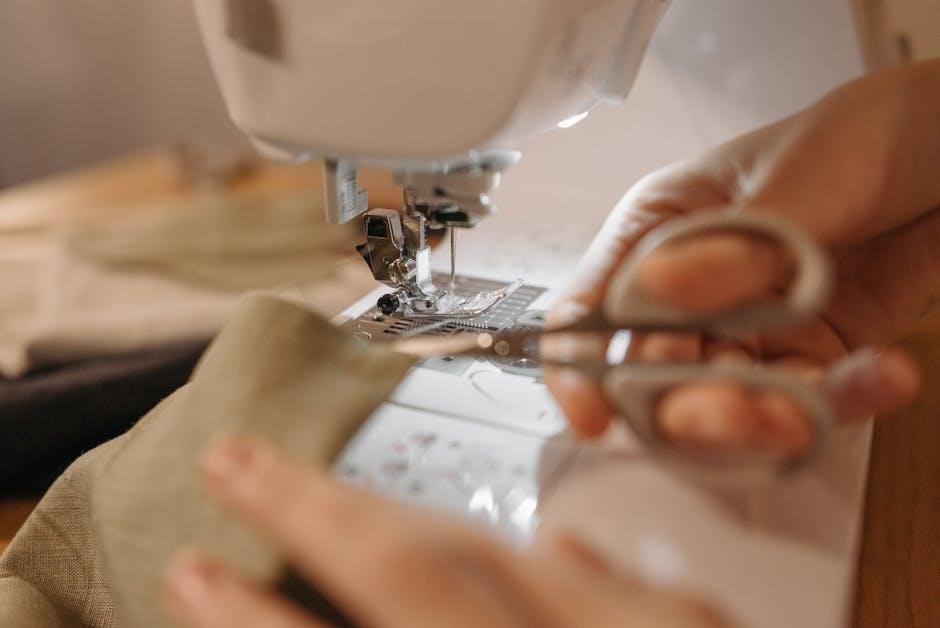
Elna Sewing Machine Manual: A Comprehensive Guide
Elna sewing machines‚ originating in Switzerland and now under Janome ownership‚ boast a rich history. This guide explores models from 1940-1978‚
covering mechanical to highly computerized options like the eXcellence series. Understanding your Elna requires accessing the correct manual for optimal performance and longevity.
Historical Overview of Elna Sewing Machines
Elna’s story began in 1934 with Dr. Ramon Casas Robert’s groundbreaking prototype‚ introducing the innovative free-arm design. This feature‚ allowing easy fabric maneuvering – particularly sleeves and pant legs – revolutionized sewing. The true genesis arrived in 1940 with the Elna 1‚ the world’s first compact‚ portable‚ electric sewing machine also featuring this free-arm functionality. Uniquely‚ its metal carrying case unfolded to become a functional sewing table‚ enhancing convenience.
Throughout the subsequent decades‚ Elna consistently pushed boundaries‚ producing a diverse range of models between 1940 and 1978. These included the Air Electronic and Automatic series‚ alongside classic lines like Grasshopper‚ Elnita‚ Lotus‚ Special‚ Stella‚ Straight Stitch‚ Supermatic‚ Top Special‚ and Zig Zag. Elna machines evolved from purely mechanical operation to incorporating computerized technology‚ catering to a widening spectrum of sewing needs and skill levels. The brand’s commitment to ease of use‚ versatility‚ and modern design cemented its place in sewing history.
The Genesis of Elna: Dr. Ramon Casas Robert’s Innovation (1934)
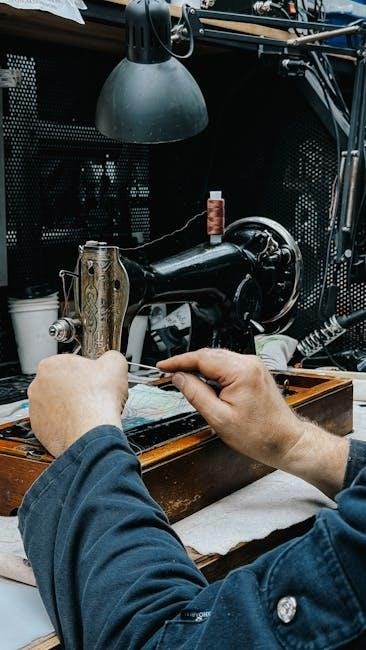
The foundation of Elna lies in the ingenuity of Dr. Ramon Casas Robert‚ whose pioneering work in 1934 resulted in the first prototype Elna sewing machine. This wasn’t merely an incremental improvement; it represented a fundamental shift in sewing machine design with the introduction of the free-arm concept. Unlike conventional machines with flatbeds‚ the Elna prototype featured a portion of the machine bed extending outwards.
This seemingly simple alteration unlocked significant advantages for sewers. The free-arm configuration provided unobstructed access to fabric‚ making it dramatically easier to manipulate cuffs‚ collars‚ and other cylindrical garment pieces. Dr. Robert’s vision wasn’t just about functionality; it was about enhancing the sewing experience. He aimed to create machines that were intuitive‚ adaptable‚ and reflective of modern design principles. This initial innovation laid the groundwork for Elna’s future success and established its reputation for forward-thinking engineering.
Elna 1: The First Portable Electric Sewing Machine (1940-1952)
In 1940‚ Elna revolutionized home sewing with the launch of the Elna 1‚ widely recognized as the first compact‚ portable‚ and electric sewing machine featuring a free arm. This wasn’t just a scaled-down version of existing machines; it was a completely reimagined design prioritizing convenience and accessibility; The Elna 1 cleverly incorporated its metal carrying case into a functional sewing table when unfolded‚ eliminating the need for a separate workspace.
Throughout its production run‚ spanning from 1940 to 1952‚ the Elna 1 underwent minor refinements‚ but its core design remained remarkably consistent. This speaks to the effectiveness of Dr. Robert’s original vision. The machine’s portability opened up sewing to a wider audience‚ allowing enthusiasts to pursue their craft anywhere with an electrical outlet. The Elna 1 quickly became a symbol of modern convenience and Swiss engineering‚ establishing Elna as a leading brand in the sewing machine industry.
Key Features of Early Elna Models (1940-1978)
Early Elna sewing machines‚ produced between 1940 and 1978‚ consistently prioritized user-friendliness‚ versatility‚ and modern design. The hallmark free-arm feature‚ pioneered with the Elna 1‚ remained a central element‚ facilitating effortless sewing of cuffs‚ sleeves‚ and pant legs. Beyond this‚ Elna models showcased robust construction and reliable performance‚ earning a reputation for durability.
The lineup included diverse series like Grasshopper‚ Elnita‚ Lotus‚ Special‚ Stella‚ Straight Stitch‚ Supermatic‚ Top Special‚ and Zig Zag‚ each catering to different sewing needs and skill levels. Many models featured innovative mechanisms for automatic stitch selection and length adjustment. Elna’s commitment to quality materials and precision engineering ensured smooth operation and consistent stitch quality. These machines weren’t simply tools; they were designed to inspire creativity and make sewing an enjoyable experience.
Understanding Elna Sewing Machine Models
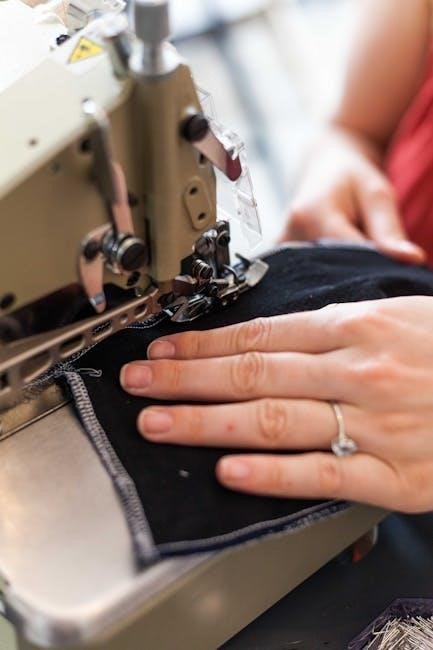
Elna offers a diverse range‚ from mechanical simplicity to advanced computerized options. Explore the eXplore‚ eXperience‚ eXcellence‚ eXpressive‚ and eXtend series to find your perfect match.
Mechanical Elna Sewing Machines: A Detailed Look
Elna’s early mechanical models‚ particularly those produced between 1940 and 1978‚ represent a cornerstone of sewing innovation. The Elna 1‚ launched in 1940‚ was revolutionary as the first compact‚ portable‚ electric machine featuring a free-arm design. This free-arm functionality‚ allowing easy maneuvering of cylindrical items like sleeves‚ remains a hallmark of many Elna machines.
These machines‚ including the Grasshopper‚ Lotus‚ Special‚ Stella‚ Straight Stitch‚ Supermatic‚ Top Special‚ and Zig Zag series‚ prioritize user-friendliness and durability. Manuals for these models typically detail threading procedures‚ stitch selection guides‚ bobbin winding instructions‚ and basic maintenance tasks like oiling and cleaning.
Understanding the mechanical components – tension discs‚ feed dogs‚ presser foot mechanisms – is crucial for troubleshooting. Common issues addressed in manuals include thread breakage‚ skipped stitches‚ and uneven fabric feeding. Regular maintenance‚ as outlined in the manual‚ ensures longevity and consistent performance. Elna mechanical machines offer a tactile and reliable sewing experience‚ favored by both beginners and experienced sewists.
Computerized Elna Sewing Machines: Features and Benefits
Elna’s computerized sewing machines‚ including the eXplore and eXcellence series‚ represent a significant leap in sewing technology. These models offer a wider range of stitch options‚ automated features‚ and enhanced precision compared to their mechanical counterparts. Manuals for computerized Elna machines detail navigating the digital interface‚ selecting pre-programmed stitches‚ utilizing automatic buttonhole functions‚ and customizing stitch settings.
Benefits include increased speed‚ consistent stitch quality‚ and the ability to tackle complex sewing projects with ease. Features often include LCD screens‚ memory functions for saving personalized stitch combinations‚ and adjustable sewing speeds. Troubleshooting guides within the manuals address error messages‚ sensor malfunctions‚ and connectivity issues.
Understanding the computerized components – the control panel‚ the stitch memory‚ and the motor – is vital for optimal use. Regular software updates‚ as recommended in the manual‚ ensure compatibility and access to new features. Elna’s computerized machines empower sewists with greater creative control and efficiency.
Premium Computerized Elna Sewing Machines: The eXcellence Series
The eXcellence series represents Elna’s pinnacle of computerized sewing machine technology. Manuals for these premium models detail advanced features like extended stitch libraries‚ enhanced editing capabilities‚ and sophisticated automation. These machines cater to serious sewists and quilting enthusiasts demanding precision and versatility.
Key benefits include a larger workspace‚ improved needle threading systems‚ and advanced sensor technology for fabric handling. Manuals emphasize utilizing the series’ unique features‚ such as pattern drafting tools‚ automatic thread trimming‚ and customizable stitch density. Troubleshooting sections address complex error codes and potential issues with the advanced sensors.
eXcellence series manuals also cover connectivity options‚ allowing for software updates and pattern downloads. Understanding the machine’s memory functions‚ stitch customization options‚ and the advanced foot control system is crucial. Regular maintenance‚ as outlined in the manual‚ ensures longevity and peak performance of these sophisticated machines.
Embroidery Machines: Elna’s eXpressive Range
Elna’s eXpressive embroidery machines offer a dedicated solution for intricate designs and personalized creations. The accompanying manuals are essential for navigating the specialized software and hardware components. These guides detail hoop selection‚ stabilizer usage‚ and thread compatibility for optimal embroidery results.
Manuals emphasize digitizing techniques‚ importing embroidery files‚ and editing designs within the machine’s software. Understanding stitch density‚ underlay settings‚ and color changes is crucial for achieving professional-looking embroidery. Troubleshooting sections address common issues like thread breaks‚ skipped stitches‚ and fabric puckering.
The eXpressive range manuals also cover maintenance procedures specific to embroidery machines‚ including cleaning the bobbin area and lubricating moving parts. Detailed diagrams illustrate proper needle threading and bobbin winding techniques. Mastering the machine’s built-in design library and connectivity options unlocks the full creative potential of these specialized machines.
Overlock and Coverstitch Machines: The eXtend Series
Elna’s eXtend series of overlock and coverstitch machines are designed for professional-quality seam finishing and garment construction. The corresponding manuals are vital for understanding the unique threading paths and adjustments required for these specialized machines. They detail the differences between overlock‚ coverstitch‚ and chain stitch settings.
Manuals provide step-by-step instructions for threading each looper and needle‚ emphasizing the importance of correct thread tension. Troubleshooting guides address common issues like skipped stitches‚ uneven seams‚ and fabric gathering. Understanding differential feed and stitch length adjustments is crucial for achieving desired results on various fabric types.
Maintenance sections cover cleaning lint buildup‚ oiling moving parts‚ and replacing blades. Diagrams illustrate proper needle and looper replacement techniques. Mastering the eXtend series requires careful study of the manual to unlock its full potential for creating durable and beautifully finished garments.
Popular Elna Sewing Machine Series
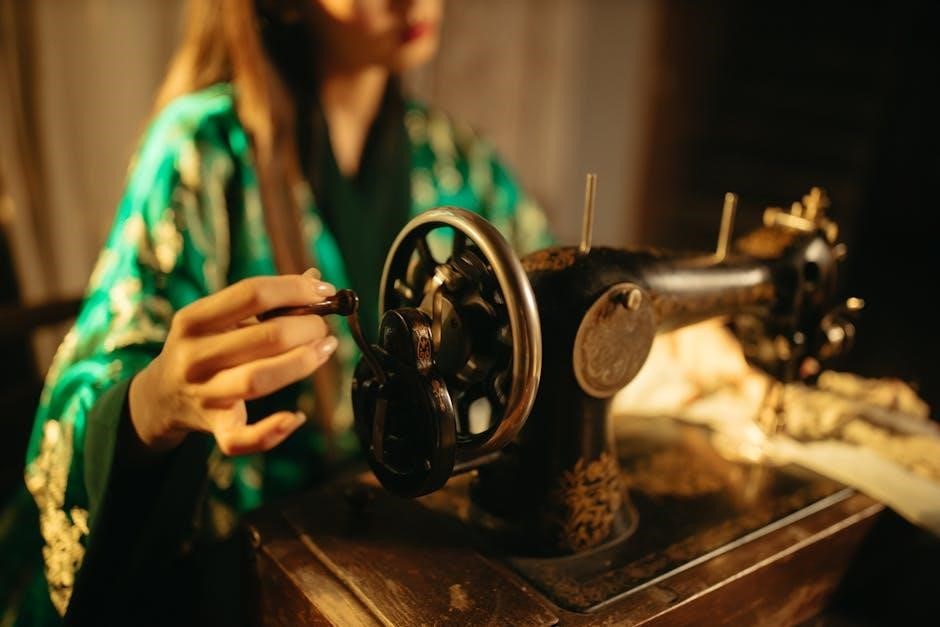
Elna series like 3000‚ 3230‚ and 6005 are popular. Their manuals offer troubleshooting‚ maintenance‚ and usage guides. Accessing the correct manual ensures optimal machine performance.
Elna 3000‚ 3005‚ 3210: Common Issues and Solutions

Elna 3000‚ 3005‚ and 3210 series machines‚ while reliable‚ can experience common issues. Threading problems are frequent; ensure the thread path is clear and the presser foot is up. Bobbin winding difficulties often stem from incorrect bobbin insertion or tension adjustments – consult your manual for diagrams.
Skipped stitches can indicate a dull or incorrect needle type for the fabric. Regularly changing the needle is crucial. Tension imbalances cause looping or puckering; adjust the upper and lower tension dials incrementally‚ testing on scrap fabric after each adjustment.
If the machine jams‚ stop immediately! Do not force it. Remove the needle plate and carefully clear any tangled thread or fabric. For motor issues‚ check the power cord and ensure the foot pedal is firmly connected. Always refer to your specific model’s manual for detailed troubleshooting steps and safety precautions. Online resources and Elna support can also provide assistance.
Elna 3230‚ 5100‚ 6001: Troubleshooting Guide
Elna 3230‚ 5100‚ and 6001 models‚ offering increased features‚ may present unique challenges. Error messages on computerized models require referencing the manual’s code list for specific diagnoses. A common issue is the needle breaking; this often indicates incorrect needle size‚ bent needle‚ or forcing the fabric.
If the machine stops mid-stitch‚ check for tangled bobbin thread or a jammed needle plate. Ensure the presser foot pressure is appropriately adjusted for the fabric weight. Uneven stitching can be caused by improper tension settings or a poorly wound bobbin.
For computerized models‚ software glitches can occur. Try restarting the machine or resetting it to factory settings (refer to the manual!). Always unplug the machine before performing any internal maintenance. Elna’s online support and model-specific manuals are invaluable resources for resolving complex issues and maintaining optimal performance.
Elna 6003 Q & QD‚ 6004: Manual Access and Support
Accessing the correct manual for Elna 6003 Q‚ QD‚ and 6004 models is crucial for maximizing their capabilities. Elna provides online resources‚ but locating the specific manual requires the exact model number. Many third-party websites archive older manuals‚ offering downloadable PDFs.
These models‚ known for their versatility‚ benefit from understanding the manual’s sections on stitch selection‚ presser foot usage‚ and maintenance. Diagrams illustrating threading paths and bobbin winding are particularly helpful.
Beyond the manual‚ Elna’s support network offers assistance. Check the official Janome website (as Elna is now a Janome brand) for FAQs and troubleshooting guides. Online sewing communities and forums dedicated to Elna machines provide peer-to-peer support and shared solutions to common problems. Remember to always refer to your manual first!
Elna 6005 Heirloom Edition: Unique Features and Usage
The Elna 6005 Heirloom Edition stands out with features designed for quilters and those preserving textile traditions. This model often includes a wider variety of decorative stitches and specialized presser feet‚ enhancing creative possibilities. The manual details these unique offerings‚ explaining their optimal usage for heirloom projects.
Understanding the stitch settings for different fabric weights is vital. The manual provides guidance on adjusting tension and stitch length for flawless results. Utilizing the included accessory kit – often containing quilting rulers and appliqué feet – requires careful study of the manual’s illustrations.
Proper maintenance‚ as outlined in the manual‚ ensures the longevity of this special edition. Regular cleaning and oiling are essential. Explore the manual’s troubleshooting section for solutions to common issues‚ preserving the Elna 6005’s performance for generations.
Accessing Elna Sewing Machine Manuals
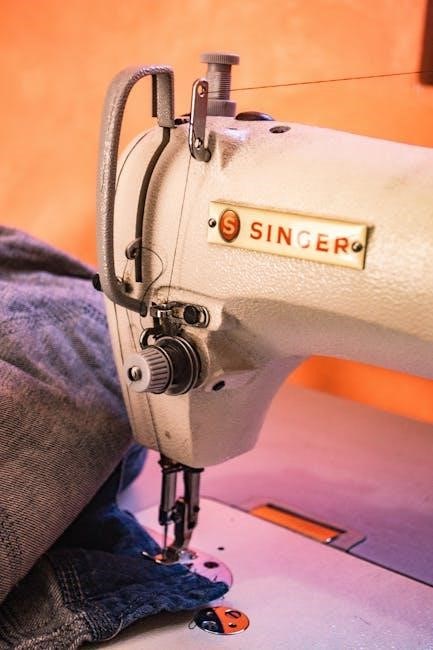
Elna manuals are vital for machine operation and maintenance. Online resources and model-specific searches are key to locating the correct documentation.
Understanding manual sections ensures optimal sewing experiences.
Online Resources for Elna Manuals
Finding the correct Elna sewing machine manual online is often the quickest and most convenient method. Several websites specialize in hosting vintage and current manuals for various sewing machine brands‚ including Elna. A dedicated search on platforms like ManualsLib‚ or directly through the Janome website (as Janome now owns Elna) can yield positive results.
Many sewing enthusiasts have also created independent websites and forums dedicated to Elna machines‚ where users frequently share scanned copies of manuals. These community-driven resources can be invaluable‚ especially for older or less common models. YouTube also hosts numerous video tutorials demonstrating machine operation and troubleshooting‚ often referencing specific manual instructions.
When searching‚ be prepared to utilize your machine’s specific model number. Elna produced a wide range of models – from the early Elna 1 to the more recent eXpressive and eXtend series – and each requires its corresponding manual. Accurate model identification is crucial for downloading the correct documentation and ensuring proper machine usage. Remember to verify the source’s reliability before downloading any files.
Locating Manuals by Model Number
Successfully finding your Elna sewing machine manual hinges on accurately identifying the model number. This number is typically located on a metal plate affixed to the machine itself‚ often on the underside or back. Common Elna series include the 3000‚ 3230‚ 6000‚ and 6005 lines‚ each with variations denoted by additional numbers or letters (e.g.‚ Elna 6003 QD).
Once you have the complete model number‚ input it directly into search engines alongside terms like “manual‚” “instruction book‚” or “user guide.” Prioritize searches on the Janome website‚ as they are the current owners of Elna and often archive older manuals. Websites specializing in sewing machine manuals‚ such as ManualsLib‚ are also excellent resources.
If the initial search proves unsuccessful‚ try variations of the model number‚ omitting letters or using abbreviations. Remember that Elna produced machines under different names‚ like Elnita‚ so including these terms in your search may broaden the results. Precise model number identification is the key to unlocking the correct documentation for your specific Elna machine.
Understanding Manual Sections and Diagrams
Elna sewing machine manuals are structured to guide users through all aspects of operation and maintenance. Typically‚ you’ll find sections covering initial setup‚ threading procedures (upper and bobbin)‚ stitch selection‚ and basic sewing techniques. Dedicated chapters explain specialized features‚ like free-arm sewing – a hallmark of early Elna models – and accessory usage.
Pay close attention to the diagrams. Elna manuals heavily rely on visual aids to illustrate threading paths‚ component locations‚ and maintenance procedures. These diagrams are crucial for understanding how the machine functions internally. Troubleshooting sections often include exploded views of key mechanisms‚ aiding in identifying and resolving common issues.
Familiarize yourself with the safety precautions outlined in the manual before operating the machine. Understand the function of each control and lever. Regularly consult the manual for recommended lubrication points and cleaning procedures to ensure your Elna machine continues to perform optimally for years to come.