
Understanding SI Joint Pain & Effective Stretches
Sacroiliac (SI) joint pain relief often involves targeted stretches, readily available in PDF guides. These exercises aim to restore mobility and reduce discomfort.
Common stretches include knee-to-chest poses, piriformis stretches, and hamstring lengthening. Proper form, as detailed in downloadable resources, is crucial for effectiveness.
PDFs frequently emphasize warm-up exercises before stretching, alongside guidance on frequency and listening to your body’s signals for optimal results.
What is the Sacroiliac (SI) Joint?
The sacroiliac (SI) joint is a crucial connector, linking the sacrum – the triangular bone at the base of your spine – to the iliac bones of your pelvis. Unlike many joints, it possesses limited motion, primarily functioning to transfer forces from your upper body to your lower limbs and vice versa. This stability is vital for walking, standing, and maintaining overall balance.
However, this joint can become a source of significant pain when dysfunction occurs. SI joint pain isn’t always straightforward to diagnose, as it can mimic other conditions like lower back pain or sciatica. Understanding its anatomy and function is the first step towards effective management, often involving targeted stretches detailed in resources like downloadable PDFs.
These PDFs often highlight the joint’s role in shock absorption and weight distribution. The SI joint is reinforced by strong ligaments, but these can become strained or inflamed, leading to pain. Proper stretching, as outlined in these guides, aims to restore optimal movement and reduce irritation within the joint.
Causes of SI Joint Dysfunction
Several factors can contribute to SI joint dysfunction, leading to pain and discomfort. These range from traumatic injuries, such as falls or car accidents, to repetitive stress and biomechanical imbalances. Pregnancy is a common cause, as hormonal changes loosen ligaments, increasing joint instability.
Leg length discrepancies, scoliosis, and arthritis can also place undue stress on the SI joint. Even seemingly minor postural issues can contribute over time. Many individuals find relief through specific stretches, often detailed in readily available PDF guides focusing on SI joint pain.
These PDFs frequently emphasize that identifying the root cause is key, but stretching can address the symptoms. Hypermobility or hypomobility of the joint – too much or too little movement – are both potential issues. Targeted exercises, as illustrated in these resources, aim to restore proper joint mechanics and alleviate pain, promoting stability and function.
Symptoms of SI Joint Pain
SI joint pain often manifests as a dull, aching discomfort in the lower back and buttocks, potentially radiating down the legs – mimicking sciatica; Pain can be localized to one side of the lower back, but sometimes presents bilaterally. It’s frequently aggravated by prolonged sitting, standing, or walking, and can worsen with activities like climbing stairs.
Individuals may experience stiffness in the lower back and hips, making it difficult to bend or twist. Some report a feeling of instability in the pelvis. Many find detailed guidance on alleviating these symptoms within PDF resources dedicated to stretches for SI joint pain.
These PDFs often highlight that symptoms can fluctuate, with periods of intense pain followed by relative calm. Accurate diagnosis is crucial, as SI joint pain can be mistaken for other conditions. Stretches, when performed correctly as demonstrated in these guides, can help manage pain and improve function.
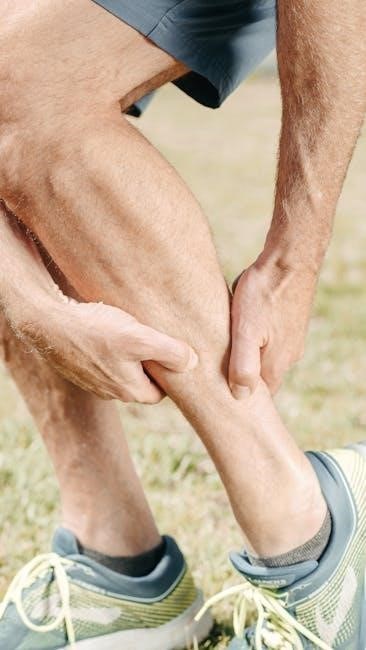
Stretches for SI Joint Pain Relief
PDF guides detail stretches like knee-to-chest and piriformis exercises, crucial for SI joint pain. These targeted movements aim to restore pelvic alignment and reduce discomfort.
Warm-up Exercises Before Stretching
Prior to initiating SI joint stretches, a thorough warm-up is paramount. Many “stretches for SI joint pain PDF” resources emphasize this crucial step, as it prepares the muscles and joints for more intensive movements, minimizing the risk of injury.
Effective warm-up exercises include gentle pelvic tilts – slowly rocking the pelvis forward and backward – to increase awareness and mobility in the SI joint region. Gluteal squeezes, contracting the buttock muscles, also help activate supporting muscles.
Light cardio, such as walking in place or marching, for 5-10 minutes can elevate heart rate and improve blood flow to the lower back and hips. Dynamic stretches, like leg swings (forward, backward, and sideways), further enhance flexibility.
These preparatory exercises should be performed slowly and controlled, focusing on gentle movements rather than forceful stretching. A proper warm-up ensures muscles are pliable and receptive to the benefits of the subsequent stretches detailed in SI joint pain PDF guides.
Knee-to-Chest Stretch
The knee-to-chest stretch is a foundational exercise frequently detailed in “stretches for SI joint pain PDF” guides, renowned for its gentle effectiveness in relieving lower back and SI joint discomfort. This stretch targets the glutes, hamstrings, and lower back muscles, promoting relaxation and improved flexibility.
To perform the stretch, lie flat on your back with knees bent and feet flat on the floor. Gently pull one knee towards your chest, clasping your hands behind your thigh or over your shin. Hold the stretch for 20-30 seconds, breathing deeply.
Repeat on the other side. For a deeper stretch, you can simultaneously pull both knees to your chest. PDF resources often advise maintaining a neutral spine, avoiding excessive rounding of the back.
This stretch helps decompress the SI joint and alleviate muscle tension, contributing to pain reduction. It’s a simple yet powerful tool for managing SI joint dysfunction, as consistently highlighted in relevant PDF materials.
Piriformis Stretch (Seated & Supine)
“Stretches for SI joint pain PDF” resources consistently emphasize the piriformis stretch, recognizing its crucial role in addressing SI joint dysfunction. The piriformis muscle, located deep in the buttock, can compress the sciatic nerve when tight, contributing to lower back and leg pain. Two variations – seated and supine – are commonly illustrated.
For the seated piriformis stretch, sit with your back straight and cross one ankle over the opposite knee. Gently lean forward, keeping your back straight, until you feel a stretch in your buttock. Hold for 20-30 seconds.
The supine version involves lying on your back with knees bent. Cross one ankle over the opposite knee, then gently pull the uncrossed thigh towards your chest.
PDF guides often advise avoiding bouncing and focusing on a slow, controlled stretch. Both variations effectively target the piriformis, relieving pressure on the sciatic nerve and easing SI joint discomfort, making them staples in SI joint pain management programs.
Hamstring Stretches (Standing & Lying)
“Stretches for SI joint pain PDF” guides frequently include hamstring stretches, acknowledging the connection between hamstring tightness and SI joint dysfunction. Tight hamstrings can pull on the pelvis, increasing stress on the SI joint and exacerbating pain. Both standing and lying variations are commonly detailed.
The standing hamstring stretch involves placing one leg straight out in front of you, keeping it slightly bent to avoid locking the knee. Hinge at the hips, keeping your back straight, until you feel a stretch in the back of your thigh. Hold for 20-30 seconds.
For the lying hamstring stretch, lie on your back and loop a towel or strap around one foot. Gently pull the leg straight up, keeping the knee slightly bent, until you feel a stretch.
PDFs emphasize maintaining a neutral spine and avoiding rounding the back during these stretches. Regularly performing these stretches can improve flexibility, reduce pelvic tilt, and alleviate SI joint pain.
Hip Flexor Stretch
“Stretches for SI joint pain PDF” resources consistently highlight the importance of hip flexor stretches, as tight hip flexors can contribute to anterior pelvic tilt, placing strain on the sacroiliac joint. Releasing tension in these muscles can help restore proper pelvic alignment and reduce discomfort.
A common hip flexor stretch is the kneeling lunge stretch. Kneel on one knee, with the other foot flat on the floor in front of you, forming a 90-degree angle. Gently lean forward, keeping your back straight, until you feel a stretch in the front of your hip.
PDF guides often advise against overextending and emphasize maintaining a neutral spine throughout the stretch. Another variation involves performing the stretch standing, gently pulling the knee towards your chest.
Regularly incorporating hip flexor stretches into your routine, as detailed in these PDFs, can improve flexibility, correct postural imbalances, and contribute to long-term SI joint pain relief.
Glute Bridge Exercise
“Stretches for SI joint pain PDF” materials frequently recommend the glute bridge exercise, not strictly a stretch, but a strengthening exercise crucial for SI joint stability. Weak gluteal muscles can contribute to instability and pain in the sacroiliac joint, making this exercise a vital component of a rehabilitation program.
To perform a glute bridge, lie on your back with knees bent and feet flat on the floor. Engage your core and glutes, then lift your hips off the floor, creating a straight line from your shoulders to your knees.
PDF guides emphasize squeezing the glutes at the top of the movement and maintaining a controlled descent. Variations include adding a resistance band around the knees or performing single-leg glute bridges for increased challenge.
Consistent glute bridge practice, as outlined in these resources, strengthens the muscles supporting the SI joint, improving stability and reducing pain over time.

Advanced Stretching Techniques
“Stretches for SI joint pain PDF” resources often include pelvic tilts, cat-cow, and child’s pose. These techniques enhance mobility and stability, requiring careful execution.
Spinal twists are also featured, but modifications are key to avoid aggravating the SI joint.
Pelvic Tilts
Pelvic tilts are a foundational exercise frequently detailed in “stretches for SI joint pain PDF” guides. This gentle movement improves awareness and control of the pelvic region, crucial for SI joint stability. To perform a pelvic tilt, lie on your back with knees bent and feet flat on the floor.
Engage your abdominal muscles and gently flatten your lower back against the floor, tilting your pelvis upward. Hold for a few seconds, then relax and allow a small natural arch to return to your lower back.
Repeat this motion slowly and controlled, focusing on isolating the pelvic movement. Many PDFs recommend 10-15 repetitions, performed 2-3 times daily.
Proper form is paramount; avoid using your glutes or straining your back. Pelvic tilts help restore neutral pelvic alignment, reducing stress on the SI joint and alleviating pain. They are often recommended as a starting point before progressing to more complex stretches.
Consistent practice can significantly improve core stability and overall SI joint function, as outlined in comprehensive PDF resources.
Cat-Cow Stretch
The Cat-Cow stretch, a cornerstone of many “stretches for SI joint pain PDF” resources, promotes spinal mobility and gently mobilizes the SI joints. Begin on your hands and knees, ensuring your hands are shoulder-width apart and knees are hip-width apart. Maintain a neutral spine.
For the “Cat” pose, exhale and round your spine towards the ceiling, tucking your chin to your chest and drawing your abdominal muscles inward. Imagine pulling your belly button towards your spine.
Then, transition to the “Cow” pose by inhaling and arching your back, dropping your belly towards the floor, and lifting your chest and tailbone towards the ceiling.
Continue alternating between these two poses slowly and rhythmically, coordinating your breath with each movement. PDFs often suggest 10-15 repetitions. This stretch improves flexibility and reduces stiffness in the lower back and SI joints.
Focus on smooth, controlled movements, avoiding any sharp or jerky motions. It’s a gentle yet effective way to enhance spinal health and alleviate SI joint discomfort.
Child’s Pose
Frequently featured in “stretches for SI joint pain PDF” guides, Child’s Pose offers a gentle stretch for the lower back, hips, and thighs, promoting relaxation and relieving tension around the SI joints. Begin on your hands and knees, then sit back on your heels, keeping your knees hip-width apart or wider if more comfortable.
Fold forward, resting your torso between your thighs, and extend your arms forward, palms facing down. Alternatively, you can rest your arms alongside your body, palms facing up.
Allow your forehead to rest on the floor, or use a block or pillow for support if needed. Breathe deeply and relax into the stretch, feeling a gentle lengthening in your lower back.
Hold the pose for 30 seconds to several minutes, focusing on releasing tension in your lower back and hips; PDFs often recommend variations, such as extended Child’s Pose with arms reaching forward.
This restorative pose is excellent for calming the nervous system and providing relief from SI joint pain, making it a valuable addition to any stretching routine.
Spinal Twists (Seated & Supine)
“Stretches for SI joint pain PDF” resources commonly include spinal twists, both seated and supine, to improve spinal mobility and alleviate SI joint discomfort. Seated twists involve sitting with legs extended, bending one knee and crossing it over the other, then twisting your torso towards the bent knee, using your opposite arm for leverage.
Supine twists are performed lying on your back with knees bent, gently dropping both knees to one side while keeping your shoulders flat on the floor. These twists gently mobilize the spine, promoting better alignment and reducing stiffness.
PDF guides emphasize performing these twists gently, avoiding any forceful movements that could aggravate the SI joint. Focus on maintaining a neutral spine and breathing deeply throughout the stretch.
Hold each twist for 20-30 seconds, repeating 2-3 times on each side. Modifications, like using a pillow under your knees, are often suggested for comfort.
Spinal twists can help release tension in the lower back and hips, contributing to overall SI joint pain relief and improved flexibility.
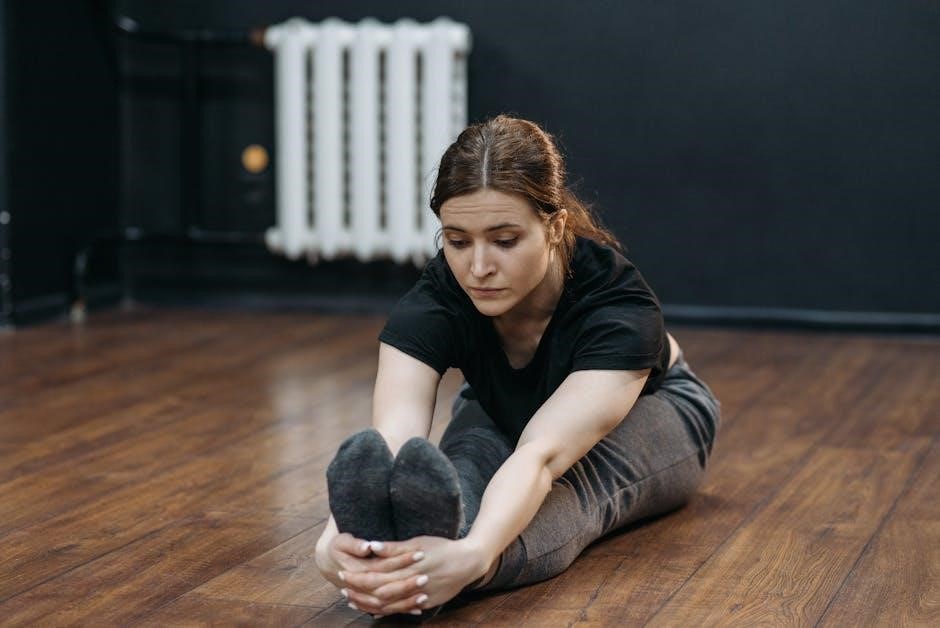
Stretches to Avoid with SI Joint Pain
“Stretches for SI joint pain PDF” guides advise against deep backbends and high-impact exercises. Aggressive twisting motions can also exacerbate pain; prioritize gentle movements instead.
Deep Back Bends
Many “stretches for SI joint pain PDF” resources strongly caution against deep back bends. These movements, such as full wheel pose or extensive backward arching, place significant stress directly on the sacroiliac joints. This increased pressure can inflame the joint and surrounding ligaments, intensifying existing pain or even triggering new episodes of dysfunction.
The instability inherent in deep backbends challenges the SI joint’s primary function – providing a stable connection between the spine and pelvis. Individuals with SI joint issues often experience hypermobility or instability, making them particularly vulnerable to aggravation from these stretches.
Instead of deep backbends, PDFs recommend gentler spinal mobility exercises. Cat-cow stretches, performed with controlled movements and a limited range of motion, can promote flexibility without overstressing the SI joint. Focus on maintaining a neutral spine and avoiding any forceful extension. Prioritizing controlled, smaller movements is key to safe and effective stretching.
High-Impact Exercises
“Stretches for SI joint pain PDF” guides consistently advise against high-impact exercises. Activities like running, jumping, and plyometrics transmit significant force through the body, directly impacting the sacroiliac joints. This jarring motion can exacerbate inflammation and instability, worsening pain and hindering the healing process.
The SI joint’s role in shock absorption is compromised when already dysfunctional. High-impact movements overwhelm its capacity to effectively distribute force, leading to increased stress and potential damage. Individuals experiencing SI joint pain often benefit from low-impact alternatives.
PDF resources suggest substituting high-impact activities with options like swimming, walking, or cycling. These exercises provide cardiovascular benefits without placing excessive strain on the SI joint. Gradual progression and proper form are crucial when reintroducing activity. Prioritizing controlled movements and listening to your body’s signals is paramount for safe rehabilitation.
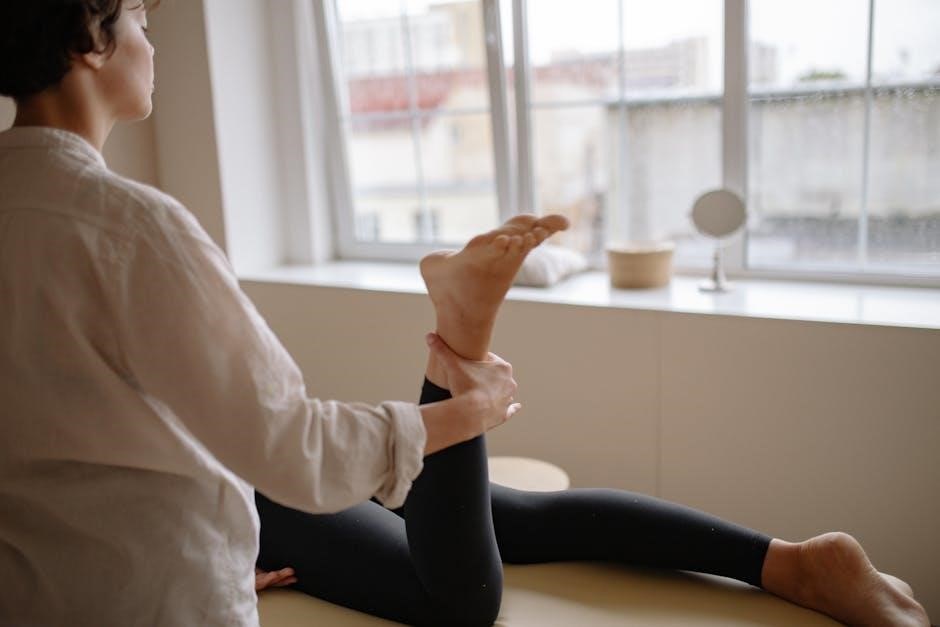
Twisting Movements (Aggressive)
“Stretches for SI joint pain PDF” materials universally caution against aggressive twisting motions. Rapid or forceful rotations of the torso place undue stress on the sacroiliac joints, potentially aggravating existing dysfunction. These movements can disrupt the joint’s alignment and contribute to increased pain and inflammation.
The SI joint’s limited range of motion makes it particularly vulnerable to injury from excessive twisting. Unlike the spine, it’s not designed for significant rotational forces. Overstretching or forcing a twist beyond a comfortable range can strain ligaments and surrounding muscles.
PDF guides recommend modified twisting exercises with a focus on controlled movements and limited range. Gentle spinal twists, performed slowly and with awareness, may be beneficial for some individuals. However, avoiding quick, jerky, or deep twisting motions is crucial; Prioritizing stability and listening to your body’s feedback is essential for safe and effective rehabilitation.
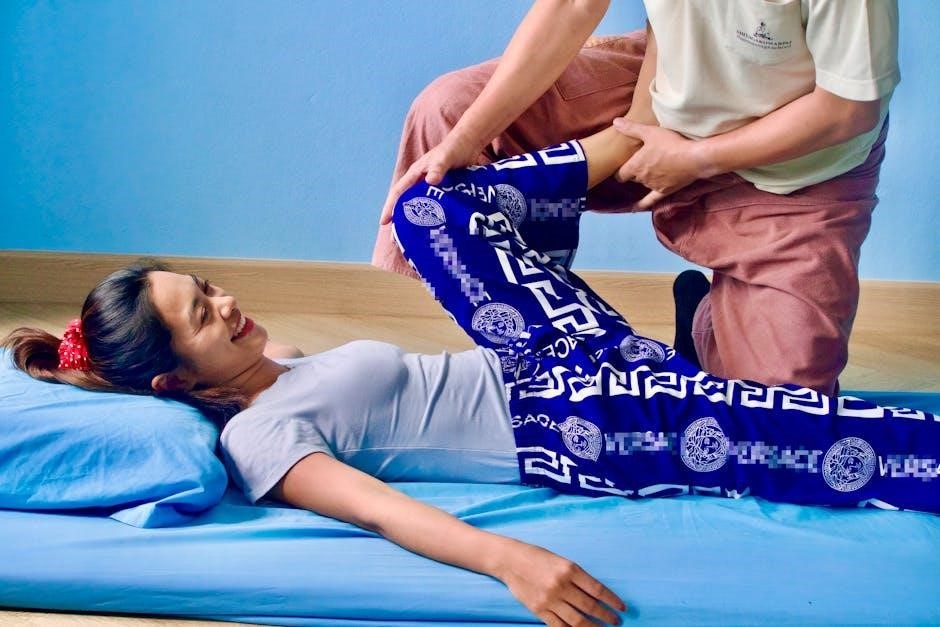
Integrating Stretches into a Routine
“Stretches for SI joint pain PDF” guides suggest consistent, gentle integration. Frequency varies, but daily short sessions are often recommended. Listen to your body carefully!
Frequency and Duration
PDF resources detailing stretches for SI joint pain commonly advise a gradual approach to integration. Initially, performing these stretches 2-3 times daily for 10-15 minutes each session is often suggested. However, individual needs vary significantly, and it’s crucial to adjust based on your body’s response.
Consistency is key; short, frequent sessions are generally more beneficial than infrequent, lengthy ones. Avoid pushing yourself beyond a comfortable range of motion. A slight stretch should be felt, but never pain. As your flexibility improves and pain subsides, you can gradually increase the duration to 20-30 minutes or add additional repetitions.
“Stretches for SI joint pain PDF” guides often emphasize the importance of listening to your body. If a stretch exacerbates your pain, stop immediately and modify the exercise or consult with a healthcare professional. Remember, the goal is to alleviate discomfort, not to intensify it. Regularity, combined with mindful attention to your body’s signals, will yield the best results.
Listening to Your Body
“Stretches for SI joint pain PDF” guides consistently highlight the paramount importance of bodily awareness. Pain is a signal, and ignoring it can hinder recovery and potentially worsen your condition. A gentle stretching sensation is acceptable, but sharp, radiating, or increasing pain necessitates immediate cessation.
Each individual’s pain tolerance and joint mobility differ. What works for one person may not be suitable for another. Avoid comparing your progress to others and focus solely on your own experience. Modify stretches as needed to accommodate your limitations, reducing the range of motion or holding the pose for a shorter duration.
Pay attention to subtle cues beyond just pain – feelings of instability, clicking, or locking in the SI joint should also prompt you to stop. Rest when needed, and don’t push through discomfort. Prioritizing mindful movement and respecting your body’s boundaries is crucial for safe and effective pain management.
Combining Stretches with Other Therapies
“Stretches for SI joint pain PDF” resources often emphasize a holistic approach to treatment, advocating for combining stretching routines with other therapeutic interventions. Stretching alone may provide temporary relief, but addressing underlying muscle imbalances and joint dysfunction is key for long-term improvement.
Consider integrating stretches with physical therapy, which can provide personalized exercise programs and manual techniques to restore proper joint mechanics. Core strengthening exercises, frequently recommended alongside SI joint stretches, enhance stability and support the pelvis.
Other complementary therapies include massage, chiropractic care, and acupuncture. These modalities can help release muscle tension, improve circulation, and reduce inflammation. PDF guides may suggest incorporating heat or ice therapy before or after stretching to further alleviate pain and promote healing. A multi-faceted approach yields the best outcomes.

Additional Considerations
“Stretches for SI joint pain PDF” guides highlight core strength’s importance, alongside proper posture. Seek professional help if pain persists or worsens despite consistent stretching efforts.
Importance of Core Strength
Many “stretches for SI joint pain PDF” resources emphasize that a strong core is fundamental to SI joint stability. The core muscles – encompassing abdominals, back muscles, and pelvic floor – act as a natural brace, supporting the pelvis and reducing stress on the SI joints.
Weak core muscles can contribute to imbalances, leading to increased movement and strain in the SI joint, exacerbating pain. Strengthening these muscles helps control pelvic motion and maintain proper alignment during daily activities and exercise.
PDF guides often include core-strengthening exercises like planks, bird-dogs, and abdominal draws, alongside the stretches themselves. Integrating these exercises into a routine is crucial for long-term relief and prevention of recurrence. A holistic approach, combining stretching and core work, yields the most significant and lasting benefits for SI joint dysfunction.
Remember to engage your core throughout all stretches to maximize their effectiveness and protect your lower back.
Proper Posture and Body Mechanics
“Stretches for SI joint pain PDF” guides frequently highlight the critical role of posture and body mechanics in managing and preventing SI joint dysfunction. Maintaining neutral spinal alignment minimizes stress on the SI joints during everyday movements.
Poor posture – such as slouching or excessive arching of the back – can disrupt pelvic alignment, increasing strain on the SI joints and contributing to pain. Proper body mechanics involve using your muscles efficiently when lifting, bending, and twisting, avoiding excessive strain.
PDF resources often provide illustrations and instructions on correct lifting techniques, emphasizing bending at the knees and keeping your back straight. Awareness of posture throughout the day is key; setting reminders to check your alignment can be beneficial. Combining stretches with conscious postural correction and mindful movement patterns maximizes relief and promotes long-term joint health.
Consider ergonomic adjustments to your workspace to support good posture.
When to Seek Professional Help
While “stretches for SI joint pain PDF” resources offer valuable self-management tools, professional evaluation is crucial in certain situations. If pain is severe, unrelenting, or accompanied by neurological symptoms like numbness, tingling, or weakness in the legs, consult a healthcare provider immediately.
Stretches may not be sufficient if the SI joint dysfunction is caused by a significant injury, such as a fall or car accident. A physical therapist or chiropractor can accurately diagnose the underlying cause of your pain and develop a personalized treatment plan.
If self-treatment with stretches doesn’t provide noticeable improvement within a few weeks, or if your pain worsens, seek professional guidance. They can rule out other potential causes of back pain and determine if more advanced interventions, like injections or manual therapy, are necessary. Don’t hesitate to seek help – early intervention can prevent chronic pain.