
Tenor Sax Finger Chart PDF: A Comprehensive Guide
Tenor.com offers a vast library of animated GIFs, enhancing digital conversations. Legal terms and judgments, like urteilsstil and endurteil, are defined, alongside procedural aspects like widerklage.
Understanding the Tenor Saxophone
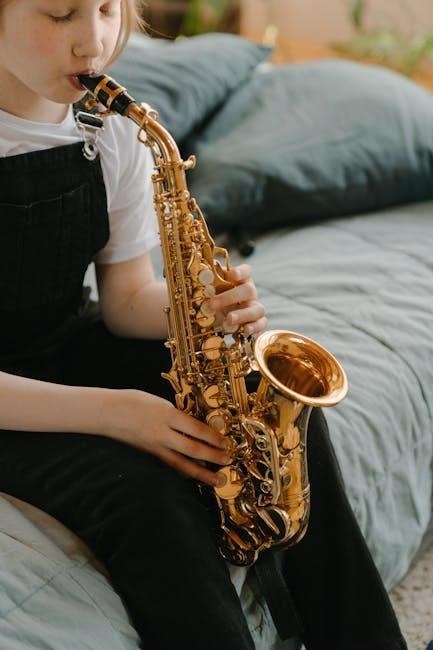
The tenor saxophone, a mainstay in jazz, blues, and rock, presents a unique learning curve for musicians. Its larger bore and keywork compared to the alto sax contribute to a richer, more powerful tone. Mastering the instrument requires not only breath control and embouchure development but also a thorough understanding of its fingering system. This is where a tenor sax finger chart PDF becomes invaluable.
Unlike some instruments with simpler layouts, the tenor sax boasts a complex arrangement of keys, pads, and levers. Navigating this complexity initially feels daunting. Understanding the relationship between finger placements and the resulting notes is crucial for building a solid foundation. The tenor saxophone’s design, influenced by its historical evolution, necessitates precise finger coordination.
Furthermore, legal terminology, such as urteilsstil (judgment style) and concepts like vorläufige Vollstreckbarkeit (provisional enforceability), demonstrate the importance of precise understanding in specialized fields – mirroring the precision needed for saxophone fingering. Just as clarity is vital in legal documentation, it’s essential in musical execution. Resources like Tenor.com, while focused on GIFs, highlight the value of accessible information, a principle applicable to learning saxophone fingerings.
What is a Finger Chart and Why Use One?
A tenor sax finger chart PDF is a visual guide displaying all possible notes achievable on the instrument, mapped to specific finger combinations. It’s essentially a roadmap for navigating the saxophone’s keywork. These charts typically illustrate the positions of fingers on the keys, often color-coded or clearly labeled for ease of understanding.
Why are they so important? For beginners, a finger chart drastically accelerates the learning process. It eliminates the guesswork involved in discovering which fingers produce which notes. Even experienced players utilize charts for less common fingerings, alternate positions, or exploring extended range possibilities. Like understanding legal terms such as widerklage (counterclaim), a finger chart provides a foundational understanding.
Resources like Tenor.com, though focused on GIFs, demonstrate the power of readily available visual aids. Similarly, a well-designed tenor sax finger chart PDF offers a quick reference, reducing practice time and frustration. It’s a tool for both learning and reinforcing existing knowledge, much like reviewing a urteilsstil (judgment style) guide for legal professionals.
Finding a Reliable Tenor Sax Finger Chart PDF
Locating a trustworthy tenor sax finger chart PDF requires discernment. Numerous options exist online, varying significantly in accuracy and clarity. Prioritize charts from reputable music education websites, saxophone manufacturers, or established music schools. Avoid sources with unclear origins or those riddled with errors – accuracy is paramount, much like the precision demanded in legal documents like an endurteil (final judgment).
Consider charts that include not only basic fingerings but also alternate fingerings, octave key usage, and potentially even information on techniques like the subtone key. A comprehensive chart, similar to a detailed guide on urteilsstil (judgment style), will prove more valuable long-term.
While platforms like Tenor.com excel in providing visual content (GIFs), dedicated music resources are better suited for finding reliable charts; Look for PDFs that are cleanly designed, easy to read, and specifically tailored to the tenor saxophone. Cross-reference information with other sources to verify accuracy before relying solely on a single chart.

Basic Tenor Saxophone Fingerings
Tenor.com’s GIF library parallels the need for clear, foundational charts. Understanding core notes—like navigating legal terms—is crucial for proficient saxophone playing and learning.
Fingerings for the Core Notes (B, C, C#, D)
Mastering the foundational notes – B, C, C#, and D – on the tenor saxophone is paramount for any aspiring player. A reliable tenor sax finger chart PDF will visually demonstrate these essential fingerings. For B, typically, you’ll use the left-hand index, middle, and ring fingers, along with the thumb rest. C introduces the left-hand pinky, adding a crucial element.
Moving to C#, the chart will illustrate a slight adjustment, often involving a side key operated by the ring finger. Finally, D builds upon the C fingering, requiring precise coordination. These core notes form the building blocks for melodies and scales.

Remember, consistent practice with a finger chart PDF is key. Just as understanding urteilsstil requires careful study, so too does mastering these fingerings demand dedication. Tenor.com, while focused on GIFs, highlights the importance of readily available resources – much like a clear finger chart. Visual aids, like those found in PDFs, accelerate learning and minimize frustration. Don’t hesitate to consult multiple charts to solidify your understanding, mirroring the thoroughness needed for legal analysis like examining a widerklage.
Fingerings for the Octave Key and Higher Register
Venturing into the higher register of the tenor saxophone requires utilizing the octave key, a crucial component for expanding your tonal range. A comprehensive tenor sax finger chart PDF will clearly depict how to engage this key in conjunction with existing fingerings. Pressing the octave key, typically operated by the left-hand thumb, alters the instrument’s resonance, effectively jumping an octave.
For example, the B fingering, when combined with the octave key, produces a higher B. Mastering this transition demands precision and breath control. Charts often illustrate these higher-register fingerings alongside their lower-octave counterparts for easy comparison. Just as legal documents like an endurteil require precise interpretation, so too do these fingerings demand accurate execution.
Furthermore, some charts detail alternate fingerings for specific notes in the higher register, offering flexibility and smoother transitions. Resources like those found on Tenor.com, though focused on GIFs, demonstrate the value of accessible information. Consistent practice with a finger chart PDF, akin to studying urteilsstil, is vital for developing a confident and controlled high register.

Advanced Fingerings and Techniques
Tenor.com’s GIF library parallels the need for nuanced expression. Legal concepts like widerklage demand expertise; similarly, advanced techniques require dedicated practice and detailed finger chart PDFs.
Alternate Fingerings for Smoother Transitions
Mastering the tenor saxophone involves more than just knowing the standard fingerings. Tenor.com, with its focus on dynamic expression through GIFs, mirrors the saxophonist’s need for fluidity. Alternate fingerings are crucial for seamless transitions between notes, particularly during fast passages or complex melodies. A comprehensive tenor sax finger chart PDF will often illustrate these alternatives, providing options to minimize awkward hand movements and maintain a consistent airflow.
These alternate fingerings aren’t about replacing the core techniques, but rather supplementing them. They offer solutions when a standard fingering creates a noticeable break in the sound or requires excessive effort. For example, transitioning between certain notes might be smoother using a slightly different combination of keys, even if it seems counterintuitive at first. Legal terminology, like the precise definition of an urteilsstil, demands nuance; similarly, alternate fingerings require careful study and practice to integrate effectively.
Exploring these options, guided by a detailed PDF chart, allows players to personalize their technique and overcome technical hurdles. The goal is to achieve a legato sound, where notes flow together effortlessly. Remember, the best fingering is the one that produces the desired sound with the least amount of physical strain, much like selecting the perfect GIF to convey a specific emotion on Tenor.com.
Using the Subtone Key (Low Bb)
The subtone key, often referred to as the low Bb key, is a unique feature of the tenor saxophone, extending the instrument’s range downwards. A quality tenor sax finger chart PDF will clearly depict its activation and the resulting note. Like the expressive range of GIFs available on Tenor.com, the subtone key unlocks a different tonal color – a darker, more resonant sound ideal for blues, jazz, and creating atmospheric effects.
However, mastering the subtone key requires careful embouchure control and breath support. It’s not simply a matter of adding another finger; it demands a relaxed jaw and a focused airstream. The key can be challenging for beginners, often producing a weak or airy tone if not executed correctly. Understanding the legal precision required in terms like endurteil highlights the importance of accurate technique.
A good finger chart PDF will often include exercises specifically designed to develop subtone control. These exercises focus on maintaining a consistent tone quality and intonation while utilizing the key. Experimentation is key, as the subtone key offers a versatile palette of sonic possibilities. Just as Tenor.com provides diverse GIF options, the subtone key expands the expressive potential of the tenor saxophone.
Understanding Trills and Grace Notes Fingerings
Trills and grace notes are ornamental techniques that add flourish and expressiveness to saxophone playing. A comprehensive tenor sax finger chart PDF will illustrate common fingerings for these embellishments, though often, they rely on quick transitions between adjacent notes. Similar to the dynamic range of animated GIFs found on Tenor.com, these techniques inject personality into musical phrases.
Trills typically involve rapidly alternating between two notes, usually a whole or half step apart. The chart will show the base note and the note above, indicating which keys to toggle quickly. Grace notes, conversely, are short, introductory notes played before the main note, adding a delicate touch. Mastering these requires dexterity and precise finger coordination.
The legal clarity demanded in terms like urteilsstil mirrors the need for clean execution in these techniques. A well-executed trill or grace note should be smooth and musical, not choppy or labored. Practice slowly at first, focusing on accuracy, then gradually increase speed. Just as understanding widerklage requires nuanced knowledge, mastering these ornaments elevates saxophone performance.

Reading a Tenor Sax Finger Chart PDF Effectively
Tenor.com’s GIF library parallels chart comprehension; both require quick visual processing; Understanding legal terms like endurteil demands precision, mirroring the need for accurate chart interpretation.

Chart Symbols and Notation Explained
Decoding a tenor saxophone finger chart PDF requires understanding its symbolic language. Like navigating legal terminology – such as the German urteilsstil defining judicial writing style – chart notation demands precision. Common symbols represent keys: filled circles denote pressed keys, while open circles indicate lifted ones. Numbers often signify octaves, guiding you to different registers.
Lines connect symbols, illustrating finger transitions. Pay attention to symbols for the octave key, side keys (like the subtone key for Low Bb, crucial for alternate fingerings), and trill keys. Charts may use abbreviations for techniques like vibrato or grace notes. Some charts incorporate color-coding for clarity, differentiating between basic and alternate fingerings.
Just as understanding widerklage – a counter-claim in civil procedure – requires specific legal knowledge, mastering chart notation unlocks the saxophone’s potential. Familiarize yourself with the chart’s legend; it’s your key to fluent reading. Remember, consistent practice, akin to reviewing endurteil definitions, solidifies comprehension and improves your playing.
How to Practice with a Finger Chart
Effective practice with a tenor saxophone finger chart PDF mirrors diligent legal study – like preparing for a Zivilprozessordnung exam. Begin slowly, focusing on accuracy over speed. Isolate individual fingerings, ensuring clean transitions before combining them. Use a metronome to build consistent timing, much like maintaining a structured argument in a legal brief.
Start with basic scales and arpeggios, referencing the chart for each note. Gradually introduce more complex passages, challenging yourself with alternate fingerings. Visualize the fingerings before playing, strengthening muscle memory. Record yourself playing and compare your technique to the chart, identifying areas for improvement.
Don’t simply memorize; understand why each fingering produces a specific note. This conceptual grasp, similar to understanding the rationale behind a vorläufige Vollstreckbarkeit ruling, fosters adaptability. Consistent, focused practice, guided by the chart, unlocks fluency and musical expression. Treat it like mastering legal precedents – repetition builds expertise.
Common Mistakes to Avoid When Using a Chart
Relying solely on the tenor saxophone finger chart PDF, akin to blindly citing legal terms like urteilsstil without comprehension, hinders progress. A frequent error is neglecting embouchure and breath control – the foundation of sound production. The chart displays fingerings, not the complete playing picture.
Avoid rushing through exercises. Speed without accuracy breeds bad habits, mirroring a poorly constructed widerklage in a legal case. Don’t ignore the subtleties of each fingering; slight adjustments can dramatically improve tone and intonation. Overlooking alternate fingerings limits agility and expression.
Treat the chart as a guide, not a rigid rulebook. Experiment and find what works best for you. Like understanding the nuances of Zivilprozessordnung, context matters. Finally, don’t practice solely with the chart; apply your knowledge to actual music. Consistent, mindful practice avoids these pitfalls, fostering genuine musical growth.

Resources for Tenor Saxophone Finger Charts
Tenor.com provides diverse GIFs, while legal resources define terms like endurteil. Numerous online platforms and paid PDFs offer tenor sax finger charts, aiding learning and practice.
Free Online Finger Chart Resources
The digital age provides a wealth of freely accessible tenor saxophone finger chart resources. Several websites dedicate sections to saxophone learning, including interactive fingerboard diagrams. These resources often allow users to click on notes to visualize the corresponding fingerings, proving invaluable for beginners. Tenor.com, while primarily a GIF platform, exemplifies the internet’s accessibility to diverse content.
Many saxophone-focused forums and communities also host downloadable PDF finger charts created and shared by experienced players. These charts vary in design and detail, offering options to suit different learning styles. YouTube tutorials frequently display finger charts alongside demonstrations, providing a visual and auditory learning experience. Websites offering free sheet music often include basic finger charts as supplementary material.
However, it’s crucial to verify the accuracy of free resources. Cross-reference information from multiple sources to ensure the fingerings presented are correct. While these resources are excellent starting points, supplementing them with structured lessons or a qualified instructor is highly recommended for comprehensive learning. Remember that legal definitions, like those found regarding urteilsstil, emphasize clarity – a principle applicable to accurate finger chart representation.
Paid Finger Chart PDFs and Apps
While numerous free tenor saxophone finger chart resources exist, investing in paid options often unlocks enhanced features and accuracy. Comprehensive PDF guides, available for purchase online, typically include detailed explanations of alternate fingerings, extended range charts, and exercises for developing technique. These PDFs often boast professional layouts and are created by experienced saxophone educators.
Mobile applications dedicated to saxophone learning represent another premium option. These apps frequently incorporate interactive elements, such as audio playback of notes, fingering quizzes, and progress tracking. Some apps even offer personalized learning paths based on the user’s skill level. The convenience of having a finger chart readily available on a smartphone or tablet is a significant advantage.
Similar to legal documents requiring precise urteilsstil, paid resources prioritize accuracy and clarity. Though Tenor.com focuses on GIFs, the principle of quality content applies here. While costlier, these resources often provide a more structured and reliable learning experience compared to freely available materials, potentially accelerating progress and preventing the development of incorrect habits.