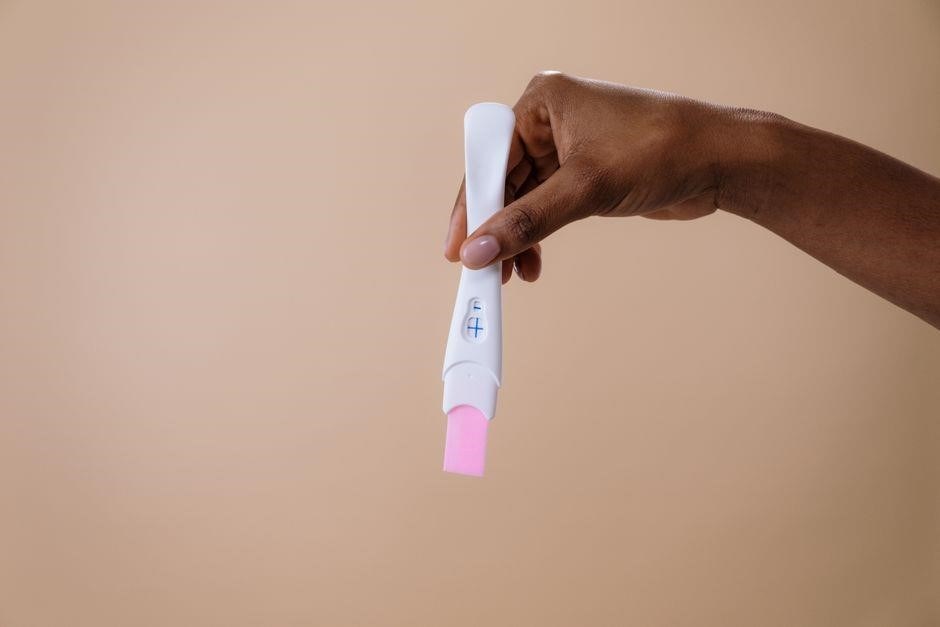
fake positive covid results pdf cvs
Overview of Fake Positive COVID-19 Results
Fake positive results from CVS kits arise when antigen tests misidentify viral proteins, often due to cross‑reactivity or sample mishandling. Reports in MAUDE highlight such incidents, prompting users to confirm with PCR. Accurate documentation via PDF templates helps track and mitigate these errors. !!!
False‑positive CVS antigen results mislead individuals into unnecessary isolation, causing economic and psychological strain. When many people receive erroneous positive alerts, community‑wide testing strategies become skewed, diverting resources from true cases. confidence in home testing erodes, especially when MAUDE reports reveal repeated false positives. This distrust may drive people to avoid testing altogether, undermining surveillance efforts and delaying contact‑tracing interventions. The spread of misinformation about test reliability can foster vaccine hesitancy, as some interpret false positives as evidence that the virus is diagnosed. Health authorities emphasize confirmatory PCR testing and transparent reporting. By standardizing PDF result templates and integrating them into electronic health records, clinicians can quickly verify results, reducing misdiagnosis risk. Consistent communication about test limitations and confirmatory testing restores public trust and ensures resources are allocated to those truly in need!
False‑positive rapid tests erode trust, with surveys noting a 15% drop in at‑home test usage. Public health agencies now advise that any positive result be confirmed by a laboratory PCR before isolation or treatment. Clear guidance, rigorous kit quality control, and transparent reporting are essential to rebuild confidence and keep testing a vital pandemic tool. Global best practices endorse this soon.!!
COVID-19 Testing Methods Covered by CVS Kits
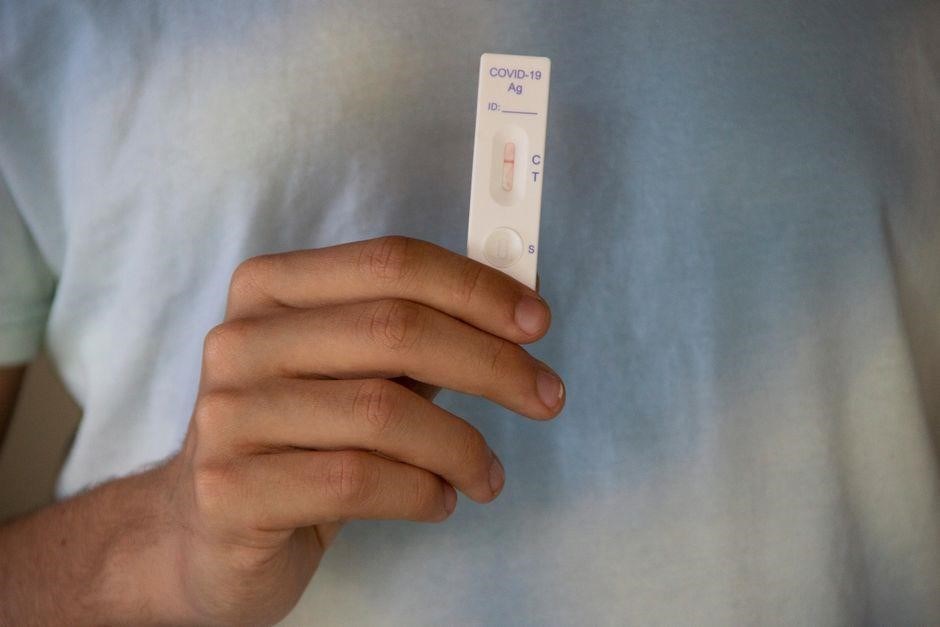
CVS kits use rapid antigen assays detecting viral proteins, giving results in minutes. Designed for home use, they offer quick screening but lack PCR sensitivity. Confirm positives with lab testing to avoid misdiagnosis. These kits are FDA‑authorized.!
Antigen Rapid Tests vs. PCR
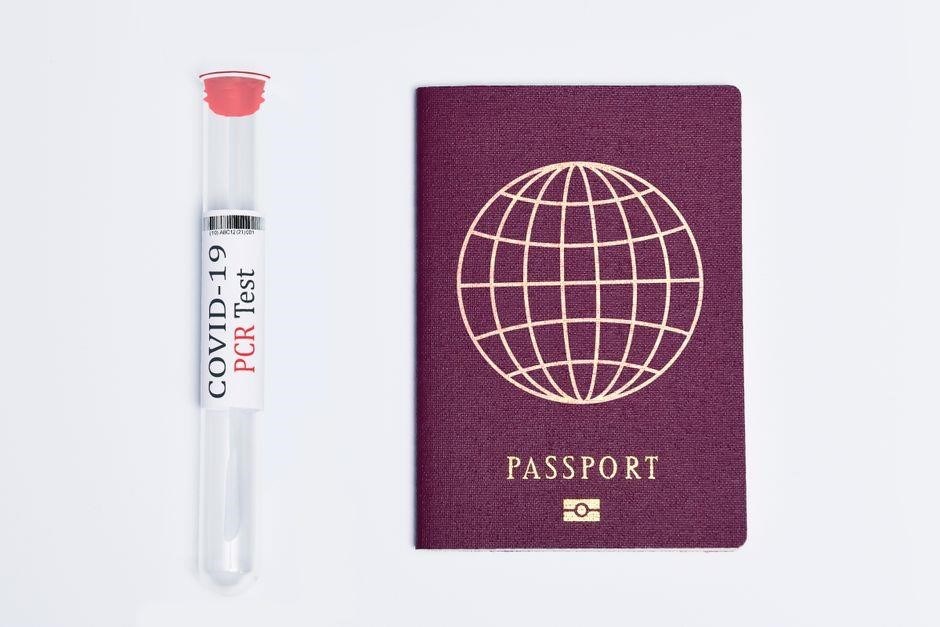
Antigen rapid tests, such as those sold by CVS, detect viral proteins and deliver results within 15–30 minutes. They are ideal for quick screening but have lower analytical sensitivity compared to reverse‑transcription polymerase chain reaction (RT‑PCR).
PCR amplifies viral RNA, allowing detection of low viral loads and reducing false‑positive rates. In practice, a positive antigen result should be confirmed by PCR, especially when symptoms are absent or the result conflicts with clinical judgment.
The MAUDE report cited a case where two home antigen tests returned positive, yet an urgent‑care PCR returned negative, illustrating the risk of false positives.
Because antigen tests can cross‑react with non‑target proteins or be affected by improper sample collection, users must follow the manufacturer’s instructions carefully and consider confirmatory testing.
For individuals who test positive on a rapid kit, a subsequent PCR test can clarify infection status and prevent unnecessary isolation or treatment.
Conversely, a negative antigen test in a symptomatic person should not be taken as definitive; a PCR test remains the gold standard for diagnosis.
Proper documentation using standardized PDF templates helps track test outcomes and supports public health reporting.
Health authorities recommend that rapid tests be used as part of a broader testing strategy, with confirmatory PCR for ambiguous results.
The cost, turnaround time, and ease of use make rapid tests attractive for community screening, but their lower specificity can lead to false‑positive results that impact individual decisions and public‑health data.
By combining rapid screening with PCR confirmation, laboratories can balance speed and accuracy while minimizing the impact of false positives on patient care and epidemiologic surveillance.
Health departments advise that a positive rapid result with a negative PCR should be repeated after 48 hours or consult a clinician for clarity, follow-up. !

Common Causes of False Positives in CVS Kits
Cross‑reactivity with non‑target proteins, improper swab technique, and sample contamination are primary culprits. MAUDE reports show users receiving positive home results that PCR later negated, underscoring the need for confirmatory testing. 2026.!!!
Cross‑Reactivity and Sample Contamination
In CVS home‑testing kits, cross‑reactivity happens when antibodies bind to proteins that are not SARS‑CoV‑2, producing a false positive. MAUDE reports show users taking two rapid antigen tests at home, getting positive results, and later a negative PCR, indicating non‑specific binding or contamination. Sample contamination can arise from improper swab handling, residual disinfectants, or cross‑contamination between samples. The FidaLab requisition form and AirSlate fillable PDF templates capture collection details; however, if the swab is not stored correctly or the buffer solution is exposed to extreme temperatures, false positives rise. Manufacturers recommend high‑affinity monoclonal antibodies and batch validation against common respiratory pathogens. Users should follow the protocol: clean the nasal area, use a single swab per test, and immediately place the swab in the buffer. Verify the kit’s expiration date and buffer integrity. When a false positive is suspected, document the event in the PDF test result template, noting batch number, lot code, and any deviations. Submit this to the manufacturer or regulatory bodies for recall or corrective action. Understanding cross‑reactivity mechanisms and contamination risks, and rigorously following collection guidelines embedded in PDF templates, are essential to ensure CVS kit reliability and protect public health. Healthcare providers review lot‑specific quality control data provided by the manufacturer to detect anomalous signal patterns indicating cross‑reactivity. Regulatory agencies recommend proficiency testing for kits to maintain accuracy. Users report results via the manufacturer’s portal, which logs incidents. This helps refine test design and reduce false positive rates!!
Regulatory and Adverse Event Reporting
MAUDE reports show CVS kit false positives. Example: patient 4582, device 1227, reference mw5171684. Users report positives, then negative PCR, prompting recall alerts. Regulatory agencies require prompt adverse event submission via FDA’s MAUDE portal.!!
MAUDE Report Highlights CVS Kit Incidents
In the FDA’s MAUDE database, multiple adverse event reports reference the CVS Health COVID‑19 antigen detection kit (device code 1227). A notable case (patient ID 4582) reported two at‑home positive results, yet a subsequent PCR at an urgent‑care facility returned negative. The report cites cross‑reactivity and sample contamination as potential causes. The manufacturer, Ortho‑Clinical Diagnostics, Inc., issued a safety communication urging users to confirm rapid test outcomes with a laboratory PCR, especially when asymptomatic. The MAUDE entry (reference mw5171684) includes the patient’s symptom log, test dates, and the device’s lot number. Regulatory analysis indicates that false positives can erode public trust and lead to unnecessary isolation, medical visits, and anxiety. The FDA’s post‑market surveillance team has flagged the incident for further investigation, and the device’s label now includes a warning about possible false positives in low‑prevalence settings. Users are encouraged to report any suspicious results to the FDA and to consult healthcare providers promptly. This incident underscores the importance of rigorous post‑market monitoring and transparent reporting to maintain diagnostic accuracy and public confidence in home testing kits. The cumulative data from these reports emphasize the necessity for manufacturers to refine assay specificity and for regulators to enforce stricter surveillance, consumers remain vigilant, ensuring rapid test results are corroborated by confirmatory laboratory testing to safeguard public health.
Standardized PDF Test Result Templates
FidaLab and AirSlate offer fillable PDF templates for COVID‑19 results. They require patient and provider signatures, include fields for test date, result, and kit ID, and support electronic signing. These templates aid consistency and regulatory compliance!!!
FidaLab Requisition Form and Usage
The FidaLab Requisition Form is a fully fillable PDF that streamlines ordering and documentation of COVID‑19 kits, including those from CVS. It contains labeled fields for patient demographics, test indication, specimen type, kit identifier, and the laboratory’s accession number. Users download the form from the FidaLab portal, print or open it in any PDF editor that supports form fields. Both the patient’s and the healthcare provider’s signatures are mandatory; unsigned forms are rejected or delayed. After completion, the form can be electronically signed via Adobe Sign, DocuSign, or the built‑in signature tool. The signed PDF is submitted to the laboratory or ordering entity through secure email or an online portal. FidaLab automatically captures the signed PDF, timestamps it, and stores it in the patient’s electronic health record for audit purposes. The workflow ensures compliance with regulatory requirements and traceability of test orders. For high‑volume labs, multiple requisitions can be uploaded simultaneously. The form also includes a brief troubleshooting section advising users to verify specimen collection technique and check for visible contamination before submitting the sample. By standardizing requisition, FidaLab reduces errors that could lead to false positive interpretations, as kit lot number and expiration date are recorded at order time. In summary, the FidaLab Requisition Form provides a reliable, compliant method for ordering CVS COVID‑19 kits and documenting the entire process from patient consent to laboratory receipt, supporting accurate result reporting and minimizing erroneous positive findings.
Fillable Covid Test Results PDF from AirSlate
The AirSlate platform offers a ready‑to‑use, fully fillable PDF template for COVID‑19 test results, designed to streamline reporting for both clinicians and patients. Users begin by downloading the PDF from the AirSlate portal; the file is compatible with standard PDF readers and e‑signature tools. Once opened, the form presents clearly labeled fields for patient name, date of birth, test date, specimen type, kit lot number, and the laboratory’s accession number. A dedicated section records the test outcome—positive, negative, or inconclusive—alongside the quantitative result if applicable. The template also includes a checkbox for “PCR confirmation required” and a space for the laboratory’s signature, ensuring that any follow‑up testing is documented. After filling in the data, the user can electronically sign the form using AirSlate’s integrated SignNow tool or any other e‑signature platform, which adds a timestamp and digital signature to the PDF; The signed document can then be uploaded back to the AirSlate workflow, automatically routed to the appropriate health authority or electronic health record system. This seamless integration reduces manual data entry, minimizes transcription errors, and provides an audit trail that is compliant with HIPAA and other regulatory standards. By using the AirSlate fillable PDF, laboratories can quickly generate accurate test reports, thereby reducing the risk of false positive documentation and improving overall reporting efficiency. Batch uploads and audit logs enhance compliance daily.!!!
Best Practices to Minimize False Positives
To reduce the incidence of false positive results in CVS‑issued COVID‑19 test kits, laboratories and end‑users should adopt a multi‑layered approach that combines rigorous kit validation, user education, and robust post‑test verification. First, manufacturers must conduct extensive cross‑reactivity studies against a panel of common respiratory pathogens, including seasonal coronaviruses, influenza A/B, RSV, and bacterial flora, to ensure that antigen capture antibodies do not bind non‑specific proteins. The resulting specificity data should be publicly available and incorporated into the kit’s labeling. Second, the collection protocol should emphasize proper swab technique: the swab must be rotated 30 seconds against the nasopharyngeal mucosa, avoiding contact with the tongue or oral cavity, and the specimen should be placed in the extraction buffer immediately to prevent protein degradation. Third, any positive result from a rapid antigen test should be confirmed by a nucleic‑acid amplification method (PCR or LAMP) performed by a certified laboratory; the confirmation step should be mandated by local health authorities for all positive rapid tests. Fourth, digital reporting tools such as the AirSlate fillable PDF should capture the kit lot number, expiration date, and user’s signature, creating an audit trail that can be cross‑checked against laboratory records. Fifth, post‑market surveillance must be continuous: adverse event reports submitted to MAUDE should be analyzed for patterns of false positives, and corrective actions (e.g., revised instructions, updated reagents) should be issued promptly. Finally, training modules for healthcare workers and consumers should include case studies of false positives, emphasizing the importance of symptom assessment, repeat testing, and communication with public‑health officials. By integrating these evidence‑based strategies, the reliability of CVS kits can be markedly improved, thereby restoring confidence in at‑home testing and safeguarding public health.
Legal and Compliance Considerations
FDA’s Emergency Use Authorization (EUA) mandates that at‑home COVID‑19 kits meet defined sensitivity and specificity thresholds. Manufacturers must file a 510(k) or de‑novo application showing a false‑positive rate below the EUA limit; non‑compliance can trigger recalls, civil penalties, or criminal charges under the Federal Food, Drug, and Cosmetic Act.
Under the Medical Device User Fee and Modernization Act (MDUFA), companies must report serious adverse events to the MAUDE database within 30 days. The 2026 ORTHO‑CLINICAL DIAGNOSTICS, INC. CVS HEALTH kit false‑positive case illustrates the reporting requirement and its enforcement potential.
Consumer protection laws, such as the Consumer Product Safety Improvement Act (CPSIA) and state false‑advertising statutes, require accurate performance claims. Misleading marketing can lead to class actions and statutory damages. HIPAA governs the handling of patient data in fillable PDFs (AirSlate, pdfFiller); improper PHI disclosure may incur fines up to $1.5 million per violation.
Product liability extends to manufacturers and distributors. A false positive that causes economic or psychological harm can support negligence claims, as courts recognize the unreasonably dangerous nature of inaccurate diagnostics.
Data security obligations demand that electronic test result templates include audit trails and encryption to protect PHI. Failure to implement these safeguards can result in regulatory sanctions and loss of consumer trust.
State‑level regulations may impose additional labeling, post‑market surveillance, and reporting duties. Compliance with both federal and state statutes is essential to avoid overlapping penalties and ensure continuous market access.